Signs Your Liver Is Healing From Alcohol and What Improvements to Expect Over Time
Recognizing the signs your liver is healing from alcohol gives you the motivation to stay on course during recovery and the clarity to know when medical attention is necessary. The liver is one of the only organs in the human body with a genuine capacity to regenerate damaged tissue, and this process begins remarkably quickly after alcohol consumption stops completely.
However, healing is not uniform. Recovery speed and completeness depend on how long and how heavily you drank, your age, your nutritional status, and whether irreversible scarring has already occurred. Therefore, understanding what to expect at each stage helps you interpret your body’s signals accurately and set realistic goals for your health journey.
How the Liver Actually Repairs Itself
Once alcohol is removed, the liver redirects its energy from processing toxic byproducts toward active cellular repair. Damaged hepatocytes (liver cells) begin recovering from oxidative stress within hours of the last drink, while healthy cells divide and multiply to replace those that cannot be saved.
Additionally, fat that accumulated in liver cells during heavy drinking begins mobilizing and clearing within days as normal fat metabolism resumes without the interference of alcohol.
Inflammation resolution follows as alcohol-induced toxins are cleared from the system and cellular damage stops progressing. Furthermore, the immune system recalibrates as the liver regains its role in immune regulation. The entire regeneration process is possible provided that sufficient healthy liver tissue remains, which is why early intervention and sustained sobriety are so critical to a full recovery.
Signs Your Liver Is Healing From Alcohol
These signs appear progressively across days, weeks, and months. Many emerge before any lab test confirms them, making them valuable early reassurance that recovery is genuinely underway.
1. Reduced Brain Fog and Sharper Thinking
When the liver is overwhelmed by alcohol, it fails to filter toxins efficiently, allowing ammonia and other metabolic byproducts to accumulate in the bloodstream and reach the brain. This creates cognitive impairment commonly described as brain fog: difficulty concentrating, poor short-term memory, and a persistent mental haze. As liver function improves, toxin clearance becomes more efficient, and mental clarity returns noticeably, often within the first one to two weeks of sobriety.
2. Improving Energy Levels
Chronic liver stress disrupts blood sugar regulation, hormone metabolism, and mitochondrial energy production throughout the body. As the liver heals, these processes stabilize and energy levels rise measurably. Most people notice the initial improvement between weeks one and three, with sustained energy gains continuing over the following months as deeper cellular repair progresses.
3. Normalization of Liver Enzymes
Elevated AST (aspartate aminotransferase) and ALT (alanine aminotransferase) enzyme levels are the primary laboratory markers of alcohol-induced liver injury. As healing progresses, these levels fall back toward the normal range. Clinical evidence shows that liver enzyme levels begin normalizing within four to eight weeks of alcohol abstinence in cases of mild to moderate damage, with many patients seeing measurable improvement as early as seven to fourteen days after cessation.
4. Resolution of Jaundice
Yellowing of the skin and whites of the eyes (jaundice) occurs when a damaged liver fails to process bilirubin efficiently. As liver function recovers, bilirubin processing improves and the yellow discoloration gradually fades. The American Liver Foundation identifies jaundice improvement as one of the most significant visible indicators of early liver recovery, particularly in the first weeks of abstinence.
5. Improved Digestion and Reduced Bloating
The liver produces bile, which is essential for breaking down and absorbing dietary fats. Alcohol disrupts bile production and flow, leading to chronic bloating, gas, loose stools, and fat malabsorption. As the liver heals and bile production normalizes, these digestive complaints diminish noticeably. Additionally, reduced abdominal swelling signals that fluid retention driven by impaired liver function is resolving, which also contributes to weight stabilization during recovery.
6. Clearer Skin and Brighter Eye Color
The liver plays a central role in processing hormones, clearing inflammatory compounds, and eliminating pigments that affect skin appearance. Alcohol-related liver stress frequently manifests as persistent skin dullness, redness, puffiness, or a yellowish tint.
As liver function improves, skin clarity typically improves in parallel, with many people reporting a noticeably healthier complexion within the first month of sobriety. Furthermore, the whites of the eyes regain their brightness as bilirubin levels normalize.
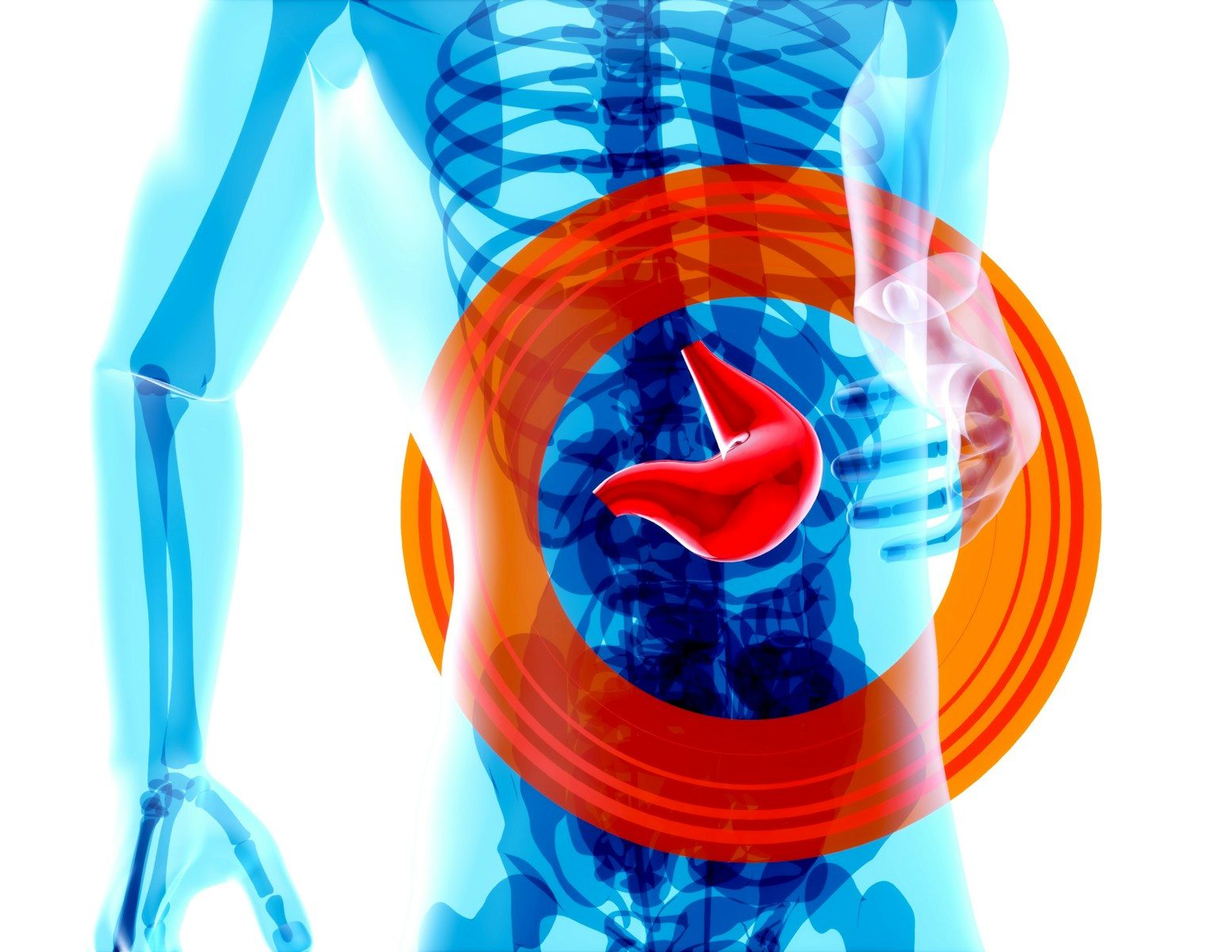
7. Reduced Abdominal Pain and Discomfort
The liver sits in the upper right quadrant of the abdomen, and inflammation from alcohol-related damage frequently causes a dull ache, pressure, or tenderness in that region. As inflammation resolves during healing, this discomfort decreases progressively. Persistent or worsening abdominal pain despite sobriety warrants immediate medical evaluation, as it may indicate advancing liver disease rather than recovery.
8. Stronger Immune Function
A chronically inflamed liver compromises the body’s immune regulation capacity, leading to more frequent infections, slower wound healing, and prolonged illness recovery times. As liver health improves, immune function gradually strengthens. Many people in recovery notice fewer colds, faster healing of minor injuries, and a general improvement in resilience against illness that becomes more apparent after several months of sustained abstinence.
9. Improved Appetite and Weight Stabilization
Heavy alcohol use disrupts appetite, impairs nutrient absorption, and causes both malnutrition-related weight loss and fluid-retention-related weight gain simultaneously. As the liver heals, appetite normalizes, nutrient absorption improves, and fluid retention decreases. The result is gradual weight stabilization toward a healthier baseline, along with improved tolerance for a wider variety of foods that may have previously caused discomfort.
Liver Healing Timeline: What to Expect Stage by Stage
- Within 24 hours: The liver reduces its immediate strain from processing alcohol and begins redirecting capacity toward toxin clearance and cellular repair.
- Days 1 to 3: Natural detoxification ramps up; sleep quality often improves as hormone processing stabilizes; nausea and digestive upset begin easing.
- Weeks 1 to 3: Fatty liver (steatosis) begins resolving significantly; energy levels improve; early enzyme normalization may be detectable in blood tests.
- By one month: For most people without cirrhosis, fatty liver and alcohol-induced inflammation are substantially resolved; enzyme levels approach normal range; skin and eye clarity visibly improve.
- Months 2 to 6: Deeper cellular regeneration continues; immune function strengthens; cognitive improvements solidify; digestive function normalizes fully.
- Six months to one year: For mild to moderate damage, near-complete structural recovery is achievable with sustained sobriety and supportive lifestyle choices; risk of liver-related complications drops substantially.
- Beyond one year (advanced damage): Cirrhosis-related scar tissue does not reverse, but abstinence prevents further deterioration and preserves remaining healthy liver tissue indefinitely.
Difference Between Mild, Moderate, and Severe Liver Damage Recovery
Recovery trajectory differs significantly based on the stage of liver disease at the time of sobriety.
- Fatty liver (steatosis): The most common and reversible stage; fat deposits clear within two to six weeks of stopping alcohol with minimal medical intervention required beyond lifestyle changes.
- Alcoholic hepatitis: Involves active inflammation and cell death; recovery takes several months of abstinence and may require medical management; outcomes are highly variable based on severity at presentation.
- Fibrosis (early scarring): Partially reversible with sustained sobriety; recent research shows that early-stage fibrosis can regress meaningfully over months to years when alcohol is eliminated completely.
- Cirrhosis (advanced scarring): Scar tissue itself is permanent and does not regenerate; however, abstinence halts progression, reduces complication risk, and supports the function of remaining healthy liver cells significantly.
Lifestyle Habits That Support Faster Liver Healing
Stopping alcohol is the most important step, but several additional habits meaningfully accelerate and support the liver’s natural regeneration process.
- Eat a nutrient-dense diet: Prioritize vegetables, lean proteins, whole grains, and healthy fats; nutrients like vitamin E, B vitamins, and zinc directly support hepatocyte repair and function.
- Stay well hydrated: Adequate water intake supports toxin flushing through the kidneys and maintains the blood volume needed for efficient liver circulation.
- Exercise regularly: Moderate physical activity reduces liver fat, improves insulin sensitivity, and lowers systemic inflammation; walking, cycling, and swimming are all beneficial even during early recovery.
- Limit processed foods and added sugars: High fructose and processed fat intake stresses the liver through non-alcoholic mechanisms; reducing these foods protects healing liver tissue.
- Avoid other hepatotoxic substances: Certain medications including high-dose acetaminophen, some herbal supplements, and recreational drugs place additional burden on a healing liver.
- Schedule regular liver function blood tests: Monitoring AST, ALT, GGT, and bilirubin levels over time provides objective confirmation that healing is progressing and flags any unexpected deterioration early.
When to Seek Medical Attention During Recovery
Not all symptoms during liver recovery are signs of healing. Some require prompt medical evaluation to rule out complications or advancing disease.
- Sudden or worsening jaundice (yellowing of skin or eyes) after initial improvement
- Severe or increasing abdominal pain, particularly in the upper right abdomen
- Noticeable abdominal swelling (ascites) that does not improve with sobriety
- Confusion, extreme disorientation, or unusual personality changes (possible hepatic encephalopathy)
- Vomiting blood or passing very dark tarry stools, which may indicate internal bleeding
- Persistent extreme fatigue that does not improve after several weeks of sobriety
Consistent follow-up with a physician or hepatologist throughout recovery ensures that any complications are caught early and that your healing progress receives the clinical support it deserves. Sobriety is always the foundation, but professional medical guidance maximizes the benefit of every biological advantage the liver’s remarkable regenerative capacity offers.