
The Taper Fade: A Complete Guide to the Modern Classic
Key Takeaways: A taper fade is a versatile haircut that gradually blends the hair length from the top down to the skin around the neckline and sideburns. Unlike a traditional fade that goes high up the sides, a taper provides a more conservative yet sharp finish that suits almost any hair type or professional setting.
The taper fade has cemented its status as one of the most requested haircuts in barbershops worldwide because it perfectly balances edge with elegance. If you are looking for a way to sharpen your look without committing to the aggressive contrast of a high bald fade, this style is likely your best bet. It offers a gradient effect that is subtle enough for the office but crisp enough for a night out.
What Exactly is a Taper Fade?
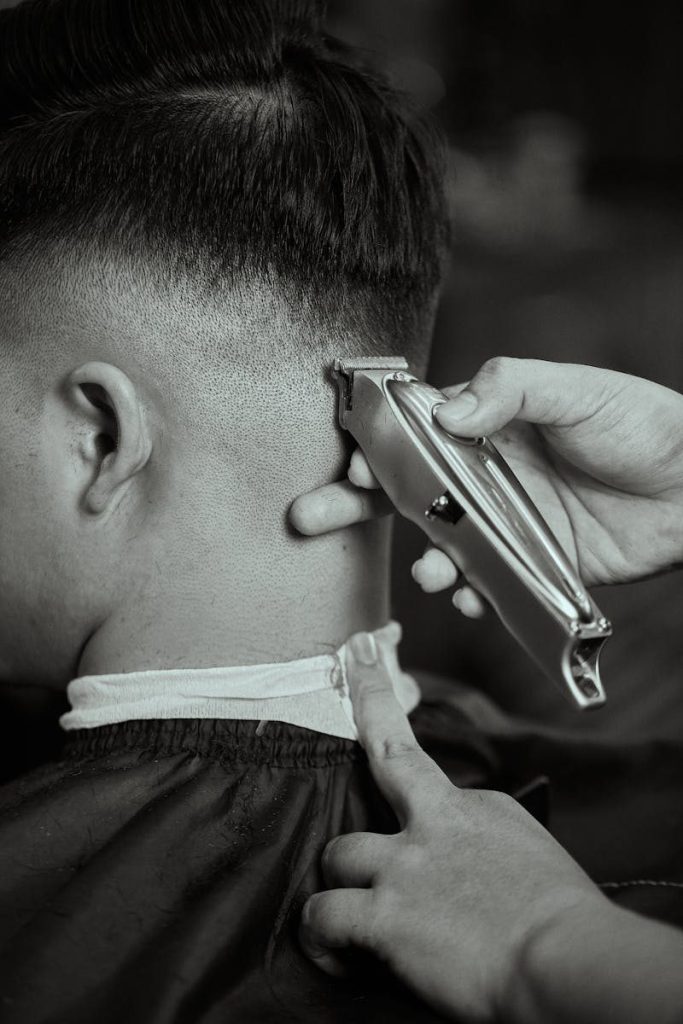
To understand this cut, you have to look at the two components of its name. A “taper” refers to the gradual change in hair length, usually from long at the top to short at the bottom. A “fade” specifically implies that the hair eventually “fades” into the skin. When you combine them, you get a precision cut that focuses the shortest lengths on the two most visible transition points: the sideburns and the nape of the neck.
While many people use the terms interchangeably, a standard taper leaves more hair on the sides and back. The fade element brings that length down to the skin at the very edges, giving it that “just stepped out of the chair” freshness.
Why This Haircut Works for Everyone
One of the biggest reasons for the surge in popularity of this style is its adaptability. Whether you have pin-straight hair, thick curls, or a coarse texture, a skilled barber can map the gradient to match your head shape. It acts as a frame for your face, often making the jawline appear more defined and the overall silhouette of the head more symmetrical.
Furthermore, it is a low-maintenance way to keep a haircut looking “expensive.” Even as the hair grows back in, the natural transition of a taper tends to look cleaner for longer than a blunt cut or a uniform buzz cut.
Popular Variations of the Style
Not all fades are created equal. Depending on your personal style and how much skin you want to show, you can customize the height and depth of the blend.
1. The Low Taper Fade
This is the most subtle version. The “fading” happens very low, usually just around the ear and at the very bottom of the neckline. It is an excellent choice for men who want a professional look or those who are trying out a faded style for the first time.
2. The Mid Taper Fade
Sitting right in the middle, this version starts the transition a bit higher, usually an inch or two above the ears. It provides a more noticeable contrast and is often paired with a voluminous top, like a pompadour or a textured crop.
3. The High Taper Fade
This is for the bold. The fade starts higher up near the temples, creating a very sharp, athletic silhouette. It draws a lot of attention to the hair on top, making it a favorite for those with curls or a “man bun” style.
Quick Comparison: Taper vs. Traditional Fade
| Feature | Taper Fade | Traditional Fade |
| Placement | Sideburns and Nape | Entire sides and back |
| Contrast | Subtle to Moderate | High to Extreme |
| Professionalism | Highly versatile/Conservative | Bold/Modern |
| Maintenance | Low to Medium | High (requires frequent touch-ups) |
How to Ask Your Barber for the Perfect Cut
Communication is the most common hurdle between a client and a great haircut. Instead of just saying the name of the cut, try to be specific about the following:
- Specify the length on top: Tell them exactly how many inches you want to keep or use a reference point (e.g., “long enough to slick back”).
- Choose your fade height: Decide if you want a low, mid, or high transition.
- Define the neckline: Do you want a “blocked” look, a “rounded” look, or a “tapered” finish that blends into the skin?
- Show a photo: According to the experts at Men’s Health, a visual aid is the best way to ensure you and your barber are on the same page regarding the level of skin exposure.
Practical Examples and Common Mistakes
To get the most out of your visit, keep these real-world scenarios in mind.
- The Office Professional: Pair a low taper with a side part. This looks clean and intentional without looking like you spent three hours in a grooming chair.
- The Athlete: A high taper with a short buzz on top is functional, stays out of your eyes, and looks sharp with zero styling effort.
- The Texture Specialist: If you have curly hair, keep the top long and let the taper clean up the edges. This prevents the “mushroom” shape that often occurs when curls grow out.
Common Mistakes to Avoid:
- Ignoring Face Shape: If you have a very round face, a high taper can help elongate your head. If your face is already long, a low taper is usually more flattering.
- Going Too High Too Fast: If you aren’t sure, start with a low taper. You can always go higher, but you can’t put hair back once it’s buzzed to the skin.
- Neglecting the Top: A great fade can’t save a messy, unshaped top. Ensure your barber balances the proportions.
Step-by-Step: Maintaining Your Look at Home
While you can’t easily replicate a professional blend yourself, you can extend the life of your cut with a few simple steps.
- Keep it clean: Use a high-quality shampoo to prevent buildup, which can make the faded sections look dull.
- Detail the edges: If you are brave, use a small trimmer to clean up stray hairs on your neck between appointments.
- Use the right product: For a natural look, use a matte clay or paste. For a vintage look with a taper, a water-based pomade provides the shine you need.
- Stay hydrated: Healthy hair starts with a healthy scalp. GQ Magazine notes that scalp health is often overlooked but is essential for maintaining the sharp lines of a fresh fade.
The Pros and Cons of a Tapered Finish
Pros:
- Versatility: Works with almost every hairstyle, from long man-braids to short crew cuts.
- Professionalism: It is widely accepted in formal corporate environments.
- Longevity: Grows out more gracefully than a skin fade that covers the whole head.
Cons:
- Precision: Requires a skilled barber; a bad taper is very easy to spot.
- Subtlety: Might be “too boring” for someone looking for an extreme transformation.
Frequently Asked Questions
How long does a taper fade last?
Generally, you will want to head back to the shop every 2 to 3 weeks to keep the lines crisp. Because the hair is cut so short at the edges, even a small amount of growth becomes noticeable quickly.
Is it the same as a skin fade?
Not exactly. A skin fade usually refers to a cut where the entire side of the head is taken down to the skin. A taper fade focuses that skin-level blending specifically on the sideburns and the neckline.
Can I do this at home?
It is difficult. Achieving a smooth gradient requires multiple guard lengths and a technique called “flicking” with the clippers. It is usually best left to a professional to avoid “steps” or uneven lines in the hair.
Does it work with a beard?
Yes, and it actually looks incredible. A barber can “taper” your sideburns so that the hair on your head fades out and your beard fades back in, creating a seamless and very modern connection.
What hair type is best for this?
Every hair type works. However, it is particularly popular among those with thick or curly hair because it removes bulk from the sides while allowing the natural texture on top to shine.
Finding the Right Barber for the Job
Not every stylist is a master of the fade. When looking for someone to execute a high-quality taper, check their portfolio for “blending.” You are looking for a smooth transition without visible lines where one clipper guard ended and another began.
A great haircut is an investment in your confidence. The beauty of this specific style lies in its ability to be whatever you need it to be: a subtle touch-up or a bold statement. By understanding the terminology and knowing what to ask for, you can ensure that your next trip to the barber results in a look that is perfectly tailored to you.