
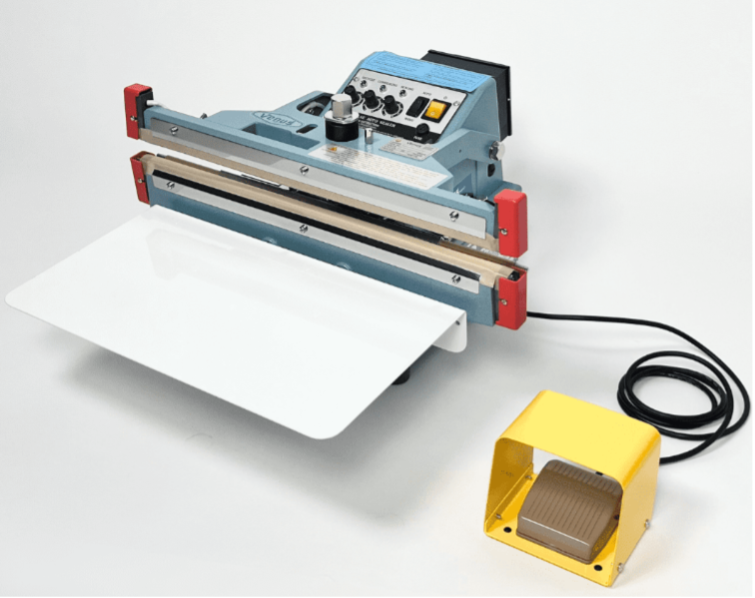
Choosing the Right Heat Sealers for Your Packaging Needs
In today’s competitive packaging industry, selecting the right equipment is crucial for ensuring product quality and efficiency. Businesses across Australia rely on high-performance heat sealers to securely seal products, maintain freshness, and protect goods during storage and transportation. Whether you are in food production, retail, manufacturing, or logistics, investing in the right heat sealing solution can significantly improve your operations.
What Are Heat Sealers and How Do They Work?
Heat sealers are machines designed to seal thermoplastic materials using heat and pressure. They work by melting the edges of plastic or film packaging and pressing them together to create a secure, airtight seal. This process helps protect products from moisture, contamination, and external damage.
There are several types of heat sealers available, each suited for different applications. These include impulse heat sealers, constant heat sealers, band sealers, and automatic sealing machines. The choice depends on factors such as material type, production volume, and desired sealing strength.
Different Types of Heat Sealers Explained
Understanding the different types of heat sealers is essential when choosing the right equipment for your business:
- Impulse Heat Sealers: These machines heat only when activated, making them energy-efficient and ideal for sealing thin materials like polyethylene and polypropylene.
- Constant Heat Sealers: Designed for thicker materials, these machines maintain a continuous temperature and are suitable for multi-layer packaging such as foil or coated paper.
- Band Sealers: Ideal for high-volume production, these machines provide continuous sealing for large quantities of products.
- Handheld Sealers: Compact and portable, these are perfect for small-scale or on-the-go sealing tasks.
Each type serves a specific purpose, and selecting the right one ensures optimal performance and efficiency.
Why Heat Sealers Are Essential for Businesses
Heat sealers play a critical role in modern packaging processes. They ensure that products remain protected from environmental factors such as air, moisture, and contaminants. This is particularly important for industries like food packaging, where product freshness and hygiene are top priorities.
In addition to preserving product quality, heat sealers improve operational efficiency. By automating the sealing process, businesses can reduce manual labour, increase productivity, and maintain consistent packaging standards. This leads to better customer satisfaction and reduced waste.
Applications Across Various Industries
Heat sealers are used across a wide range of industries, including:
- Food and beverage: Sealing packaging to maintain freshness and extend shelf life
- Retail: Packaging products securely for display and sale
- Medical and pharmaceutical: Ensuring sterile packaging for sensitive products
- Industrial and logistics: Protecting goods during storage and transportation
Their versatility makes heat sealers an essential tool for businesses of all sizes.
Factors to Consider When Choosing Heat Sealers
Selecting the right heat sealer requires careful consideration of several factors:
- Material Type: Different materials require different sealing temperatures and methods
- Production Volume: High-volume operations may require automated or band sealers
- Seal Strength: Some applications require stronger seals for added durability
- Ease of Use: User-friendly machines improve efficiency and reduce training time
- Maintenance Requirements: Regular maintenance ensures consistent performance
By evaluating these factors, businesses can choose a heat sealer that meets their specific needs.
Benefits of Investing in High-Quality Equipment
Investing in high-quality heat sealers offers several long-term benefits. Reliable machines provide consistent sealing results, reducing the risk of product damage or contamination. They also require less maintenance and have a longer lifespan, making them a cost-effective solution.
Additionally, modern heat sealers are designed with safety features and energy efficiency in mind. This not only protects operators but also reduces operational costs over time.
Maintaining Your Heat Sealer for Optimal Performance
Proper maintenance is essential for ensuring the longevity and performance of your heat sealer. Regular cleaning of sealing bars, checking heating elements, and replacing worn components can prevent issues and maintain consistent sealing quality.
Routine servicing also helps identify potential problems early, reducing downtime and costly repairs.
Conclusion
Choosing the right heat sealer is a critical decision for any business involved in packaging. With a wide range of options available, understanding your specific requirements is key to making the right choice. By investing in high-quality equipment and maintaining it properly, businesses can ensure efficient operations, improved product quality, and long-term success.