
How GPS Trackers Work in 2026: A Simple Guide for Everyday Users
GPS trackers used to feel like spy-movie gear. Today they fit on a keychain, slip into a backpack, or plug into your car in seconds. If you have ever searched for your keys at 7 a.m. or wondered whether your teenager made it to practice, a tracker is one of those small gadgets that quietly removes a daily worry.
But the technology behind them confuses a lot of people. Here is how it all works, minus the jargon.
What a GPS tracker actually does
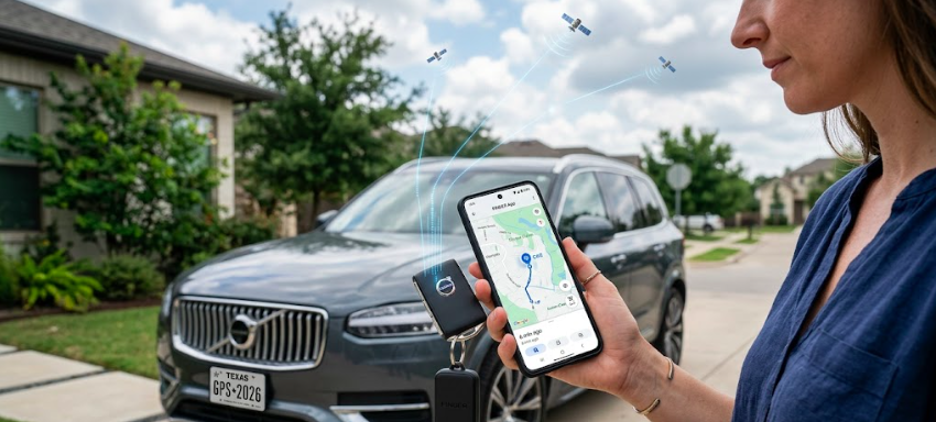
A GPS tracker uses the same satellite network your phone’s map app relies on. There are dozens of satellites circling the planet, constantly broadcasting their position and the time. Your tracker listens to several of them at once, measures how long each signal took to arrive, and uses that math to figure out exactly where it is on Earth.
That location is usually accurate to within a few meters. The tracker then sends that information to you, which brings us to the part people often miss.
GPS finds the location. Something else sends it to you
A common myth is that “GPS” handles the whole job. It does not. GPS tells the device where it is. To get that location onto your phone, the tracker needs a second technology to transmit it.
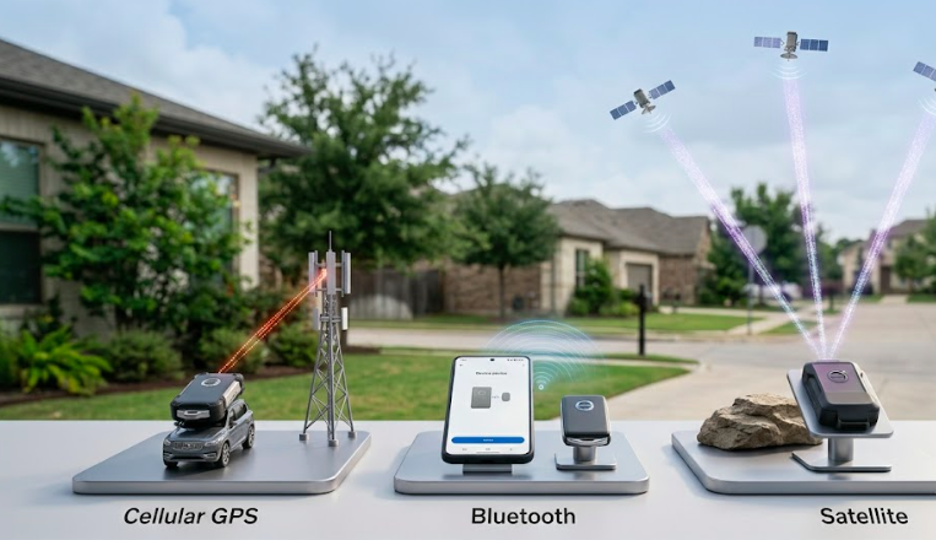
There are three common ways this happens:
- Cellular (SIM-based) trackers send location over the same mobile networks your phone uses. These work almost anywhere with cell coverage and update in near real time. Most car and personal trackers use this method, and they usually require a small monthly plan.
- Bluetooth trackers like the small tags you attach to keys or wallets do not actually use GPS. They talk to nearby phones over Bluetooth. They are cheap and battery-friendly, but only useful at short range or in crowded areas where someone else’s phone can ping them.
- Satellite trackers skip cell networks entirely and beam location straight back through satellites. They are the choice for hikers, boaters, and anyone heading far off the grid, though they cost more.
The features that actually matter
Specs can get overwhelming, so focus on these:
Battery life. This ranges from a day to several months depending on how often the device reports its position. A car tracker hardwired into the vehicle never needs charging. A keychain tag might last a year on a coin battery. A real-time personal tracker may need a weekly charge.
Update frequency. Some trackers report every few seconds, others every few minutes. Faster updates drain the battery quicker, so think about whether you need live movement or just an occasional check-in.
Geofencing. This is the feature most people end up loving. You draw a virtual boundary on a map, and the tracker alerts you when the device enters or leaves it. Parents use it for “arrived at school” notifications. Drivers use it to know when a vehicle leaves a job site.
No-monthly-fee vs. subscription. Bluetooth tags and some satellite messengers have no recurring cost. Real-time cellular trackers almost always need a subscription, because someone has to pay for the data plan moving your location around. Cheaper is not always better here, so match the cost to how you will use it.
Common everyday uses
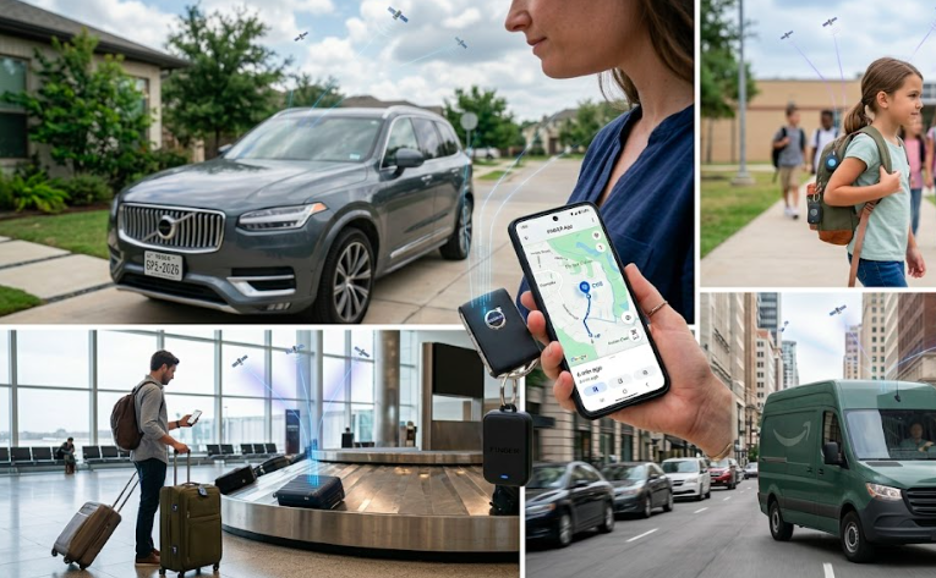
People reach for GPS trackers for surprisingly ordinary reasons:
- Keeping tabs on a car that gets shared between family members
- Giving an older parent a discreet way to call for help and be located
- Knowing a child made it to a friend’s house safely
- Finding a bag that took a different flight than you did
- Tracking a delivery van or work trailer
The thread running through all of these is the same: peace of mind. Most people are not trying to surveil anyone. They just want to stop guessing.
A quick word on using them responsibly
Trackers are tools, and like any tool, how you use them matters. The healthy version is openness. Tell your teen the car has a tracker and why. Let an aging parent know the device is there to help, not to spy. Used that way, a tracker becomes a shared safety net rather than a secret.
Choosing your first tracker
If you are buying your first one, start with the question “what am I trying to find, and how far away might it be?”
- Lost keys around the house? A Bluetooth tag is plenty.
- A car or a person who moves around town? A real-time cellular tracker.
- Gear heading into the wilderness? A satellite device.
Match the technology to the distance, check the battery life against how often you will use it, and decide whether you are willing to pay a monthly fee for live updates. Get those three things right and the rest is easy.
GPS trackers are no longer complicated or expensive. They are just a small, practical way to take one more thing off your worry list.