Best Books for Beginners Reading: A Simple Guide to Start Your Reading Habit
Staring at a bookstore shelf can feel scary. So many covers. So many “must-read classics” that sound like homework. If you’re new to reading, or coming back to it after years away, you don’t need a 700-page novel with tiny text and ten characters to remember. You need a book that pulls you in fast and doesn’t let go.
This guide gives you exactly that. Below, you’ll find the best books for beginners reading fiction, nonfiction, and everything in between. You’ll also learn how to pick a book that fits your interests, how to build a reading habit that actually sticks, and which mistakes stop most beginners before they finish chapter one.
No fluff. No 50-book lists that overwhelm you. Just books that work, and a plan to help you enjoy them.
Read more:https://providr.com/moving-home-without-losing-your-mind/
What Makes a Book Good for Beginners?
A good beginner book has four things: short length, simple language, a fast-moving plot, and characters you care about right away.
That’s it. It doesn’t need to be “easy” in a childish way. It just needs to respect your time and keep you turning pages. Books under 300 pages with short chapters work best, because they give you quick wins. Finishing a chapter in ten minutes feels good, and that feeling is what keeps you coming back.
How to Choose the Right Book When You’re Starting Out
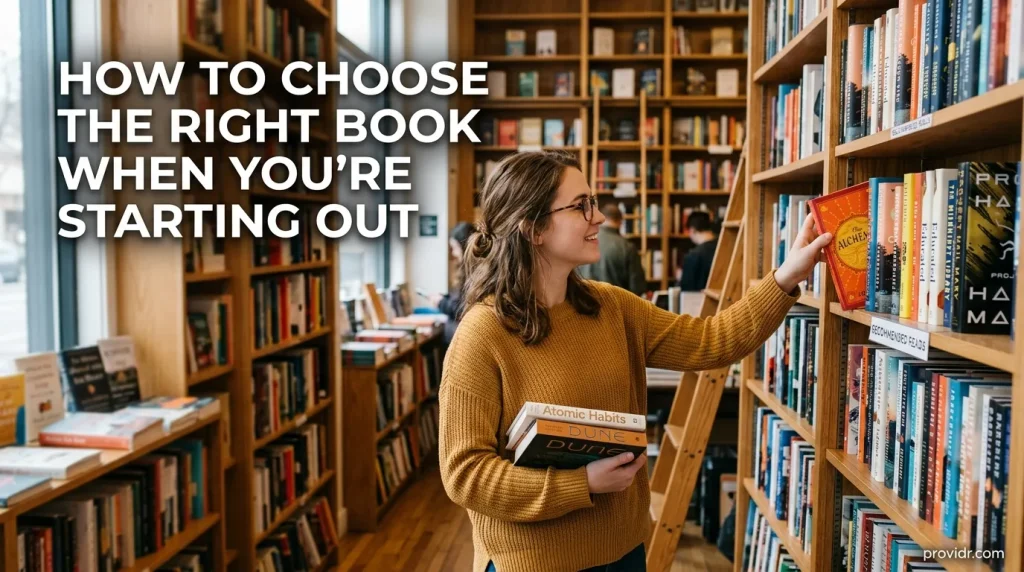
Picking your first book matters more than people admit. The wrong choice can make you think “reading just isn’t for me.” Here’s how to avoid that.
- Pick a topic you already like. If you love true crime shows, start with true crime nonfiction. If you like movies about space, try science fiction.
- Check the chapter length. Short chapters (5–15 pages) make books feel less intimidating and easier to finish in one sitting.
- Read the first page before you commit. If the first page grabs you, the rest of the book probably will too.
- Avoid books with too many characters early on. Sprawling casts are fun once you’re a confident reader, but they can confuse beginners.
- Choose format based on your lifestyle. Audiobooks count as reading. So do e-books. Pick whatever fits your day.
Quick tip: If you finish the first 20 pages and you’re still bored, put the book down. There’s no rule that says you have to finish every book you start. Life’s too short, and so is your reading time.
Best Fiction Books for Beginner Readers
Fiction is usually the easiest place to start, because a good story does the work for you. Here are picks that balance simple writing with real emotional pull.
1. The Alchemist by Paulo Coelho
This short novel follows a young shepherd chasing a dream across the desert. The sentences are simple, the chapters are short, and the message about following your goals sticks with readers long after they finish.
- Best for: Readers who want a quick, meaningful story
- Strengths: Easy language, deep themes, under 200 pages
- Limitation: Some readers find the plot slow in the middle section
2. The Old Man and the Sea by Ernest Hemingway
Hemingway is famous for short, direct sentences, which makes this one of the most beginner-friendly classics out there. It tells the story of an old fisherman’s battle with a giant marlin.
- Best for: Readers who want to try a “classic” without a huge time commitment
- Strengths: Very short, simple vocabulary, strong emotional payoff
- Limitation: The pacing is quiet, so it may not suit readers who want fast action
3. The Giver by Lois Lowry
Originally written for young readers, this dystopian story works well for adult beginners too. The world-building is simple to follow, and the plot moves quickly from chapter to chapter.
- Best for: Fans of dystopian or sci-fi themes
- Strengths: Short chapters, clear plot, thought-provoking ending
- Limitation: The ending is open to interpretation, which frustrates some readers
4. Of Mice and Men by John Steinbeck
Another short classic, this one follows two migrant workers during the Great Depression. It’s often assigned in schools for a reason: it’s short, powerful, and easy to follow.
- Best for: Readers who want an emotional story that can be finished in a day or two
- Strengths: Simple language, strong character development, short length
- Limitation: The ending is heavy, so it’s not the lightest read
Read more: https://providr.com/the-state-of-test-automation-and-where-it-goes-from-here/
5. The Hunger Games by Suzanne Collins
If you want fast-paced, can’t-put-it-down fiction, this is a great entry point. Short chapters and constant tension make it easy to keep reading “just one more chapter.”
- Best for: Readers who want excitement and a page-turner feel
- Strengths: Simple sentence structure, gripping plot, first-person narration that’s easy to follow
- Limitation: Contains violence, so it may not suit every reader
6. The Martian by Andy Weir
Told mostly through log entries, this survival story about an astronaut stranded on Mars reads more like a diary than a dense novel. The humor keeps things light even during tense moments.
- Best for: Readers who enjoy science fiction with humor
- Strengths: Conversational tone, short entries, funny narrator voice
- Limitation: A few technical explanations may slow down readers who dislike science details
Best Nonfiction Books for Beginner Readers
Nonfiction can be just as approachable as fiction, especially when it’s written in a conversational style instead of academic language.
1. Atomic Habits by James Clear
This book explains how small daily habits build (or break) your life, using clear examples and simple language throughout. Each chapter ends with a short summary, which makes it easy to follow even if you only read a few pages a day.
- Best for: Readers who want practical, real-world advice
- Strengths: Clear structure, short chapters, actionable takeaways
- Limitation: Some ideas repeat across chapters for emphasis
2. The Subtle Art of Not Giving a F*ck by Mark Manson
Written in a blunt, funny, conversational voice, this book feels more like a friend talking to you than a self-help lecture. It’s a great pick for readers who find typical self-help books too formal.
- Best for: Readers who want humor mixed with life advice
- Strengths: Casual tone, short sections, relatable stories
- Limitation: The language is direct and occasionally crude, which isn’t for everyone
3. Educated by Tara Westover
This memoir tells the true story of a woman raised without formal schooling who eventually earns a PhD. It reads like a novel, with a clear timeline and a gripping personal story.
- Best for: Readers who enjoy true stories with emotional depth
- Strengths: Simple, clear writing despite the heavy subject matter
- Limitation: Longer than most beginner picks, around 350 pages
Best Short Story Collections for Building the Habit
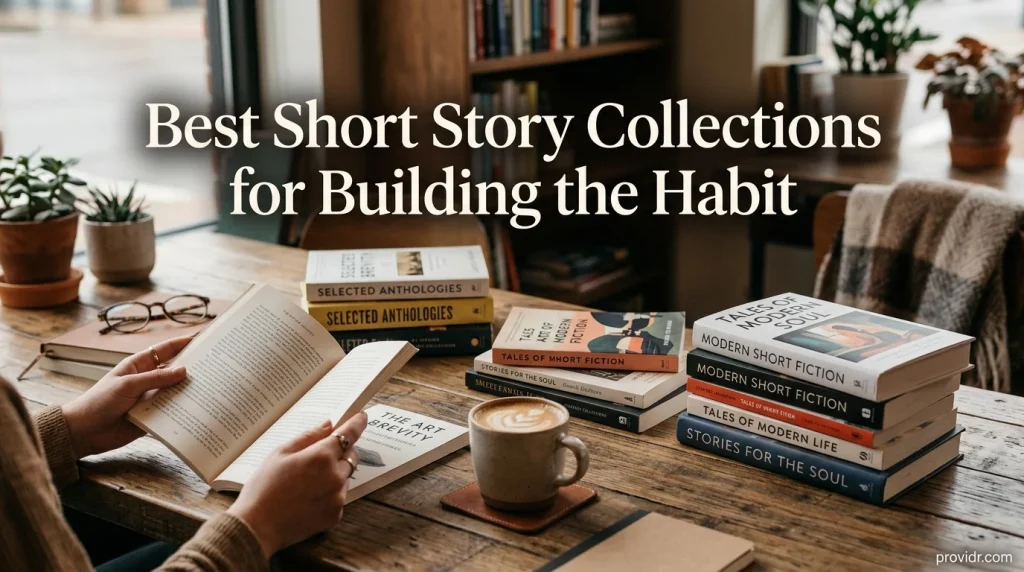
Short stories are one of the most underrated tools for new readers. Each story usually takes 15 to 30 minutes to finish, which gives you a complete experience without a long commitment.
- “There Will Come Soft Rains” and other Ray Bradbury stories — short, imaginative, and easy to read in one sitting
- Interpreter of Maladies by Jhumpa Lahiri — simple, emotional stories about identity and family life
- The Overcoat and other short works by Anton Chekhov — brief classic stories that introduce literary fiction without the length
Short stories work especially well if you struggle to find long blocks of time to read. You can finish a whole story on a lunch break or a short commute.