Instagram Login: Fast, Secure Access and Account Recovery
In summary: The standard instagram login process requires visiting instagram.com or opening the mobile app, entering your registered username, phone number, or email address, followed by your password. For secure access, multi-factor authentication codes can be routed through an authenticator app or SMS. If login issues occur, reset your credentials using the official Instagram Help Center password recovery portal.
If you are struggling to access your account or simply want to optimize your security setup, you are in the right place. Navigating account authentication on social media platforms can feel straightforward until a verification loop, a forgotten password, or an unexpected security checkpoint blocks your access.
Below, I share the essential technical insights, step-by-step account recovery frameworks, and advanced security protocols covered in this guide to help you maintain seamless access to your profile:
- Step-by-step instructions for logging in across mobile apps, desktop browsers, and Meta Accounts Center.
- Direct solutions for fixing common login glitches, loop errors, and two-factor authentication failures.
- Account recovery workflows for compromised, disabled, or hacked profiles.
- Security configurations that prevent unauthorized credential access.
How to Complete an Instagram Login on Any Device
Logging in requires passing through Meta’s central authentication servers. Depending on your primary workspace or device preference, you can choose between mobile, web browser, or linked account setups.
1. Mobile App Authentication (iOS and Android)
The primary entry point for mobile devices relies on native API calls.
- Launch the Instagram application on your iOS or Android device.
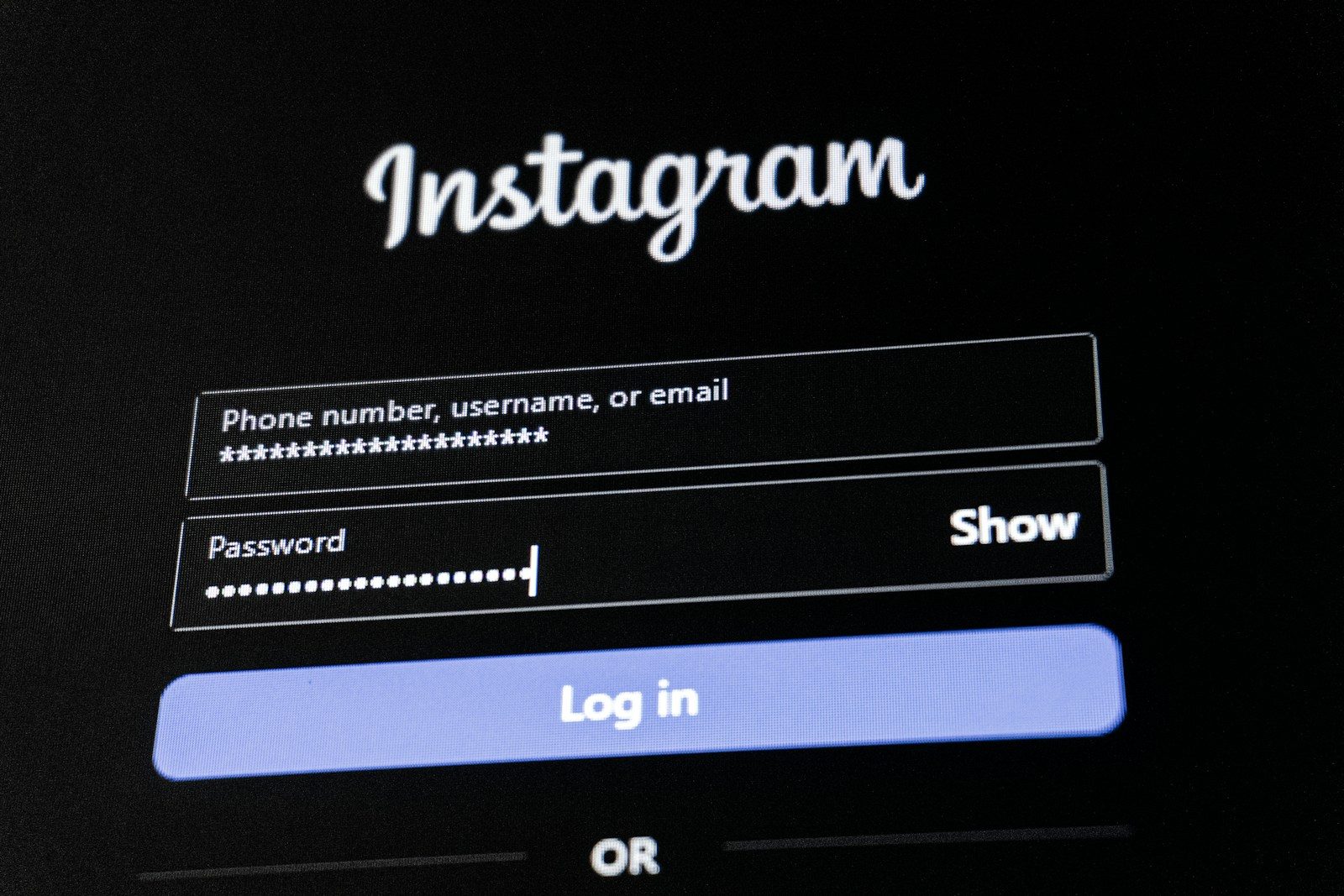
- Enter your unique username, primary email address, or verified phone number into the top input field.
- Type your password carefully in the second field.
- Tap Log In.
- If prompted, input the six-digit two-factor authentication (2FA) security code generated by your authenticator app or sent via SMS.
2. Desktop Web Browser Setup
Accessing the platform via desktop is optimal for media management and bulk publishing tasks.
- Open a web browser (Chrome, Firefox, Safari, or Edge) and navigate to instagram.com.
- Enter your credential identifier (username, email address, or phone number).
- Type your password.
- Click Log In.
- Approve the login prompt if single sign-on (SSO) or browser caching is configured across your workstation.
3. Account Access via Facebook or Meta Accounts Center
If you have linked your profiles inside the unified Meta system, login times drop significantly.
- Open the login portal on web or mobile.
- Click or tap Log in with Facebook.
- Grant token permission through your active Facebook session to bypass standard password prompts.
Technical Comparison of Authentication Methods
Choosing the right authentication protocol directly affects how quickly and securely you can log into your dashboard.
| Authentication Method | Security Rating | Execution Speed | Primary Use Case | Risk Factor |
| Standard Password | Moderate | High | Everyday login | Vulnerable to credential stuffing |
| SMS Two-Factor (2FA) | Strong | Medium | Mobile authentication | Risk of SIM swapping attacks |
| Authenticator App (TOTP) | Very High | Fast | High-security environments | Lost device without backup codes |
| Security Keys (FIDO2) | Highest | Instant | Executive and enterprise accounts | Physical hardware required |
| Facebook SSO | Moderate | Fast | Multi-platform management | Single point of failure |
Essential Steps to Recover Your Account When Credentials Fail
When standard entry fails, following a structured sequence helps you regain control without risking automated security flags.
- Verify network stability: Toggle Wi-Fi or mobile data to clear dynamic IP blocks that trigger temporary security bans.
- Execute a password reset: Click Forgot password? on the main screen, enter your email or username, and trigger a secure reset link.
- Check device session cache: Clear app cache or browser cookies to purge expired authentication tokens.
- Use login code generation: Request a temporary access code delivered directly to your verified phone number.
- Submit a identity verification selfie: For hacked accounts, launch the identity verification workflow inside the mobile app to record a short video selfie for automated face match analysis.
Troubleshooting Common Login Errors and Access Failures
Account lockouts happen for various technical reasons. Here are the most frequent friction points along with immediate fixes.
Incorrect Password Errors and Token Mismatches
A sudden password rejection often stems from stored password autofill conflicts or active VPN connections changing your location footprint.
- Fix: Disable active VPN proxies, re-type your credentials manually to avoid clipboard spaces, or trigger the standard email password reset flow.
Two-Factor Authentication Loop
Losing access to your primary device or phone number can lock you out of the 2FA verification code field.
- Fix: Input one of your saved 8-digit backup codes created during initial setup. If backup codes are unavailable, select Try another way to submit an identity verification request.
Disabled or Suspended Account Notifications
If a notification states your account has been disabled for terms violation, standard login pathways are suspended.
- Fix: Submit an appeal directly through the official form available on the Instagram Help Center. Avoid third-party recovery services claiming they can manually bypass Meta’s server checks for a fee.
Security Best Practices for Safeguarding Your Profile
With over 3 billion monthly active users traversing the platform globally—as highlighted in platform demographic analysis published by DataReportal —maintaining tight account security is paramount. Account compromise frequently occurs through phishing pages engineered to copy legitimate login portals.
High-Impact Security Configurations
To lock down your credentials, implement these fundamental security rules immediately:
- Enable TOTP Authenticator Apps: Shift away from SMS-based verification and connect apps like Google Authenticator or 1Password.
- Inspect Active Login Activity: Periodically navigate to Settings > Security > Login Activity to terminate unauthorized sessions.
- Revoke Unused Third-Party Permissions: Remove legacy web applications connected to your profile via Meta Accounts Center.
- Store Backup Codes Offline: Print or store your offline backup keys inside a secure physical location or encrypted vault.
Pros and Cons of Single Sign-On (SSO) Logins
Using your Facebook credentials to log in offers convenience, but it comes with distinct structural trade-offs.
Pros
- Eliminates the need to memorize multiple account passwords.
- Speeds up cross-platform publishing workflows across Meta networks.
- Simplifies authentication when toggling between desktop and mobile devices.
Cons
- Creates a single point of failure: compromising one account exposes both.
- Forces shared data policies across connected brand assets.
- Can create authorization loops if the master Facebook profile encounters a security check.
Real-World Examples and Pitfalls to Avoid
Managing multiple accounts daily reveals recurring operational mistakes that lead to access lockouts.
Example 1: The Multi-Manager Access Trap
A client agency assigned five social media managers to log into a brand profile using the exact same username and password from different physical cities simultaneously. Meta’s security engine flagged the sudden geographical shifts as a botnet attack and locked the account.
- Better Approach: Set up Meta Business Suite to grant delegated user roles instead of sharing raw credentials across multiple locations.
Example 2: Falling for Fake Login Warnings
An account manager received an urgent email stating their account faced immediate deletion unless they logged in through a provided link. The landing page duplicated the real interface, capturing the manager’s password and 2FA bypass code.
- Better Approach: Never click login links embedded in external emails. Always navigate directly to instagram.com or use the official mobile application.
Instagram Login FAQ
How do I log into my account if I forgot my password and email access?
If you lose access to both your password and your registered email address, select Forgot password? on the app login screen, enter your phone number, and request an SMS login link. If you didn’t register a phone number, tap Need more help? to initiate the identity recovery process.
Can I log into two different profiles on the same device?
Yes, the native app supports multi-account management. Go to your profile tab, tap your username at the top left, select Add Account, and log in. You can toggle between up to five active accounts without logging out.
Why is my account asking for a login code from an unknown device?
This prompt indicates that someone holding your correct username and password attempted to log into your account from an unrecognized location. Change your password immediately and review active sessions under your security settings.
What should I do if my login page keeps refreshing or looping?
Clear your browser’s cookies and site data, disable aggressive ad-blocker browser extensions, or attempt entry using an incognito window. On mobile, force-close the app and clear its local app storage cache.
Is it safe to stay logged in on a desktop web browser?
Staying logged in on a private, password-protected computer is generally safe. However, avoid selecting Save Login Info on shared or public computers, and always execute a manual log out when your session finishes.