Getting the Most Out of Multi-Channel Marketing Automation
In today’s digital landscape, engaging customers effectively across various channels is critical for any marketing strategy. Multi-channel marketing automation has become a valuable asset for businesses aiming to reach audiences where they are most active. By automating tasks and streamlining marketing efforts, companies can enhance efficiency and personalize interactions. Understanding and leveraging this technology properly can substantially impact a brand’s success and market presence. Below, we delve into the essentials of multi-channel marketing automation and how it can benefit your business.
Understanding Multi-Channel Marketing Automation and Its Scope

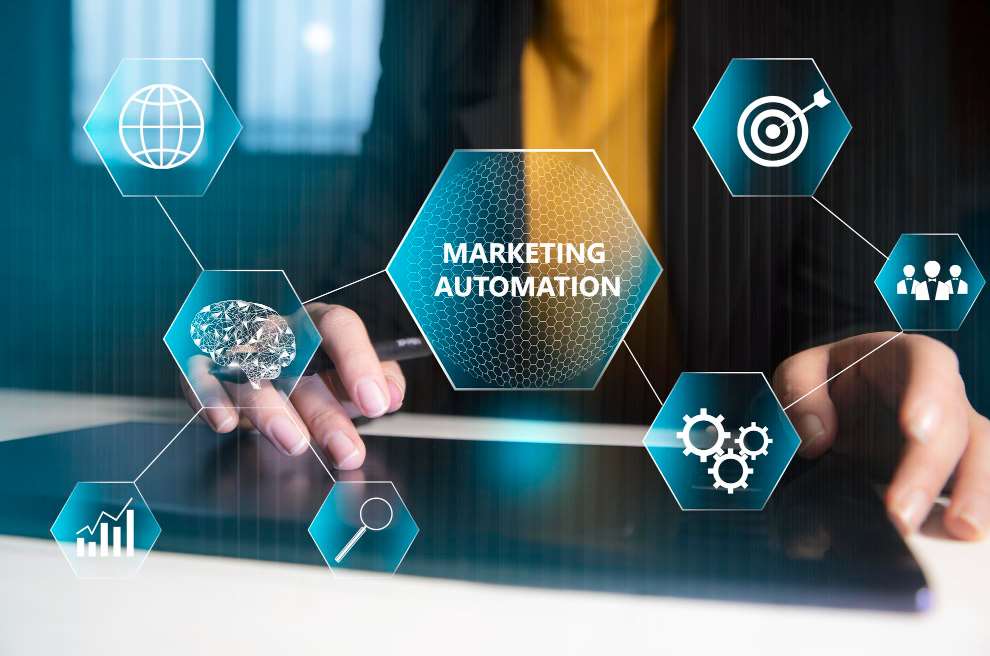
Multi-channel marketing automation, like the solution offered by Adestra, helps businesses streamline their marketing efforts across platforms such as social media, email, and web advertising. Instead of juggling campaigns manually, this software automates tasks like audience segmentation, personalized messaging, and triggered actions to engage customers more effectively at every stage.
Using multi-channel marketing automation ensures companies never miss a chance to connect or convert by delivering the right message at the right time. Choosing the right tool is key—one that balances useful features with ease of use and can grow alongside the business, making marketing workflows more efficient and impactful.
Implementing Automation for Optimized Customer Journeys
Effective multi-channel marketing relies on timely, tailored messaging across platforms. Marketing automation helps businesses craft personalized customer journeys using real-time data, guiding leads through the sales funnel with minimal manual effort. For example, a journey might start with a social media ad, trigger an automated email upon click-through, and continue with follow-up messages based on user behavior.
Automation ensures consistency and responsiveness across channels, creating a seamless brand experience. To optimize these journeys, businesses must deeply understand their target audience—their habits, preferences, and preferred platforms. Automation tools assist in capturing and analyzing this data to refine strategies and boost engagement.
Leveraging Data and Analytics in Multi-Channel Marketing Strategies
Data plays a vital role in driving effective marketing strategies, and automation enhances its collection and use. With automation tools, marketers can monitor campaign performance across multiple channels, identifying which approaches resonate most with their audience. Analytics offer insights into engagement, click-through, and conversion rates, enabling teams to refine content and optimize timing.
Predictive analytics, powered by AI, allows marketers to anticipate customer behaviors and tailor future campaigns accordingly. These insights support evidence-based decision-making, leading to more precise targeting and improved customer interactions. By leveraging automation and analytics, marketers can allocate resources efficiently and improve the overall impact of their campaigns.
Integrating Platforms for a Unified Marketing Message

One major challenge in multi-channel marketing is maintaining consistent messaging across platforms. Integration plays a critical role in unifying brand voice and delivering a seamless customer experience. Marketing automation platforms support this by enabling data and workflows to move smoothly across channels, preventing disjointed communication.
They also sync with CRM systems, ecommerce platforms, and other business tools, allowing marketers to collect richer data, create better audience segments, and implement more effective strategies. By eliminating silos, an integrated approach fosters collaboration across teams and channels. Each platform reinforces the others, creating a cohesive network that strengthens overall marketing performance.
Measuring Success and ROI in Multi-Channel Marketing Automation
Finally, understanding the return on investment (ROI) is crucial for any marketing initiative, and multi-channel marketing automation is no exception. The ability to link specific marketing activities to outcomes is what allows businesses to justify the investment in automation technologies. Measurements like customer lifetime value, retention rates, and overall sales growth are important indicators of success. Looking at the cost savings from automating repetitive tasks can also contribute to the assessment of ROI.
Still, it’s important not to get lost in the numbers alone. The qualitative impacts, such as improved customer satisfaction and brand loyalty, can be harder to quantify but are just as significant for long-term success. Regularly reviewing and recalibrating based on the data and ROI achieved ensures ongoing optimization of marketing efforts. It is also a way to stay adaptive in a perpetually evolving digital marketplace, poised to capitalize on new opportunities and trends.
Altogether, the strategic implementation of multi-channel marketing automation can transform a brand’s marketing efforts and streamline customer engagement. It’s about creating more effective, targeted, and measurable marketing campaigns that drive business growth and foster strong customer relationships.