Guide to Portland Leather – Quality, Value, and My Top Picks
Key Takeaways
Portland Leather Goods is a direct-to-consumer brand specializing in high-quality, full-grain leather bags and accessories. Known for their “almost perfect” sale section and minimalist aesthetic, they offer premium craftsmanship at a fraction of traditional luxury prices by cutting out the middleman.
I remember the first time I held a piece of portland leather in my hands; the scent of authentic, oil-tanned hide immediately filled the room, signaling that this wasn’t just another mass-produced mall bag. For years, I struggled to find a balance between “affordable” and “heirloom quality.” Usually, you get one or the other. But after living with these bags for several seasons, I’ve realized that the magic of this brand lies in its refusal to overcomplicate things.
Why Full-Grain Leather Actually Matters
When you dive into the world of leather goods, you’ll see terms like “genuine leather” thrown around. In the industry, “genuine” is actually a marketing trick—it’s often the lowest grade of real leather, made by gluing scraps together.
I prefer the way portland leather approaches materials. They use full-grain leather, which is the top layer of the hide. It includes all the natural grain and imperfections, which means it’s the strongest part of the skin. According to leather experts at Liberty Leather Goods, full-grain is the highest quality available because the fibers haven’t been sanded down or weakened. This is why these bags don’t just “wear out”—they develop a patina, a beautiful sheen that grows richer over time based on how you handle the bag.
The Charm of the Almost Perfect Sale
One of the most unique aspects of shopping for portland leather is their “Almost Perfect” (AP) section. I was skeptical at first. Who wants to buy a “damaged” bag? However, after ordering my first AP Tote, I spent twenty minutes trying to find the flaw.
Usually, an AP item has:
- A small range mark or insect bite on the hide (which I think adds character).
- A slight variation in color or texture.
- A tiny stitch that isn’t perfectly straight.
By embracing these minor natural variations, the brand reduces waste and passes massive savings onto us. It’s a sustainable approach that feels honest in a world of airbrushed perfection.
Breaking Down the Portland Leather Lineup
If you are looking to start your collection, the options can be overwhelming. Here is a quick breakdown of the staples I’ve tested:
- The Classic Tote: This is the flagship. It’s unlined, rugged, and fits a laptop, a light jacket, and a makeup bag without breaking a sweat.
- The Butterfly Crossbody: Perfect for those days when you only need your phone, keys, and a small wallet. The shape is structured but soft.
- The Toiletry Bag: I use this for more than just travel. It’s a great tech-organizer for charging cables and power banks.
Pros and Cons of Choosing Portland Leather
Every product has its trade-offs. While I am a huge fan, it’s important to know what you’re getting into before you click “buy.”
Pros
- Durability: These bags are thick. You don’t have to baby them; they can handle rain, coffee spills, and being tossed into the backseat.
- Price Point: Because they sell directly to you, the prices are often 50% lower than boutique brands using the same quality of hide.
- The Patina: Each bag becomes unique to the owner over time.
Cons
- Minimalist Interior: Most of their bags are unlined. If you love having twenty different zippered pockets, you’ll need to buy an organizer insert.
- Weight: High-quality full-grain leather is heavier than synthetic materials or “genuine” leather.
- Break-in Period: Some of the stiffer leathers, like the “Coldbrew” or “Black,” take a few weeks of use to soften up.
Quick Comparison: Portland Leather vs. Luxury Brands
| Feature | Portland Leather | Traditional Luxury Brands |
| Material | Full-Grain (Top Tier) | Often Corrected Grain or Suede |
| Price | $80 – $200 | $500 – $2,000 |
| Interior | Raw, Unlined | Fabric Lined |
| Manufacturing | Artisanal Workshop (Leon, Mexico) | Often Mass-Produced in Various Regions |
| Longevity | Decades (Heirloom) | 3-5 Years (Typical) |
5 Steps to Maintain Your Leather
To keep your portland leather pieces looking their best, you don’t need a professional kit. Just follow these simple steps:
- Wipe it down: Every few weeks, use a dry or slightly damp microfiber cloth to remove dust.
- Conditioning: Every 6 months, apply a high-quality leather conditioner. This keeps the fibers hydrated so they don’t crack.
- Spot Cleaning: For stains, use a dedicated leather cleaner. Never use dish soap or harsh chemicals.
- Avoid Excessive Water: While these bags are tough, soaking them can strip the natural oils. If it gets wet, let it air dry away from a heater.
- Store Properly: When not in use, stuff the bag with tissue paper to help it maintain its shape.
Common Mistakes to Avoid
I’ve seen a lot of people make the same errors when they first get into high-end leather. One major mistake is over-conditioning. If you apply too much oil too often, the leather can become “mushy” and lose its structure. Another error is worrying too much about “scuffs.” Full-grain leather is meant to be marked up. Most surface scratches can actually be rubbed out with just the warmth of your thumb and some natural skin oils.
The Sustainability Factor
In an era of fast fashion, buying a bag that lasts ten years instead of ten months is a political act. By choosing portland leather, you’re supporting a slower cycle of consumption. As noted by the Leather Working Group, sustainable leather production focuses on reducing environmental impact through responsible tanning and waste management. Seeing a brand prioritize “Almost Perfect” items over throwing them in a landfill is a breath of fresh air.
How to Style Your Leather
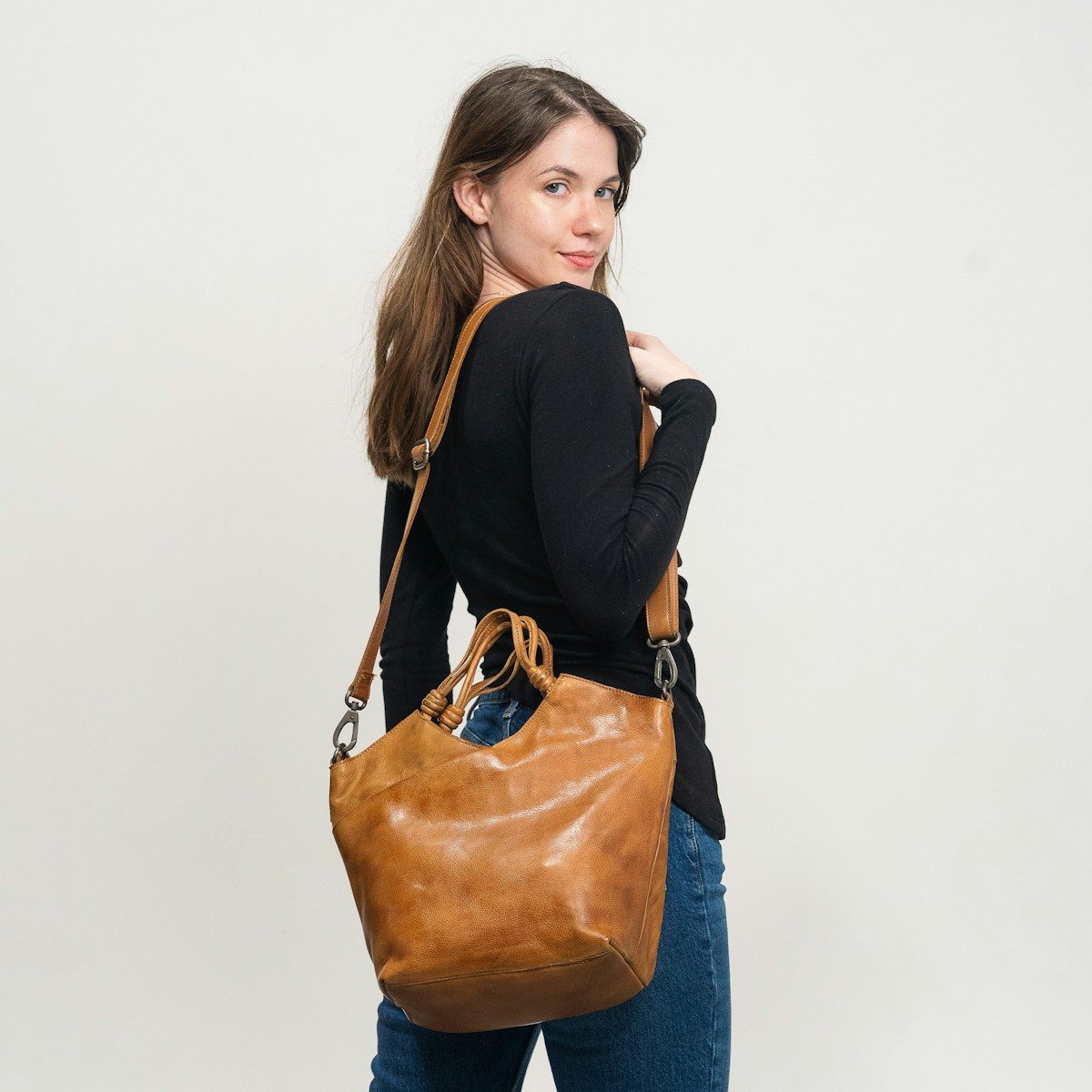
What I love most about these bags is their versatility. I can carry the “Honey” colored tote with a pair of jeans and a white tee for a casual weekend look, or pair the “Black” crossbody with a blazer for a professional meeting. The lack of loud logos makes the bag look expensive without being “flashy.” It lets the quality of the material speak for itself.
FAQ
Is Portland Leather actually made in Portland?
While the company is headquartered in Portland, Oregon, their primary workshop is located in Leon, Mexico. Leon is world-renowned as the “Leather Capital of the World,” housing some of the most skilled artisans in the industry.
Do the bags have a strong smell?
Yes, they have a very distinct, earthy “real leather” scent. This is a hallmark of the vegetable and chrome tanning processes used. It fades slightly over time but never truly disappears.
What is the difference between “Pebbled” and “Smooth” leather?
Pebbled leather has a visible, raised texture that is more resistant to showing scratches. Smooth leather is sleeker and shows the natural “pull-up” (color change when folded) more dramatically.
Are the bags waterproof?
They are water-resistant. A light rain won’t hurt them, but you should avoid submerging them. If they get very wet, dry them slowly at room temperature.
Can I return “Almost Perfect” items?
Typically, AP items are final sale. This is why the discount is so steep. However, the brand is usually very good about addressing actual functional defects if they occur.
Final Thoughts on Investing in Quality
Owning a piece of portland leather is about more than just having a place to put your wallet. It’s about the tactile experience of using something made by hand. It’s about the way the handles mold to your grip over time, and the way the color shifts as it travels with you.
In a world filled with plastic and “disposable” fashion, there is something deeply grounding about a material that only gets better the more you use it. If you’re looking for a bag that will be your companion for years rather than just a season, you really can’t go wrong here.