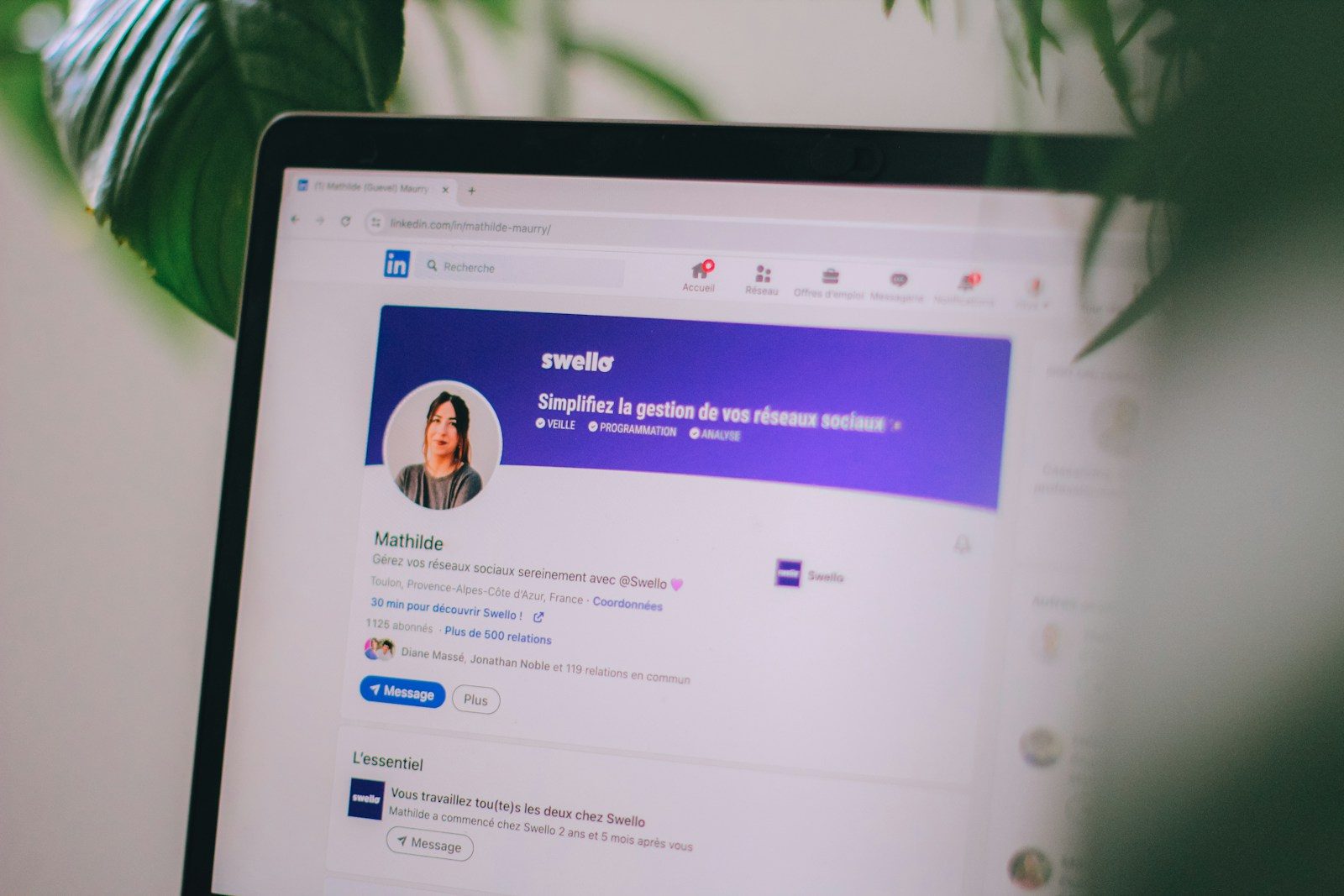
How to Delete LinkedIn Account
In summary: To delete LinkedIn account settings, navigate to Settings & Privacy, select Account Preferences, and scroll to Account Management to choose Close Account. This action permanently removes your profile, connections, and endorsements from the platform.
Navigating the decision to delete LinkedIn account access is often the final step in a broader digital decluttering strategy or a pivot in professional branding. While the platform remains a powerhouse for networking, the rise in data privacy concerns and “hustle culture” burnout has led many professionals to seek a permanent exit. This guide provides the data-driven insights and technical steps needed to close your profile effectively while preserving your professional data.
Essential Insights: Why This Guide Matters
Before we dive into the technicalities, it is important to understand what is at stake. Transitioning away from LinkedIn isn’t just about clicking a button; it involves managing your professional digital footprint. In this article, we cover:
- The critical distinction between deactivating and closing an account.
- Data backup procedures to ensure you don’t lose years of networking.
- The psychological and professional impact of “going dark” on social recruiting.
- A streamlined checklist to ensure your SEO presence doesn’t suffer after you leave.
The Data Behind the Great LinkedIn Exit
While LinkedIn boasts over 1 billion members, user engagement metrics tell a more nuanced story. Research from Pew Research Center suggests that while professional networking remains high, a growing segment of users is opting for niche, invite-only communities or “stealth” professional modes to avoid the noise of traditional social media.
Furthermore, data privacy has become a primary driver. According to reports from Cybernews, previous large-scale data scrapes have made users more cautious about how much of their professional history is publicly indexed. If you’ve decided the risks outweigh the benefits, here is how to handle the process.
Strategic Steps to Delete LinkedIn Account Permanently
Closing an account is a multi-step process. I recommend following these steps in order to avoid the “data ghosting” effect, where your name continues to appear in Google search results long after the account is gone.
- Download Your Data Archive: Do not skip this. Your connections are your net worth. Go to Settings > Data Privacy > Get a copy of your data. Request the “Large data archive” to get your messages, contacts, and articles.
- Revoke Third-Party Access: Before hitting delete, check which apps (like Zoom, Canva, or CRM tools) are logged in via LinkedIn. Disconnecting these first prevents login errors on other platforms later.
- Cancel Premium Subscriptions: If you are paying for Sales Navigator or Premium, cancel these through the “Work” icon menu to avoid “zombie” charges.
- The Final Closure:
- Click your profile photo (Me).
- Select Settings & Privacy.
- Under Account Preferences, find Account Management.
- Click Close Account.
Quick Comparison: Deactivation vs. Deletion
Choosing the right path depends on whether you need a temporary break or a permanent divorce from the platform.
| Feature | Deactivate (Hibernate) | Delete (Close) |
| Visibility | Hidden from everyone | Permanently removed |
| Data Retention | All data is saved | Data is purged after 14 days |
| Connections | Maintained | Lost permanently |
| Search Engines | May still show cached results | Removed after re-indexing |
| Reactivation | Can be done anytime | Only possible within 14 days |
Pros and Cons of Removing Your Professional Profile
Evaluating the trade-offs is a hallmark of an expert approach to digital identity.
Pros:
- Privacy Restoration: Eliminates public access to your work history and contact details.
- Reduced Digital Fatigue: Stops the influx of “InMail” spam and notification bloat.
- Focus: Encourages networking through more direct, high-value channels like email or industry-specific forums.
Cons:
- Loss of Endorsements: Years of “social proof” disappear instantly.
- Recruiter Blindness: 95% of recruiters use LinkedIn; without a profile, you are effectively invisible to headhunters.
- SEO Dip: LinkedIn profiles usually rank #1 for your name; removing it might allow less desirable search results to surface.
Common Mistakes and Practical Examples
I often see users rush the process, only to regret it when they realize a specific contact’s email was only stored in their LinkedIn messages.
- The “Double Account” Trap: Some people try to delete LinkedIn account access because they accidentally created two profiles. In this case, do not delete—use the Merge Accounts feature instead to keep your connections.
- Ignoring Premium Billing: Simply closing the account doesn’t always stop a mobile-app subscription processed through Apple or Google Play. Ensure you cancel at the source.
- Forgetting the PDF Resume: Before you go, use the “Save to PDF” feature on your own profile. It is the fastest way to turn your digital history into a functional document for your records.
Frequently Asked Questions
Can I get my connections back if I change my mind?
If you close your account, you have a 14-day window to reactivate it. However, even if you reactivate within that window, endorsements, recommendations, and group memberships are often lost forever. After 14 days, the data is purged.
Will my profile still show up on Google?
Yes, for a short period. Search engines like Google and Bing crawl LinkedIn periodically. After you delete LinkedIn account records, the link will eventually result in a 404 error and disappear from search results, but this can take anywhere from a few days to several weeks.
What happens to messages I sent to others?
Your messages stay in the recipient’s inbox, but your name and photo will be replaced by a generic “LinkedIn Member” icon. They will no longer be able to click through to your profile.
Do I need to delete my account to stop getting emails?
No. If your primary issue is noise, you can navigate to Settings > Communications and toggle off all notifications. This allows you to stay “discoverable” to recruiters without the daily inbox clutter.
Is there a way to hide my profile without deleting it?
Yes, the “Hibernate” feature is the best middle ground. It hides your profile and connections but allows you to return later with all your data intact.
Deciding to move on from a major social platform is a significant step in managing your personal brand. By following a structured exit, you ensure that while your profile disappears, your professional value remains under your own control.