
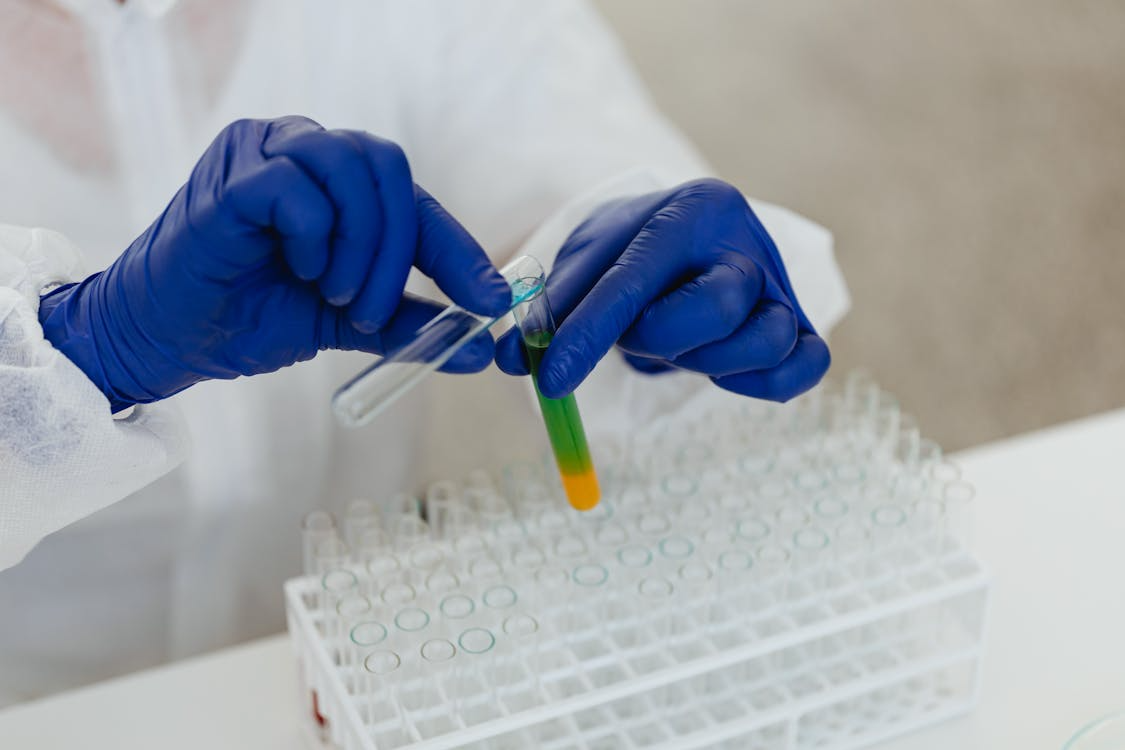
How to Prepare for Pre‑Employment Drug Testing
A pre‑employment drug test can be a pivotal step in the job-hunting process.
Many employers, particularly those regulated by the Department of Transportation (DOT) or working in safety‑sensitive industries, require applicants to submit a urine sample for drug testing.
The test is intended to identify metabolites of drugs rather than recent use or impairment. Because an unexpected positive can derail a job opportunity, people often turn to at‑home tests to gauge their status in advance.
The Issue
There is a lot of confusion around what these tests actually measure, how long substances remain detectable, and how candidates should prepare.
Over‑hydrating, misunderstanding detection windows, or relying on unproven detox myths can lead to misinterpretation and unnecessary stress. So, let’s talk about how pre‑employment drug testing works, why people prepare, what influences the results, common mistakes to avoid, and how tools like Exploro at‑home testing kits can support the process.
What pre‑employment drug testing actually means
Pre‑employment drug tests are screening tools used by employers to ensure that prospective employees meet their drug‑free policy.
They typically involve a urine sample that is analyzed in a certified laboratory. Unlike roadside sobriety checks, these tests detect metabolites, aka the compounds your body produces when breaking down substances like THC or opioids.
For example, a standard 5‑panel test looks for metabolites related to amphetamines, phencyclidine (PCP), cocaine, opiates, and marijuana. This panel is often used for DOT‑regulated positions as well.
Test Types
Different tests detect different substances and have different cut‑off levels.
For cannabis, professional screening often uses a 50 ng/mL urine cut‑off to distinguish incidental exposure from actual use. At‑home options range from simple THC tests to multi‑level kits that test at 20, 50, and 100 ng/mL. These tests can indicate whether you are approaching the threshold used in laboratory screening.
Multi‑panel kits, such as a 5‑panel DOT‑like test, check for multiple drug classes simultaneously. This is especially useful for job seekers in regulated fields. It is important to note that these tests are qualitative, meaning that they tell you whether the metabolite level is above or below the cut‑off, not the exact concentration.
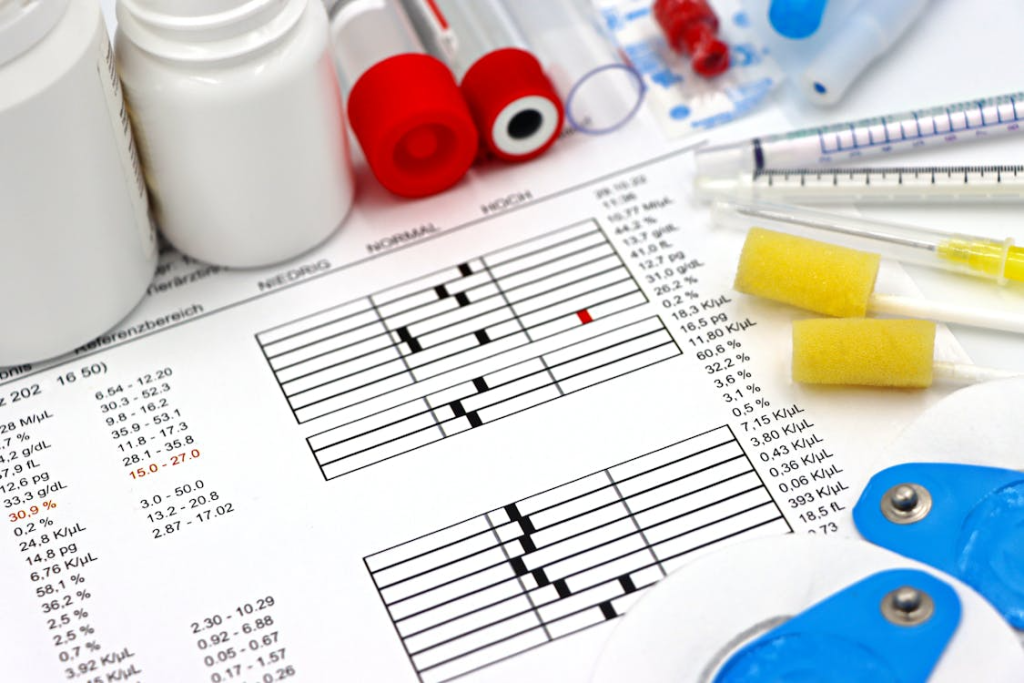
Why do people look into it?
People prepare for pre‑employment drug testing for a variety of reasons. Some are simply looking to remove uncertainty ahead of an important job opportunity, while others are making lifestyle changes and want to track their progress. Here are common motivations:
- Pre‑employment screening: Employers often include drug testing as part of background checks to ensure safety and compliance, particularly in transportation, construction, and healthcare.
- Safety‑sensitive roles: DOT‑regulated positions require a DOT drug test (a 5‑panel urine test) that screens for marijuana, cocaine, amphetamines, opioids, and PCP.
- Post‑treatment monitoring: Individuals who have abstained from cannabis use or other substances may use an at-home THC urine drug test to verify that metabolites have fallen below the laboratory cut‑off.
- Reducing anxiety: Testing at home allows candidates to understand their status before scheduling an official screening, reducing stress and preventing surprises.
- Policy compliance: Some employers offer applicants a chance to self‑test to ensure they meet company policy before submitting to a formal lab test.
Brands like Exploro, which offers a range of at‑home urine drug tests, cater to these needs by providing 3‑level THC kits and multi‑panel options.
These products let users estimate whether they fall below common cut‑off levels and identify which substances may still be present, giving them time to consider their next steps.
What affects the outcome
Several factors influence whether a pre‑employment drug test yields a positive or negative result. Understanding these variables helps candidates plan realistically:
- Frequency and duration of use
THC is lipophilic and accumulates in fat cells. One‑time cannabis users typically eliminate detectable metabolites within 1-5 days, whereas chronic daily users may remain positive for 30 days or more. The longer and more frequently you use, the longer it may take to clear metabolites. - Body composition
People with higher body fat percentages store more THC metabolites. Individuals with a higher BMI have more storage space for metabolites, leading to longer detection windows. - Metabolism and genetics
Metabolic rates vary by age and genetics. Some people are fast metabolizers, while others process THC more slowly. A healthy liver and kidneys are also important for eliminating metabolites. - Potency and consumption method
High‑potency cannabis or edibles produce more metabolites than low‑potency products or smoking. Edibles must pass through the digestive system, generating 11‑hydroxy‑THC, which can extend detection times. - Hydration and lifestyle
Hydration affects urine concentration. Dehydration can concentrate metabolites, increasing the chance of a positive result. On the other hand, over‑hydration may dilute a sample. But modern labs check creatinine and specific gravity to flag diluted specimens. Exercising helps, but working out and sweating just before the test may temporarily raise THC levels by releasing stored metabolites. - Type of test
Urine tests offer a detection window of 3-30 days and are commonly used for pre‑employment screening. Saliva tests detect recent use (12-24 hours), while hair tests can detect historical use for up to 90 days.
These factors apply whether you use a single‑substance THC test or a multi‑substance 5‑panel kit. Being aware of them helps you interpret at‑home results and set realistic expectations for the lab test.
Approximate detection times
Below is a general overview of detection windows for cannabis and substances in a 5‑panel urine test. Actual times may vary by individual factors listed above.
| Substance or test type | Typical urine detection window* | Primary use in pre‑employment testing |
| THC (occasional use) | 1–3 days | Cannabis screening |
| THC (frequent use) | 2–3 weeks or more | Cannabis screening |
| THC (chronic heavy use) | 30+ days | Cannabis screening |
| Amphetamines | ~48 hours | 5‑panel DOT‐like test |
| Cocaine | 2–4 days | 5‑panel DOT‐like test |
| Opiates (e.g., heroin, hydrocodone) | 2–3 days | 5‑panel DOT‐like test |
| PCP | ~8 days | 5‑panel DOT‐like test |
*Detection windows are estimates and may vary based on the factors discussed above.
Common mistakes or myths
Despite good intentions, many candidates make missteps when preparing for a drug test.
Understanding these pitfalls allows you to focus on what matters: abstaining from prohibited substances well in advance and following test instructions closely. When in doubt, consult your prospective employer’s policies or a healthcare professional. Here are 5 most common mistakes and how to avoid them:
1. Arriving unprepared
A urine test requires you to produce around 45 mL of urine. OccMed Associates advises candidates to arrive ready to provide a sample and to stay for the entire test because leaving early can be considered a refusal. Use the restroom before heading to the clinic but avoid doing so immediately before your appointment.
2. Over‑hydrating
Drinking water helps ensure you can provide a sample, but excessive water intake can dilute your urine. OccMed Associates notes that over‑hydration may require a retest because the sample appears too diluted. GoodHire also warns that diluted samples can result in inconclusive results.
3. Assuming detox shortcuts work
Online anecdotes claim that detox drinks or extreme exercise can “flush” THC out. SureHire points out that detox beverages are largely ineffective at removing metabolites, while heavy exercise can temporarily increase THC levels in your blood.
4. Failing to disclose prescription medications

Some over‑the‑counter medications and prescriptions (e.g., decongestants, opioids) can trigger false positives. GoodHire notes that a Medical Review Officer reviews results and will consider prescription use. Be prepared to provide proof of valid prescriptions.
5. Misinterpreting results
At‑home test lines can be faint, especially near the threshold. Even a light line usually indicates a negative result at that cut‑off level. Follow the instructions carefully and repeat the test if you are unsure.
Final thoughts
Preparing for a pre‑employment drug test isn’t about gaming the system. Drug tests detect metabolites rather than impairment, and many factors affect how long those metabolites remain detectable. It is impossible to remove THC or other substances from your system overnight.
Using at‑home testing tools can provide valuable insight. Brands like Exploro offer both single‑substance and multi‑panel kits, allowing you to check your status before scheduling the formal test.
In the end, the best preparation is proactive abstinence, realistic timing, and honest communication. This way, you can approach your pre‑employment screening with confidence and clarity.