Interior Doors for Modern Homes: How to Choose Style, Function, and Value
Interior door choices shape much more than the look of a room. They influence privacy, comfort, sound control, light separation, and the overall rhythm of the home. When people renovate or furnish a house, they often focus on floors, walls, and furniture first, but doors are part of the visual architecture too. A well-chosen door can make a bedroom feel calmer, a hallway look cleaner, and a living space feel more finished. On the current Triodoors category page, shoppers can browse 242 interior door products from Astori and Dooris, with styles ranging from concealed frame and frameless to contemporary, minimalism, modern, loft, classic, neoclassic, and hi-tech.
This wide range matters because a home interior door should reflect how a room is actually used. Triodoors organizes the category by intended use as well, including apartment, house, residence, room, living room, hallway, kitchen, pantry, bedroom, kid’s bedroom, closet doors, walk-in closet, laundry, washroom, and bathroom. That makes the category practical not only for full-home renovation projects, but also for homeowners replacing a few doors in specific zones.
Material and construction options are another important part of the decision. The current filters show smart core, solid core, and glass versions, along with finishes such as glass, HPL, laminate, painted, primed, stone or Laminam, transparent glass, and veneered. Decorative details also vary, including flat designs, glass inserts, milling, aluminum inserts, mirror inserts, fluted details, veneered inserts, and paneling. In real terms, this means buyers can choose a door based not only on style, but also on durability, surface character, and the level of visual detail they want in the room.
Why Interior Doors Matter in Daily Life
A good interior door (https://triodoors.ca/interior-doors/) improves everyday comfort in ways that become obvious only after installation. The Triodoors category text emphasizes that interior doors separate space, decorate rooms, help retain warmth, and provide sound insulation. It also notes that home interior doors are especially useful in households with more than two people because they help protect personal space. These benefits may sound simple, but they are exactly what makes the right door feel worthwhile over time.
In a modern home, not every room has the same needs. A bedroom usually requires more privacy and better light blocking. A pantry or laundry room needs practicality first. A living room opening often has to balance aesthetics with everyday movement. That is why the best interior doors are rarely chosen by appearance alone. A beautiful slab door may look right in a showroom, but the real question is how well it works with the room’s purpose, layout, and daily traffic.
A few factors usually matter most:
- the style should support the interior instead of overpowering it;
- the core and finish should match the level of durability you expect;
- the model should fit the room type, not just the wall opening;
- the price should be judged against long-term value, not only the initial discount.
How to Choose a Home Interior Door Without Overpaying
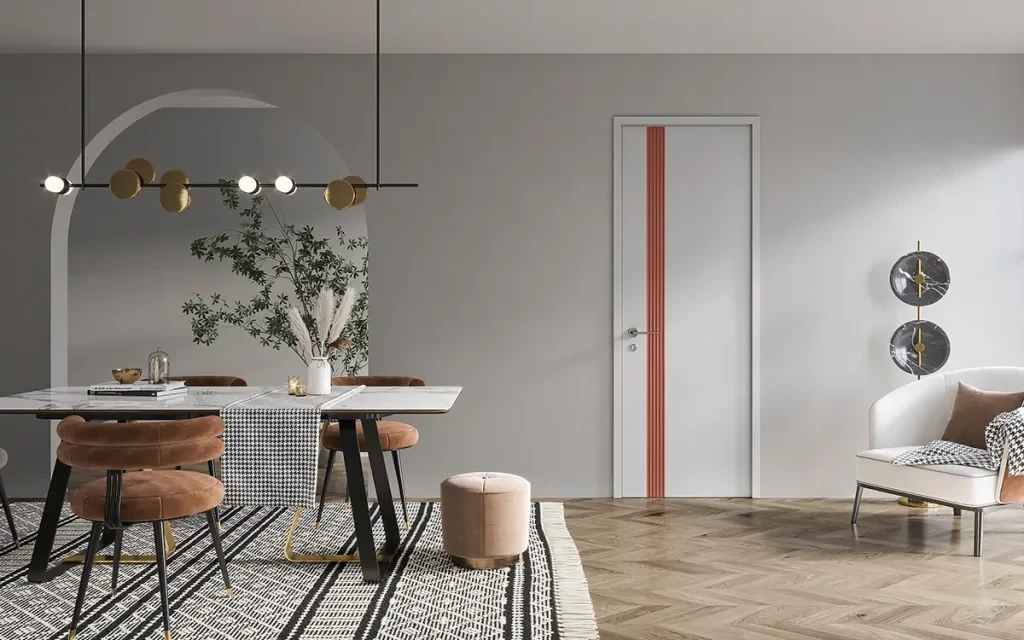
Choosing a home interior door well means look ing at the whole picture. The current Triodoors.ca range includes color filters such as white, light, dark, black, brown, Benjamin Moore, RAL/NCS, metallic RAL/NCS, and gray. That gives homeowners the flexibility to coordinate doors with flooring, trim, cabinetry, wall color, or a more customized interior palette.
Style direction is just as important. On the current page, contemporary and minimalism are among the largest groups, but there are also classic, neoclassic, loft, hi-tech, traditional, Scandinavian style, Provence, boho, farmhouse, and Art Deco options. This breadth matters because interior doors occupy visual space every day. They are not minor details. They contribute to the mood and identity of the home just like lighting, wall finishes, and furniture do.
That is why comparing prices on doors should never be done in isolation. The lowest number on the page does not automatically mean the best purchase. A cheaper model may work perfectly for a secondary room, while a concealed or solid-core solution may be worth more in a primary living area or a design-focused renovation. What matters most is whether the door fits the space, supports the desired style, and delivers the level of performance the room actually needs.