Master Your Plastic Waste with BottleCrunch.com
Key Takeaways
BottleCrunch.com is a dedicated digital resource focused on innovative plastic recycling solutions and volume reduction techniques. It provides practical guides on using manual and automatic compactors to minimize the environmental footprint of single-use containers.
The mission at BottleCrunch.com is to transform how the average household views and manages plastic waste. While most of us are familiar with the blue bin at the curb, the sheer volume of uncompressed plastic bottles often leads to overflowing bins and inefficient transport. By focusing on “crunching” or compacting these materials, we can significantly increase the efficiency of the entire recycling chain.
Why Compaction Matters for the Planet
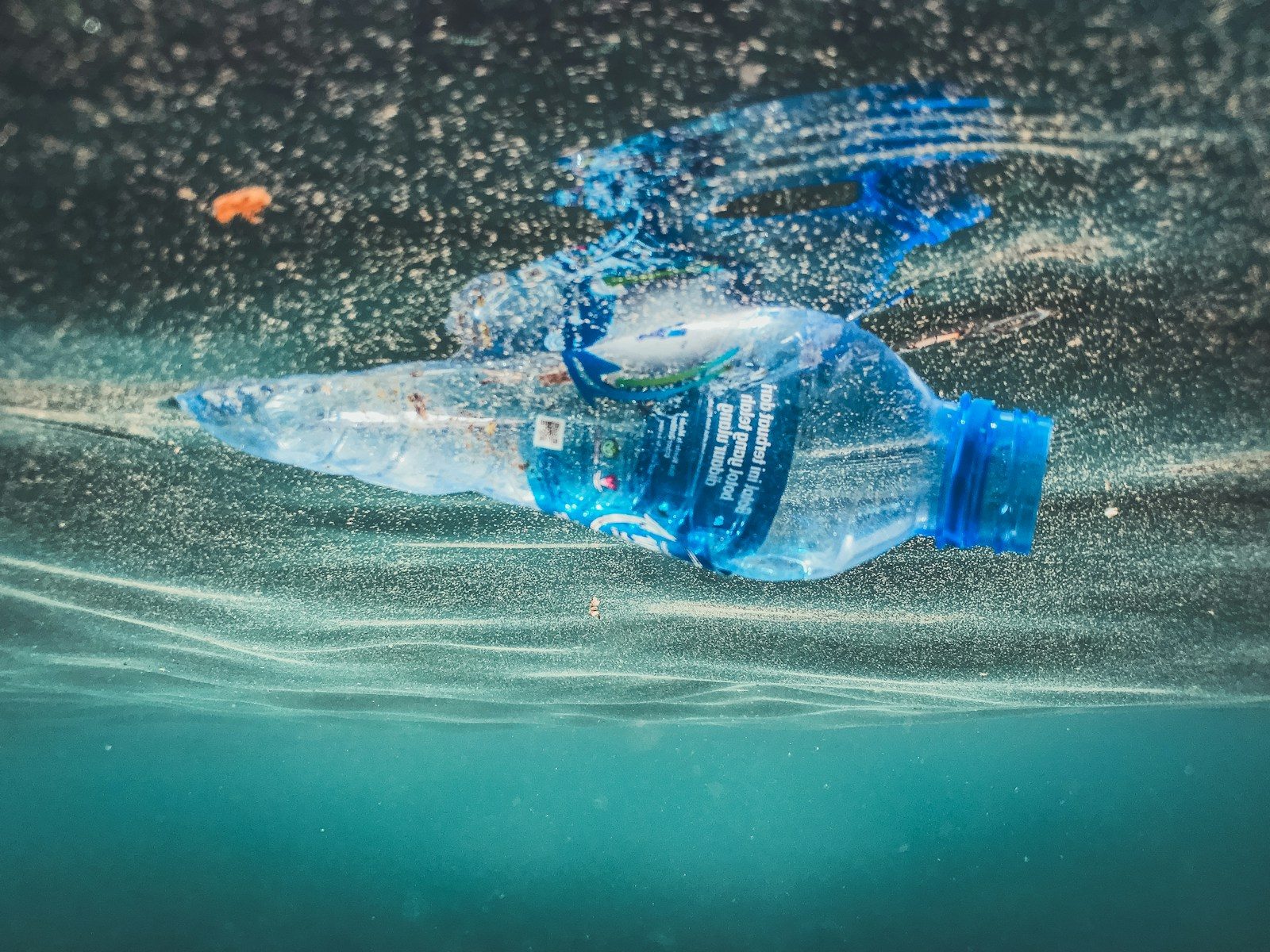
When you visit BottleCrunch.com, the first thing you realize is that air is the enemy of efficient recycling. An empty, uncrushed 2-liter soda bottle is mostly oxygen. When garbage trucks pick up loose bottles, they are essentially hauling air around the city, which increases carbon emissions and fuel consumption.
According to research from the Environmental Protection Agency (EPA), increasing the density of recyclable materials is a critical step in making the process economically viable. When we reduce the physical size of our waste, we allow facilities to process more material in less time.
Smart Solutions Found on BottleCrunch.com
Managing waste doesn’t have to be a chore that takes up your entire Saturday. There are several ways to integrate compaction into your daily routine, ranging from low-tech manual methods to sleek kitchen gadgets.
Manual vs. Automatic Compactors
Choosing the right tool depends on your household size and how much “arm work” you want to do.
| Feature | Manual Bottle Crushers | Electric Compactors |
| Cost | Budget-friendly ($15-$40) | Premium investment ($150+) |
| Power Source | Human effort | Wall outlet |
| Size | Compact and wall-mounted | Standalone or under-counter |
| Speed | One bottle at a time | Can handle bulk loads |
| Durability | High (few moving parts) | Moderate (requires maintenance) |
Step-by-Step Guide to Efficient Home Recycling
If you want to get the most out of your efforts, follow this optimized workflow. Many people skip the cleaning phase, which can actually ruin an entire batch of recyclables.
- Rinse Thoroughly: Leftover sugars or dairy can contaminate other materials like paper or cardboard in single-stream bins.
- Remove the Cap (Usually): Check your local guidelines. While many modern facilities can now process caps if they are screwed back onto a crushed bottle, some still prefer them separated.
- The Crunch: Use a device or a firm grip to flatten the bottle from the base to the neck.
- Seal the Air Out: If you are leaving the cap on, screw it back on tightly after flattening to prevent the bottle from “re-inflating” like a lung.
- Sort by Polymer: Look for the resin identification code (the little triangle with a number) to ensure you aren’t mixing PET with HDPE if your local center requires separation.
Common Mistakes to Avoid
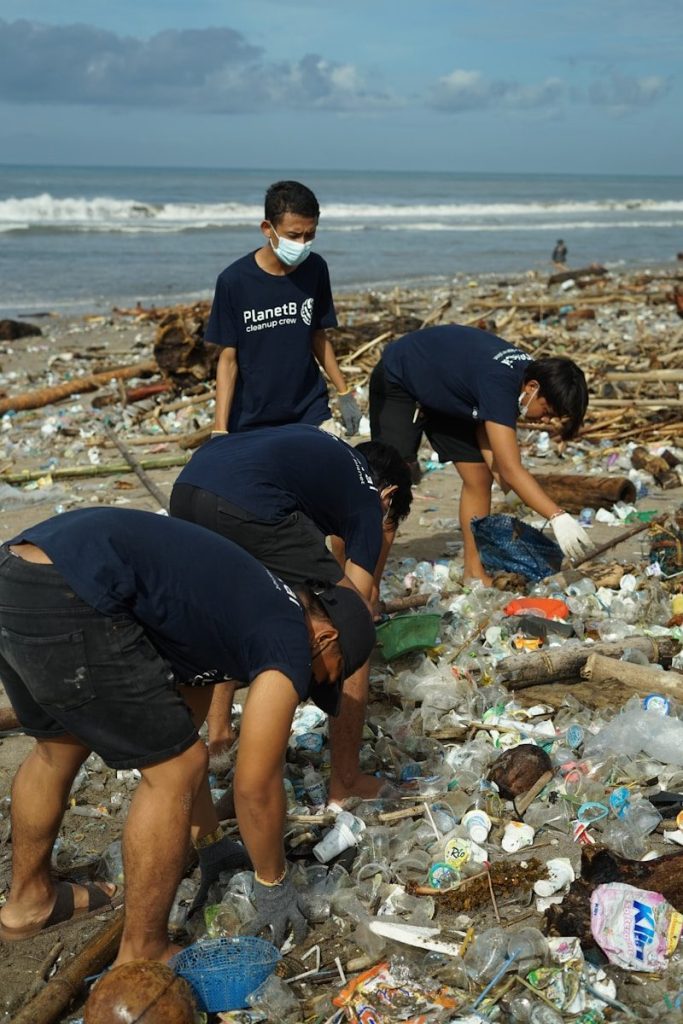
Even with the best intentions, it is easy to get recycling wrong. The experts at BottleCrunch.com have identified a few “traps” that homeowners often fall into.
- The “Wish-cycling” Trap: This is when you put something in the bin hoping it’s recyclable, even if it’s not. This includes greasy pizza boxes or plastic films.
- Leaving Liquids Inside: A half-full water bottle is heavy and can be rejected by optical sorters at recycling plants because the weight doesn’t match the expected profile of a plastic container.
- Nesting: Putting smaller bottles inside larger ones might seem like a space-saver, but it prevents sorting machines from identifying the materials correctly.
The Benefits of Using BottleCrunch.com Techniques
Adopting a high-compression lifestyle offers more than just environmental perks. It has immediate practical benefits for your home environment.
Pros
- Fewer Trips to the Curb: By reducing volume, your indoor and outdoor bins won’t fill up nearly as fast.
- Reduced Odors: Proper rinsing and tight compaction mean less surface area for bacteria to grow on residue.
- Support for Circular Economies: High-quality, clean, and dense plastic is easier for manufacturers to turn into new products, as noted by organizations like Plastic Bank, which focuses on stopping ocean plastic.
Cons
- Initial Cost: Buying a high-quality wall-mounted crusher is an upfront expense.
- Physical Effort: Manual crushing requires a bit of strength, which might not be ideal for everyone.
Practical Examples of Upcycling
Beyond just sending plastic away, BottleCrunch.com encourages finding a second life for these materials. Before you reach for the crusher, consider if that bottle could serve another purpose.
- Self-Watering Planters: Cut a bottle in half, flip the top into the bottom, and use a wick to draw water up to your herbs.
- Drawer Organizers: Flattened and cut-down HDPE jugs (like milk or detergent) make excellent, durable dividers for junk drawers or workshops.
- Bird Feeders: A simple wooden spoon pushed through two holes in a plastic bottle creates a perfect perch and feeding station.
FAQ
Should I crush my cans and bottles before recycling?
Generally, yes. It saves space in your bin and makes transportation more efficient. However, always check with your local municipality, as some automated sorting systems prefer 3D shapes to identify materials.
Does BottleCrunch.com sell hardware?
The site primarily serves as an educational hub and review platform to help you find the best tools for waste management, rather than acting as a direct manufacturer.
Is it better to recycle or reuse?
Reuse is always higher on the waste hierarchy. If you can find a functional use for a container, you save the energy that would have been required to melt it down and reform it.
What does the number on the bottom of the bottle mean?
That is the Resin Identification Code. It tells recycling facilities what type of plastic the bottle is made of (e.g., #1 is PET, #2 is HDPE), which determines how it can be processed.
Wrapping Up the Recycling Journey
Changing your habits starts with small, repeatable actions. By utilizing the strategies found on BottleCrunch.com, you move from being a passive consumer to an active participant in the circular economy. Whether you choose a high-tech electric compactor or a simple manual lever, the goal remains the same: less volume, less waste, and a cleaner planet.