The Importance of Medical Alert Systems for Independent Living and Safety
Key Takeaways
- Medical alert systems provide immediate access to help during emergencies.
- They support independent living by offering safety and security.
- Features like fall detection and GPS tracking enhance user protection.
- These systems are cost-effective compared to alternative care options.
As we age, maintaining independence while staying safe becomes a top priority. For families and seniors alike, knowing that help is available at any time creates peace of mind and encourages autonomy in daily living. Medical alert systems Canada provides a practical solution, giving older adults and their loved ones a reliable safety net that supports both confidence and freedom.
These devices have evolved far beyond simple call buttons, now offering advanced features and tailored services to fit different lifestyles. With immediate assistance at the push of a button, users can continue living independently with assurance. This blend of security and independence is a driving factor behind the widespread adoption of these systems in modern senior care.
Understanding Medical Alert Systems
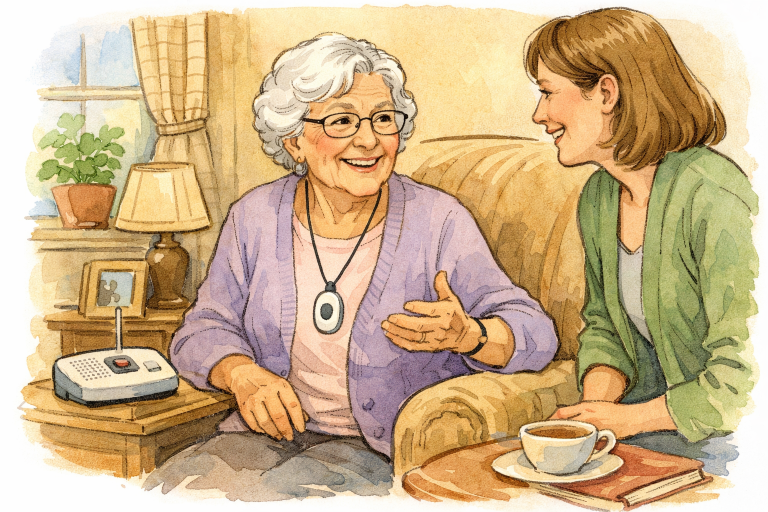
Medical alert systems, also known as personal emergency response systems (PERS), are devices created to connect users rapidly to a monitoring center during emergencies. Upon activation, usually via a wearable button, a trained agent assesses the situation and dispatches the appropriate help, whether emergency services or notifying a designated contact. This system bridges the critical gap between incidents and interventions, reducing the risk of serious outcomes from delayed responses in health emergencies.
The technology behind these systems continues to evolve, integrating modern communication networks such as cellular connectivity and Wi-Fi to ensure broad, uninterrupted coverage both inside and outside the home. Some systems may also offer multilingual support, making them accessible to a diverse senior population. Additionally, many companies provide user-friendly mobile applications for caregivers and family members, allowing them to monitor alerts, check device status, and receive updates regarding their loved one’s activity and safety.
Promoting Independent Living
Maintaining independence is often a core goal for seniors. Medical alert systems contribute significantly to this objective by allowing individuals to remain at home with less need for direct supervision. Reliable access to help through these systems diminishes the need to move to assisted living facilities and can delay or even eliminate the requirement for more intensive home care. This layer of protection empowers seniors to continue their usual activities, knowing they have quick access to help if needed.
For many older adults, the ability to stay in familiar surroundings contributes significantly to emotional well-being and quality of life. Friends and neighbors can remain a regular part of daily routines, and cherished pets or hobbies don’t need to be left behind. Medical alert systems help bridge the gap between a desire for independence and the need for a safety net, promoting a holistic view of healthy aging.
Enhanced Safety Features
In the realm of personal safety devices, medical alert systems now feature robust features to address the complex needs of modern users. Fall detection technology automatically alerts the monitoring center if a fall occurs, even if the user is unable to press the alert button. GPS location tracking allows not only users but also caregivers and responders to pinpoint exact locations, which is especially helpful for active seniors and those with memory loss or confusion. Recent systems may also include health monitoring, medication reminders, and home security integrations.
Some systems also support two-way audio, enabling users to speak directly with support staff and ask important questions about their condition before help arrives. Others can notify multiple contacts in the event of an alert, ensuring a rapid, coordinated response from family and emergency professionals alike. With the expansion of device options, users can now choose between at-home base stations and fully mobile models suitable for travel, shopping trips, and outdoor activities.
Cost-Effectiveness
When weighing the costs of medical alert systems against other senior care solutions, these devices often emerge as the more affordable option. Monthly subscription fees typically cover equipment rental, monitoring, and maintenance at a fraction of the cost of 24/7 home care or residential housing. Furthermore, prompt intervention during emergencies can prevent the cascade of complications that may lead to hospitalization, ultimately saving money on medical bills over time.
Many providers offer flexible payment plans, trial periods, or discounts for long-term commitments, making medical alert systems accessible to individuals with varying budgets. Some insurance plans or government programs may offset a portion of these costs, reducing the financial barrier for those who need assistance most. In addition to personal protection, families can save time and resources that would otherwise be spent on frequent check-ins and visits, striking a balance between peace of mind and financial prudence.
Peace of Mind for Families
Beyond their practical benefits, medical alert systems provide invaluable peace of mind to family members and caregivers. Having confidence that a loved one can access help immediately alleviates worry and reduces the pressure of constant check-ins or supervision. This fosters healthier family relationships by allowing caregivers to focus on quality time rather than being overwhelmed by anxiety.
In addition, family members who live far away or have demanding schedules can stay connected and informed about their loved one’s wellbeing. Many systems now offer real-time activity logs, periodic wellness checks, and automatic notifications that alert relatives to potential concerns even before an emergency occurs. This ongoing communication strengthens trust and reassurance across distances, making medical alert systems an indispensable tool for modern caregiving.
Choosing the Right System
Selecting the most suitable medical alert system involves matching features and design to the user’s lifestyle, health challenges, and preferences. Options range from basic home-based units to mobile devices designed for active users. Some seniors may prefer a pendant or wristband device, while others might need systems with voice activation or water resistance. A careful evaluation process ensures the chosen device is easy to use and provides coverage wherever the user spends most of their time. Government and consumer advocacy sites offer guidance on comparing models and service providers.
When researching options, consider additional factors such as the provider’s response time, customer service availability, and whether the plan offers regular equipment updates and maintenance. User reviews and professional ratings can shed light on reliability and subscriber satisfaction. For those with specific needs such as limited mobility, cognitive impairment, or frequent travel, extra attention to specialized features or add-on services is essential. Ultimately, taking the time to compare systems and understand contractual details leads to a more satisfactory investment.
Conclusion
Medical alert systems are a pivotal component in promoting safe, independent living for seniors and those at risk of medical emergencies. Their capacity to deliver fast assistance, advanced security features, and financial savings makes them an attractive choice for families seeking a comprehensive care solution. By bringing reassurance to users and their supporters alike, medical alert systems lay the groundwork for aging in place with dignity, autonomy, and enhanced well-being.
As technology and innovation continue to advance, the future looks promising for even more personalized, proactive health solutions in this field. Whether for seniors, individuals recovering from surgery, or anyone wanting extra assurance at home, the value of timely support and tailored safety features cannot be overstated. Choosing the right system today provides not only immediate protection but also peace of mind and confidence for whatever tomorrow brings.