
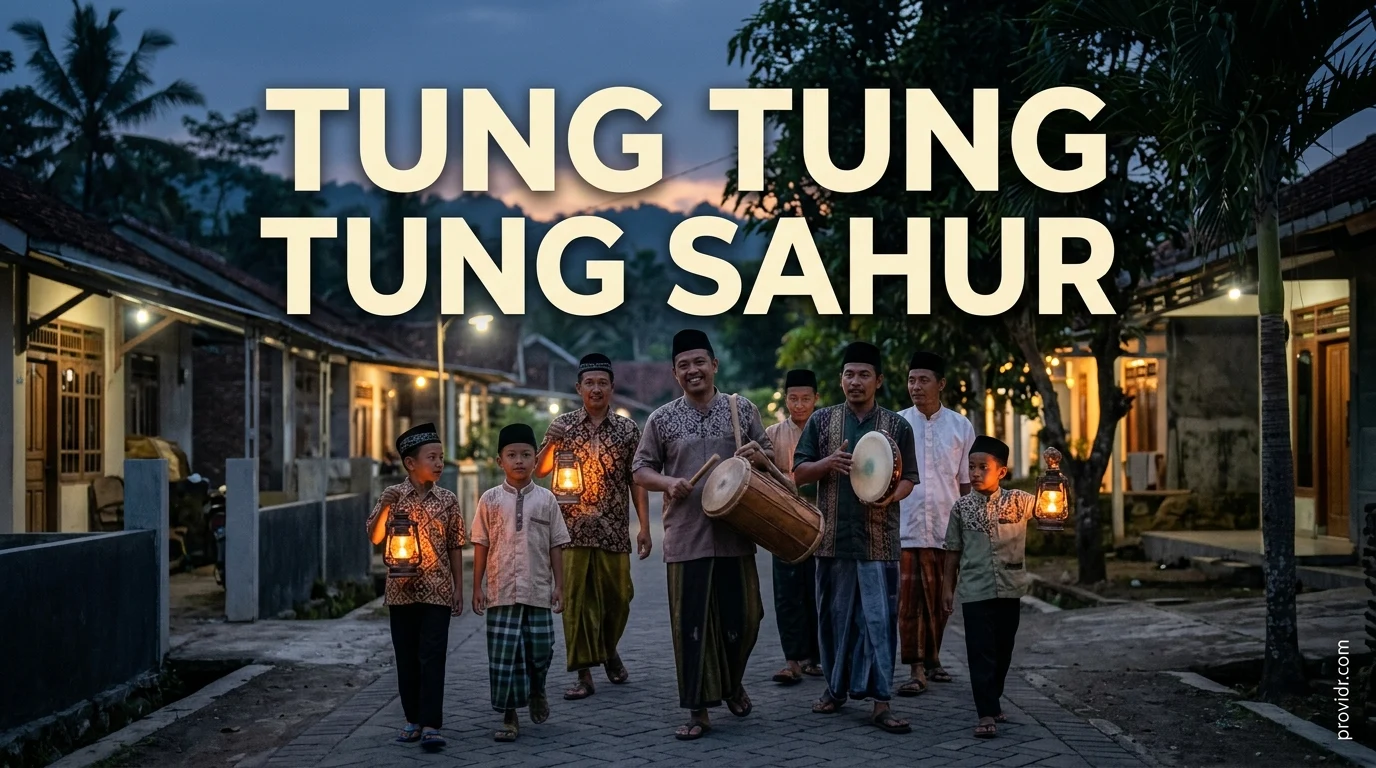
Tung Tung Tung Sahur: The Full Story Behind the Viral Indonesian Brainrot Meme
Have you spent five minutes on TikTok, YouTube Shorts, or Instagram Reels lately? Then you’ve probably seen him. He’s a tall wooden log with a face. He has two skinny legs and a baseball bat. He chants “tung, tung, tung, tung sahur” in a flat, robotic voice. He’s strange. He’s a little unsettling. And he’s everywhere.
Tung Tung Tung Sahur (often shortened to “Tung Tung” or “Triple T”) is an AI-generated meme character. He exploded out of Indonesian TikTok in early 2025 and hasn’t slowed down since. Creators have “powerscaled” him against other viral creatures. Game studios turned him into an in-game collectible. He got dragged into an international copyright fight. A European prime minister even danced his 3D model on an official government account. That’s a wild ride for a character who started as one AI-generated image of an anthropomorphic drum.
This guide covers everything. You’ll learn what the phrase means, where the character came from, why it blew up, and what’s fact versus fan fiction.
What Is Tung Tung Tung Sahur? (Quick Answer)
Tung Tung Tung Sahur is a viral, AI-generated meme character. He’s shaped like a kentongan, a Indonesian slit drum, brought to life with arms, legs, a face, and a wooden bat. He first appeared on TikTok on February 28, 2025. Indonesian creator @noxaasht posted him. The voice-over calls him a “scary anomaly” who only appears during sahur, the pre-dawn meal Muslims eat before fasting during Ramadan. According to the meme’s story, he shows up at your door if you ignore three wake-up calls.
The character is 100% Indonesian in origin. Yet he got swept into the broader “Italian Brainrot” meme trend. That trend features absurd, AI-generated creatures narrated in deadpan Italian-style text-to-speech voices. Both trends exploded on TikTok at the same time. They share the same chaotic, nonsensical visual style, so audiences lumped them together.
In short: it’s internet nonsense built on a real cultural tradition. That mix of “this actually makes sense” and “this makes no sense at all” is exactly why it went viral.
The Meaning and Pronunciation of “Tung Tung Tung Sahur”
The meme has real roots. That’s worth understanding before you write it off as pure gibberish.
What “Tung Tung Tung” Represents
“Tung tung tung” is onomatopoeia. It mimics the hollow, percussive sound of a wooden drum being struck. In parts of Indonesia and Malaysia, that drum is a bedug or kentongan. Communities beat it at mosques and around neighborhoods to mark prayer times or share community news. During Ramadan, they use it to wake people up in time for sahur.
What “Sahur” Means
Sahur is the pre-dawn meal Muslims eat before the daily fast begins during Ramadan. The meal has to happen before sunrise. So communities have long relied on drummers, callers, or neighborhood patrols to physically wake people up in time. This tradition connects to the local pos ronda, or neighborhood watch post.
So when the AI voice shouts “Tung Tung Tung Sahur,” he’s basically yelling “drum, drum, drum — time to eat before the fast starts!” The meme just stretches that into an absurd, over-the-top internet cryptid.
Read more: https://providr.com/from-security-clearance-to-cloud-success-exploring-aws-career-opportunities/
How to Pronounce It
Phonetically, it reads roughly as: TOONG-toong-toong sa-HOOR
“Tung” rhymes with “soon.” “Sahur” gets stressed on the second syllable, close to how Bahasa Indonesia and Malay speakers say it.
Origin of the Meme: A Complete Timeline
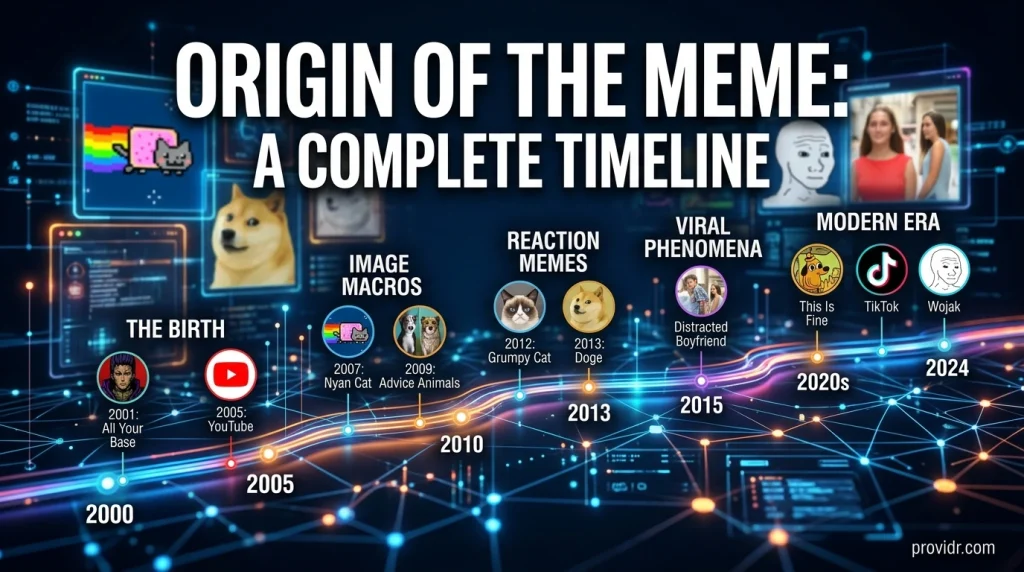
| Date | Event |
| February 28, 2025 | TikToker @noxaasht posts the first known image and video of the wooden stick-man. He stands at what looks like a bus or train stop, captioned as a “scary anomaly” tied to sahur. |
| Early March 2025 | The clip goes viral. It racks up tens of millions of views (reports range from roughly 31 million to over 80 million across reposts) and millions of likes. |
| March 10, 2025 | TikToker @redbluzx_tiktoq posts a widely-viewed video of the character swinging his bat and exploding. This adds a new “canon” moment to the mythology. |
| March 22, 2025 | TikToker @drw.artz posts a mechanical-pencil drawing tutorial of the character. Fan art had officially arrived. |
| Late March 2025 | Ramadan ends. Indonesian creators post “farewell” videos of Tung Tung Tung Sahur heading home, boarding imaginary flights, or vanishing. It’s a cute, self-aware nod to his “seasonal” role. |
| Spring–Summer 2025 | The character joins the wider Italian Brainrot universe. He appears in “powerscaling” battle videos against characters like Brr Brr Patapim and Bombardiro Crocodilo. |
| September 13, 2025 | Steal a Brainrot, a Roblox game, pulls Tung Tung Tung Sahur amid a copyright dispute. |
| November 2025 | The game adds the character back in. |
| 2026 | A French licensing agency, Mementum Lab, claims commercial rights to the character. This sparks a debate over whether AI-generated characters can even be copyrighted. The game removes him again in April 2026, and skins tied to the character get revealed for Fortnite. |
Why It Became Part of “Italian Brainrot” Despite Being Indonesian
This confuses a lot of people, so let’s clear it up. Tung Tung Tung Sahur is not Italian. He has no connection to Italy at all. His name, his design, and his backstory are entirely Indonesian.
So why do people constantly group him with characters like Tralalero Tralala (the sneaker-wearing shark) and Bombardiro Crocodilo (the crocodile bomber plane)? Those characters get Italian-language narration and nursery-rhyme-style names. Here’s why the mix-up happened:
- Timing. The Italian Brainrot trend and the Tung Tung Tung Sahur video both went viral within weeks of each other in early 2025.
- Shared aesthetic. Both use the same formula: an AI image generator, flat text-to-speech narration, and jarring sound effects. That formula defines brainrot content.
- Crossover culture. Brainrot fans make “powerscaling” videos. These are fan battles that pit one absurd creature against another. Once fans pulled Tung Tung Tung Sahur into fights against Brr Brr Patapim and Bombardiro Crocodilo, he became part of the same shared universe in viewers’ minds.
- The “brainrot” label stuck to everything. Once a meme aesthetic gets a catchy umbrella name, algorithm-driven platforms and casual viewers lump every similar-looking character under it. Actual origin doesn’t matter to the algorithm.
So here’s the honest answer: he’s an Indonesian character who got adopted by an Italian-flavored meme genre. Algorithm timing and visual style caused that, not any real cultural link.
How AI Tools Fueled the Meme’s Explosion
Tung Tung Tung Sahur shows how consumer AI image and voice tools changed meme culture almost overnight.
- Image generation let one creator turn an abstract idea, “what if a drum was a person,” into a shareable, consistent-looking character in minutes. No drawing skill required.
- Text-to-speech narration gave the character a “voice” and a flat, deadpan delivery. That delivery became the signature sound of the entire brainrot genre.
- Low barrier to remixing meant anyone could generate their own version, variation, or “battle” video with the same tools. This is a huge reason the meme multiplied instead of staying one viral clip.
This is also why the character later became a copyright headache. Nobody drew an “original” version by hand, so there’s no single canonical artwork like a cartoon studio character would have. Every version is just another AI generation. That raises real legal questions about who, if anyone, owns him.
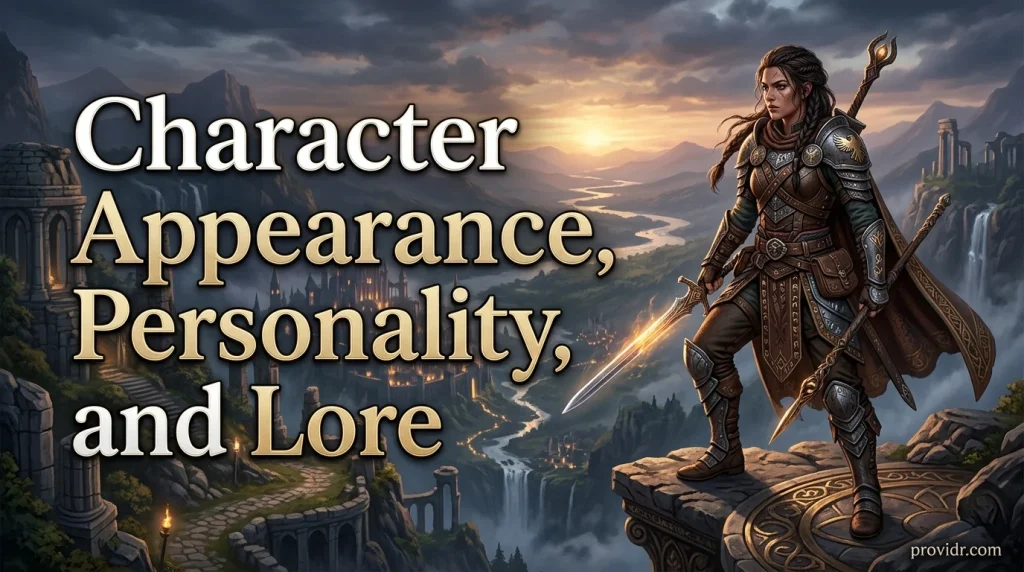
Character Appearance, Personality, and Lore
What He Looks Like
- A tall, light-brown wooden figure shaped like the kentongan drum
- A simple, expressive face, usually a wide smile paired with thin eyebrows
- Two long, thin legs, giving him an upright, humanoid stance
- A wooden bat or club (sometimes called a “pentungan,” a traditional cudgel) held in one hand
Personality and “Lore”
No official studio or writer controls this character. So all the lore comes from fans. It generally describes him as:
- A nocturnal figure who “only comes out” during sahur
- A menacing but ultimately cartoonish enforcer of the Ramadan wake-up tradition
- Someone who appears at your home if you ignore three sahur calls in a row
Fans bui