
What Does Sealing Mean in a Fire Restoration and Why It Is Critical?
If you have ever dealt with fire damage, you may have heard contractors mention “sealing” as a key step in the process. But what does sealing mean in a fire restoration? Simply put, it refers to applying a specialized coating or sealant to fire and smoke-damaged surfaces. This coating creates a physical barrier that traps odor molecules and smoke residue inside building materials, preventing them from releasing into the air.
Sealing is not the same as painting or priming a wall. It is a targeted restoration technique that addresses the deep contamination left behind by smoke. Therefore, understanding this step is essential for homeowners, property managers, and restoration professionals who want a truly complete recovery.
How Smoke Penetrates Building Materials?
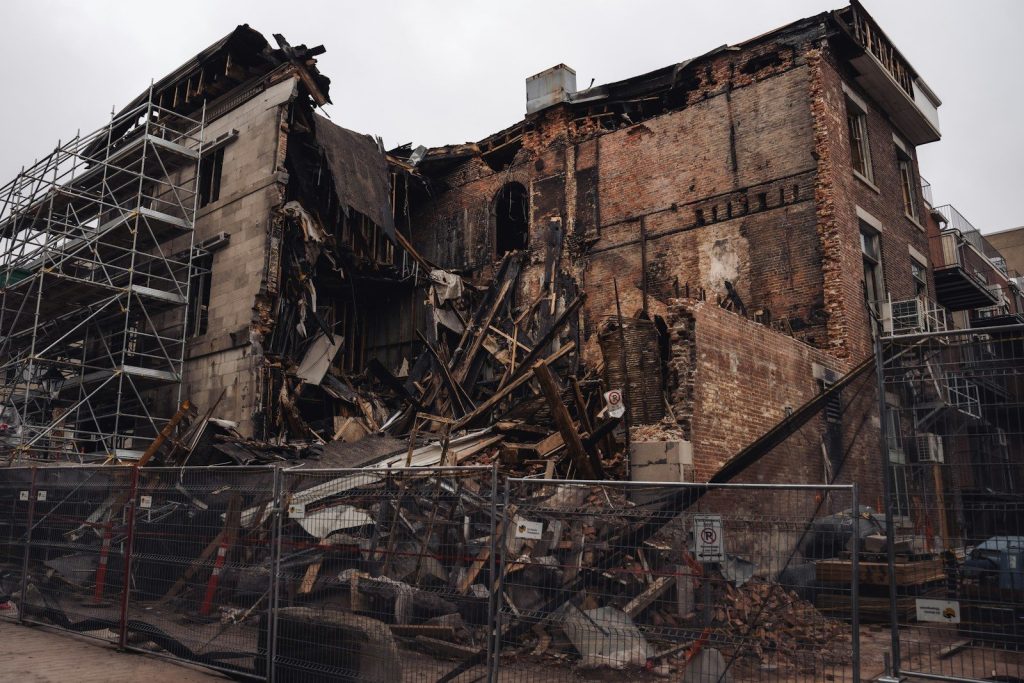
Smoke does not simply sit on surfaces after a fire. It penetrates deep into porous materials such as wood framing, drywall, concrete, and insulation. These absorbed particles continue releasing odor molecules for months or even years after the fire event. Additionally, smoke carries volatile organic compounds and toxic chemicals that bond at a molecular level with structural materials.
Standard cleaning methods cannot always reach these embedded contaminants. However, even after thorough scrubbing and deodorization, residual odor molecules remain trapped inside the microscopic pores of building materials. As a result, odors can resurface weeks or months later, especially when temperature and humidity levels change.
What Does Sealing Mean in a Fire Restoration: The Core Process
When restoration professionals apply a sealer, the product works through a three-stage process. First, the sealant penetrates the surface to reach embedded particles. Second, specialized polymers surround and bond with smoke molecules. Third, the product cures to form a continuous barrier film that prevents future odor release.
This process is what separates sealing from simple odor masking. Air fresheners and basic primers only cover up the smell temporarily. In contrast, a proper fire damage sealer encapsulates the source of the odor at the structural level. Furthermore, sealers also block visible staining, including smoke discoloration and wood tannin bleed-through, which would otherwise bleed through any final paint coat.
Types of Sealers Used in Fire Restoration
Restoration professionals choose from several sealer types depending on the severity of the damage and the surface being treated. Each type offers distinct advantages:
- Shellac-based sealers: Considered the gold standard for heavy smoke damage, shellac excels at blocking stubborn odors including protein fires in kitchens. It dries fast and allows multiple coats within a single workday.
- Oil-based primers: Best suited for drywall, plaster, and concrete. These offer superior penetration and a durable seal, though they require a longer cure time.
- Water-based encapsulants: A low-VOC option ideal for light to moderate damage. These are flexible, maintain breathability, and are safer for occupants with chemical sensitivities.
- Specialty sealers: Designed specifically for HVAC systems and ductwork, these heat-resistant formulas require professional application and address contamination inside ventilation systems.
Why Sealing Must Come After Thorough Cleaning
A critical point that many overlook is that sealing is never a substitute for cleaning. Sealers seal surfaces and close pores; they do not remove contaminants. Therefore, applying a sealer over heavily soiled or inadequately cleaned surfaces will trap active contamination underneath, which can lead to ongoing structural deterioration and eventual odor return.
Restoration professionals perform an intensive visual and olfactory inspection before applying any sealer. All soot, residue, and smoke deposits must be removed first. Only after a complete cleanup and deodorization process is confirmed should a sealer be applied as the final lockdown step.
What Does Sealing Mean in a Fire Restoration for Long-Term Odor Control
One of the most important reasons sealing is critical is its role in long-term odor control. Fire damage sealers must inhibit the release of fire-related odors not just immediately after application, but days, weeks, months, and even years into the future. Standard primers simply cannot deliver this level of performance.
Seasonal changes in temperature and humidity cause building materials to expand and contract. This movement can push trapped odor molecules out through surfaces that were not properly sealed. However, a high-quality encapsulant maintains its barrier properties through these changes, ensuring odors do not resurface.
Additionally, by locking in harmful smoke particles, sealing directly improves indoor air quality and reduces respiratory health risks for future occupants.
Sealing as Part of a Complete Restoration Strategy
Sealing works best when integrated into a comprehensive restoration plan. Professionals typically combine multiple approaches for the most effective results:
- Ozone or hydroxyl treatment addresses airborne odors in the structure before sealing begins
- Thermal fogging treats soft goods and contents that cannot be sealed directly
- Surface cleaning and deodorization removes the bulk of smoke residue before sealant application
- Sealing and encapsulation locks in any remaining residual contamination as the final structural step
For fire-damaged wood specifically, a sealer minimizes smoke odors, covers stains, and also serves as a bonding primer. This makes the surface ready for a final decorative paint coat. Furthermore, in cases where complete removal of affected materials is not possible or cost-effective, sealing provides a reliable and long-lasting alternative to full demolition and replacement.
Choosing the Right Sealer for Your Project
Selecting the correct sealer depends on two key questions. First, will it suppress fire-related odors reliably? The sealer must prevent scents from returning through the pores of the treated surface. Second, can it seal stains and residues without bleed-through? The goal is to keep the decontaminated surface clean and presentable over time.
Water-based sealers offer a low-odor, low-VOC option that maintains vapor permeability and prevents condensation buildup. In contrast, shellac-based products offer maximum odor blocking for severe damage but produce stronger fumes during application, requiring proper ventilation and PPE. Additionally, specialty products like Fiberlock RECON with OdorLock technology are formulated to prevent smoke odors from migrating through the coating while maintaining breathability, even through seasonal temperature changes.
Understanding what sealing means in a fire restoration empowers property owners to ask the right questions and ensures restoration contractors deliver a truly complete result. A properly sealed structure is not just visually restored; it is safe, odor-free, and protected against the long-term effects of smoke contamination.