
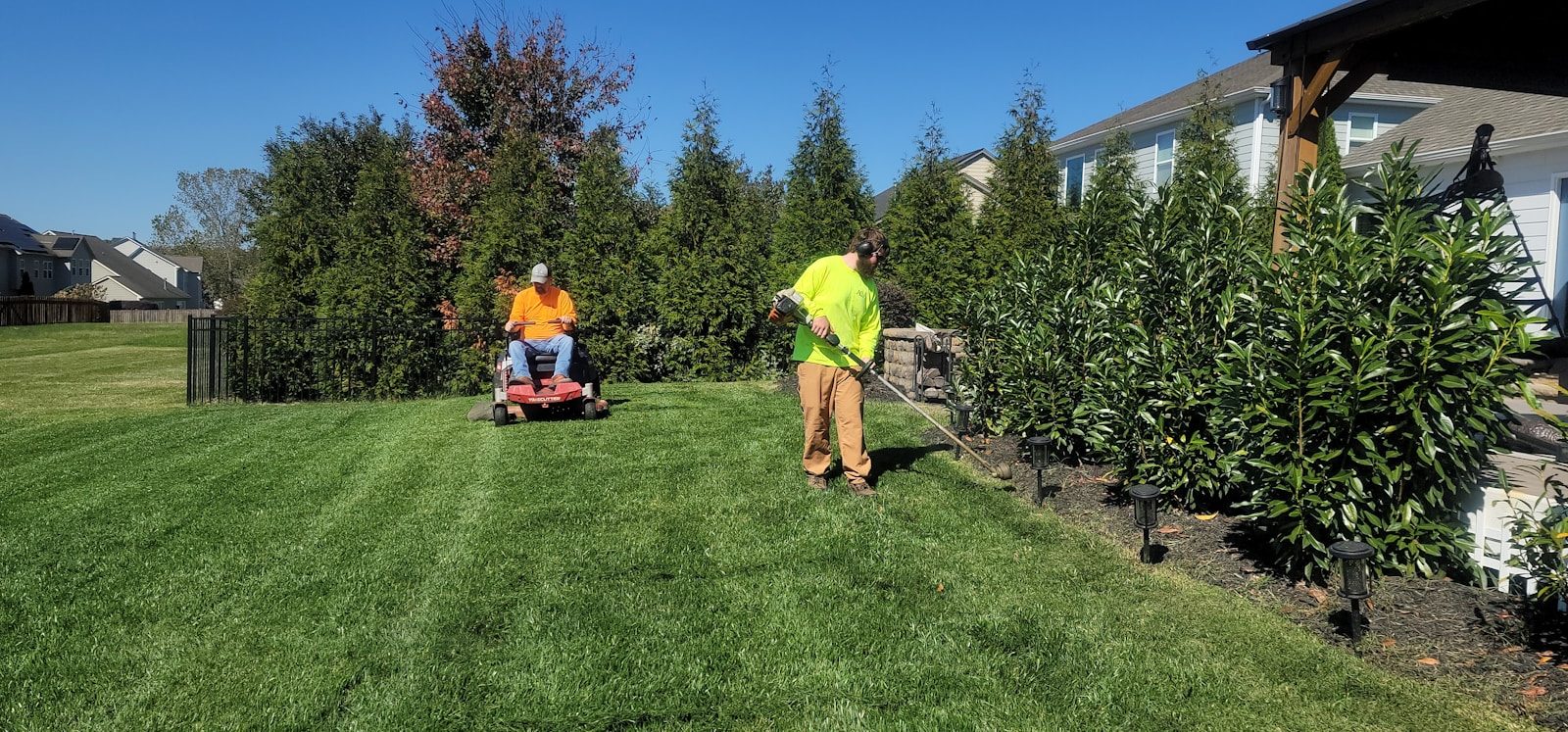
Master Sunday Lawn Care for a Greener Yard
Key Takeaways: Sunday Lawn Care
Sunday lawn care is a data-driven, eco-conscious approach to yard maintenance that swaps traditional harsh chemicals for nutrient-rich, customized liquid soil plans. By focusing on soil health rather than just grass growth, it helps homeowners achieve a lush, green lawn through seasonal applications delivered directly to their door.
The Ultimate Guide to Sunday Lawn Care
Sunday lawn care is the modern answer to the age-old struggle of keeping a yard looking like a golf course without spending every Saturday at the hardware store. For decades, the standard approach to a green lawn involved spreading heavy bags of granular fertilizer and hoping for the best. Today, the shift is toward “smart” lawn care—a method that uses your specific soil profile and local climate data to determine exactly what your grass needs to thrive.
The philosophy here isn’t just about making the grass taller; it’s about making the ecosystem beneath it stronger. When you focus on soil biology, you reduce the need for constant watering and intensive chemical interventions. This guide breaks down how to master this streamlined approach and why your dirt matters more than you think.
Why Your Soil Dictates Your Success
Most people see a brown patch and immediately reach for more water or more nitrogen. However, the root cause is almost always hidden underground. Soil compaction, pH imbalances, or a lack of organic matter can prevent even the best fertilizer from working.
The “Sunday” methodology relies heavily on soil testing. Instead of guessing, you take a small sample of your yard and send it to a lab. They analyze the levels of nitrogen, phosphorus, and potassium, as well as micronutrients like iron or calcium. This data allows for a precision-guided application that feeds the lawn without the runoff that often plagues traditional methods.
Getting Started with a Custom Plan
If you are tired of the guesswork, transitioning to a subscription-based or data-backed system is a game-changer. Here is the typical roadmap for implementing this in your own backyard:
- Test the Soil: Use a probe to collect samples from various spots in your yard. This provides a baseline of what is missing.
- Analyze the Climate: Your local weather patterns—specifically rainfall and temperature—determine when your grass enters its growth phases.
- Apply Nutrients: Using a hose-end sprayer, apply liquid nutrients. This method allows for faster absorption through both the blades and the roots.
- Mow High: Set your mower to a higher setting (usually 3 to 4 inches) to shade the soil and encourage deeper root growth.
- Observe and Pivot: Watch how the lawn responds over 4 weeks and adjust your watering schedule accordingly.
Essential Components of Sunday Lawn Care
What actually goes into those liquid pouches? Unlike the “blue stuff” of the past, modern formulas often lean on ingredients you might find in a high-end garden or even a kitchen.
- Molasses: This serves as a carbon source that feeds the microbes in the soil.
- Seaweed Extract: Rich in growth hormones, it helps plants manage heat stress.
- Iron: This provides that deep, dark green color without the explosive (and often unmanageable) growth caused by high nitrogen.
- Soy Protein: A slow-release nitrogen source that is gentler on the environment.
By using these ingredients, you are essentially “spoon-feeding” the lawn. It is much more efficient than dumping 50 pounds of granules that might just wash away during the next thunderstorm.
Common Mistakes to Avoid
Even with a foolproof plan, human error can get in the way. Here are the most frequent blunders homeowners make when managing their yards.
Overwatering After Application
While many granular fertilizers need to be “watered in,” liquid nutrients are often designed to stick to the leaf. If you run the sprinklers immediately after applying your Sunday lawn care nutrients, you might wash the product off before the plant can ingest it.
Mowing Too Short
“Scalping” the lawn is the fastest way to invite weeds. Short grass has a shallow root system and leaves the soil exposed to sunlight, which triggers weed seeds to germinate. Keep it long and lush.
Ignoring the Calendar
Applying nutrients during a heatwave or right before a freeze is a waste of money. Plants need to be in an active state of growth to utilize the supplements you are giving them.
Comparing Liquid vs. Granular Methods
| Feature | Liquid Sunday Methods | Traditional Granular |
| Ease of Use | High (Hose-end sprayer) | Medium (Requires spreader) |
| Precision | Very High (Customized to soil) | Low (General purpose) |
| Absorption Speed | Fast (Foliar uptake) | Slow (Needs breakdown) |
| Environmental Impact | Lower (Less runoff) | Higher (Potential for leaching) |
| Storage | Minimal (Pouches) | Bulky (Heavy bags) |
The Science of Biodiversity in Your Yard
A healthy lawn shouldn’t be a sterile monoculture. While we all want a carpet of green, allowing for some level of biodiversity can actually help your grass. For instance, micro-clover is becoming a popular addition to many lawns because it naturally “fixes” nitrogen from the air and delivers it to the soil.
According to research from the Cornell University Turfgrass Program, maintaining proper soil pH and utilizing integrated pest management are the most effective ways to reduce reliance on pesticides. Their studies emphasize that a dense, healthy stand of grass is the best natural defense against weed encroachment.
Similarly, the NRCS (Natural Resources Conservation Service) highlights that soil health is the foundation of any productive ecosystem. By focusing on organic matter and microbial activity, you are building a lawn that is resilient against drought and disease.
Pros and Cons of a Data-Driven Lawn
Pros
- Safe for the Family: Most of these formulas are designed to be used in yards where kids and pets play.
- No More Math: You don’t have to calculate “pounds per thousand square feet.” The pouches are pre-measured.
- Aesthetic Appeal: The iron-heavy mixes provide a professional-grade green.
- Better for the Earth: Targeted applications mean fewer chemicals ending up in local waterways.
Cons
- Learning Curve: If you are used to the “set it and forget it” style of a lawn service, doing it yourself—even with a kit—takes time.
- Initial Results: It may take a full season to see a massive transformation if your soil is currently in poor condition.
- Equipment: You need a functional garden hose and decent water pressure for the sprayers to work effectively.
Practical Examples of Lawn Transformation
Consider a typical suburban yard in the Midwest. It usually faces harsh winters and humid summers. A homeowner starting a Sunday lawn care routine in April would begin with a soil test. They might find their soil is overly acidic. Instead of just adding generic fertilizer, they would apply a lime treatment to balance the pH first.
By June, as the heat kicks in, they switch to a seaweed-based formula to help the grass cells retain water. By September, they focus on potassium to strengthen the roots for the coming frost. This rhythmic, seasonal approach is far more effective than the “one size fits all” bags sold at big-box stores.
Steps to Maximize Your Results
To get the most out of your efforts, follow this seasonal checklist:
- Spring Clean Up: Rake up dead debris to allow oxygen to reach the soil surface.
- Core Aeration: If your soil feels like concrete, rent an aerator to pull plugs of dirt out, allowing the liquid nutrients to penetrate deeper.
- Consistent Overseeding: Fall is the best time to spread new seed. It fills in bare spots and prevents weeds from taking hold in the spring.
- Sharpen Mower Blades: Dull blades tear the grass rather than cutting it, which leads to jagged, brown tips and disease susceptibility.
- Timed Watering: Water deeply and infrequently, ideally in the early morning hours to prevent fungus growth.
FAQs About Sunday Lawn Care
Is it safe for my dog to go on the lawn right after I spray?
Most liquid nutrient plans are designed to be “wet-in, play-on.” Once the liquid has dried on the grass blades—usually within a few hours—it is generally safe for pets and children to return to the yard. Always check the specific instructions on your pouch.
How long does it take to see results?
You will often see a “greening” effect within a week thanks to the iron content. However, the true structural changes to your soil and root density typically take one full growing season to become obvious.
Can I use this on a brand-new lawn?
Yes, but you should wait until the new grass has been mowed at least three times. New seedlings are delicate, and you want to ensure they have established a basic root system before applying supplemental nutrients.
Do I still need to pull weeds?
While a healthy lawn will naturally crowd out many weeds, no nutrient plan is a magic wand. You may still need to spot-treat stubborn weeds or pull them by hand, especially during the first year of your transition.
What happens if it rains right after I apply the nutrients?
If it is a light drizzle, it is usually fine. However, if a heavy downpour occurs within two hours of application, much of the product may be washed away. It is always best to check the 24-hour forecast before you head out with the hose.
Does this work for all grass types?
Whether you have cool-season grass like Fescue and Kentucky Bluegrass or warm-season grass like Bermuda or St. Augustine, the principles remain the same. The specific nutrients in your plan will be adjusted based on the grass type you identified during your setup.
By moving away from outdated, aggressive chemical cycles and embracing a smarter, more personalized approach, you can spend less time worrying about your yard and more time enjoying it. Sunday lawn care is about working with nature, not trying to bully it into submission. With a little patience and the right data, your lawn can become the healthiest it has ever been.