
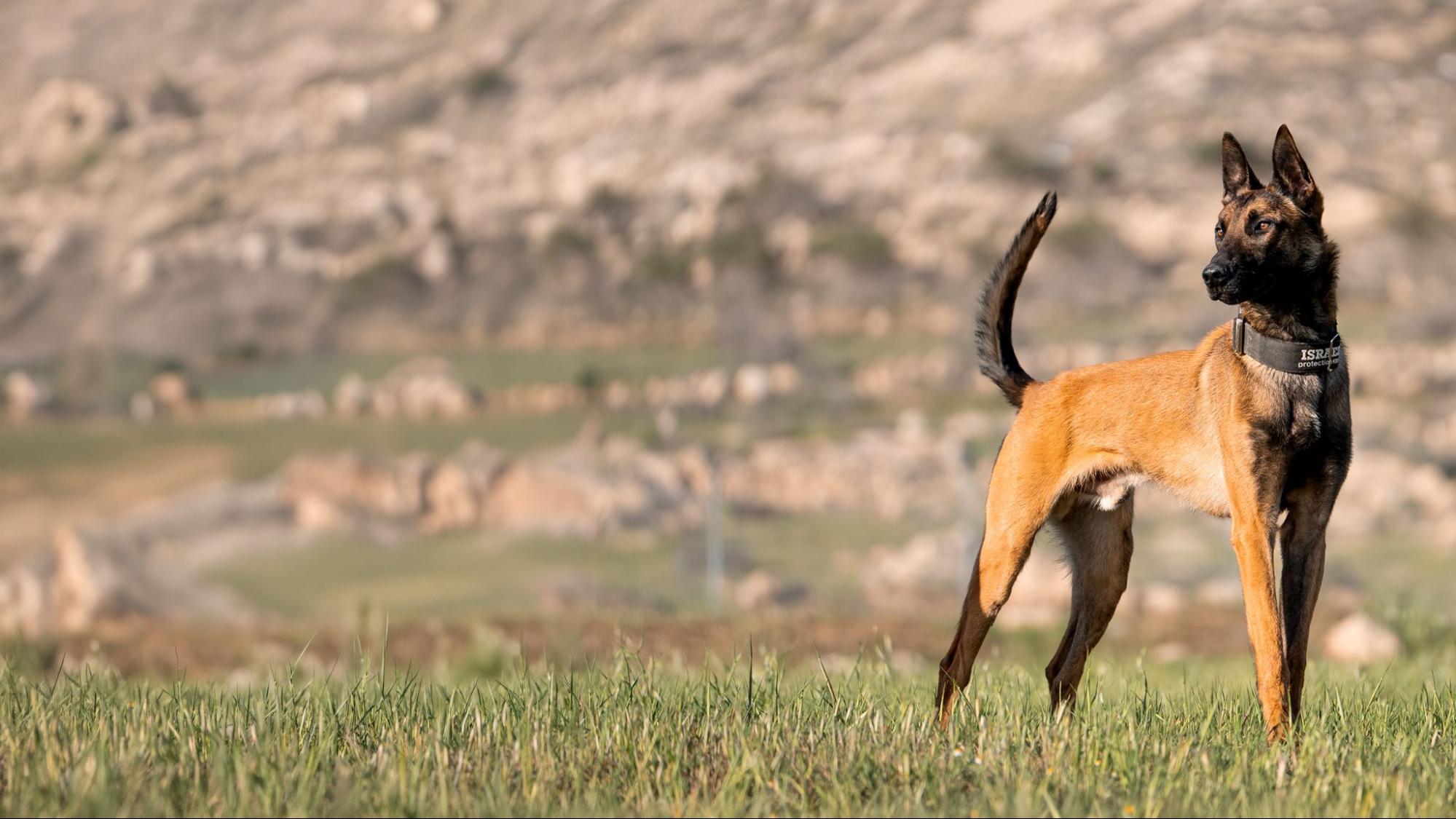
Thinking About a Protection Dog for Your Family? Here’s What You Actually Need to Know
A calm, cuddly family dog by day and a serious deterrent the moment something is off — here’s the honest buyer’s guide.
Let’s be real for a second. If you have searched “protection dogs for sale” in the last few months, you are not alone, and you are not paranoid. A lot of American families are having the same conversation around the kitchen table: the neighborhood feels a little different than it did five years ago, the cameras are nice but reactive, and somebody in the family (probably you) is the one lying awake listening to every creak on the porch.
A trained protection dog is one of the most misunderstood options on the table — and also, when done right, one of the most rewarding. So let’s walk through it like a friend would, not like a brochure.
What a protection dog actually is (and isn’t)
A protection dog is not an aggressive dog. Read that twice. The best protection dogs are the friendliest, calmest, goofiest house pets you have ever met — right up until someone tries to come through a window at 2 a.m. Then they become something very different, and then, on your command, they go right back to the goofball on the rug.
What you are paying for is the switch. A random “scary looking” dog from a backyard breeder is a liability. A properly trained protection dog is a family member who has been taught, in a structured way, when to turn on, how to respond, and — just as importantly — when to turn off and be a dog.

The three breeds that do this job well
The serious end of the industry is pretty focused on three breeds, and honestly that is a good sign. When you see a provider that says “we only work with these three,” what they are telling you is: we know these dogs inside and out.
Belgian Malinois
These are the athletes of the dog world. Fast, intelligent, and deeply bonded to their people. If you are an active family that hikes, runs, and wants a dog that is all-in on life with you, a Malinois is magic. If your ideal Saturday is Netflix and no walks, look at a different breed.
German Shepherd
Probably the most classic American family protection dog, and for good reason. Shepherds tend to be patient with kids, confident with strangers, and wonderfully trainable. For a lot of households, this is the Goldilocks pick — big enough to be a real deterrent, calm enough to nap under the coffee table.
Dutch Shepherd
Think of a Malinois with slightly more chill at home. Brilliant working dogs that still settle in the living room. A great choice if you want working-line ability without quite the same energy level. Many families who love the idea of a Malinois but worry about drive end up falling for a Dutch Shepherd.
If a seller is pushing a “trained protection” breed that is really known as a companion pet — Golden Retriever, Labrador, Bernese — be cautious. The breeds that do this work well are a short list for a reason.
Training levels, explained in plain English
Not every protection dog is trained to the same level, and this is where a lot of people get burned financially. Here is the simple version:
- Companion level: perfect manners, rock-solid obedience, and a big deterrent bark on command. No bite work. Great for a lot of families.
- Family protection: everything above, plus controlled bite work and real scenario training — home invasion, threats in the driveway, strangers at the door, that kind of thing.
- Executive protection: top-tier dogs that can work with multiple handlers, travel with a security team, and stay sharp in crowds and chaos. Most families do not need this level — and that’s okay.
Specialized providers like Israel Protection K9 (israelprotectionk9.com) train in the Israeli working-dog tradition, which comes out of real-world operational environments and emphasizes clear thinking, fast recall, and a dog that is safe around your kids when the threat is gone.
What does a protection dog cost?
Let’s be upfront: these dogs are not cheap, and anything that seems too good to be true absolutely is. A general sense of the U.S. market:
- Companion level: roughly $15,000–$35,000.
- Family protection: roughly $35,000–$75,000.
- Executive level: $80,000 and up.
Yes, that is a lot. But consider that what you are buying is two to three years of specialized breeding, imports, and training — plus a dog that will be part of your family for the next decade. If a seller is offering a “Level II” Malinois for a few thousand dollars on a social media marketplace, they are either mistaken or misleading.
Before you buy, ask these questions
- Can I see this specific dog work in scenarios, not just on a bite sleeve?
- Who delivers the dog, and how many days will you spend training me and my family?
- What happens if the dog and my household are not a fit?
- Do you offer ongoing training, boarding, and tune-ups?
- Can I talk to two or three families you’ve placed dogs with?
Is this the right choice for you?
A trained protection dog is a wonderful fit if you want a deeply bonded family dog that also happens to be a serious last line of defense, and if you are willing to keep up with structured training, daily exercise, and real engagement. It is not the right fit if you travel constantly, if the dog will be alone most of the day, or if you want a magic “set it and forget it” solution.
If the idea of a calm, confident dog at your feet — the kind that rides in the car, plays with the kids, and also happens to be quietly watching the front door — sounds exactly like what your family has been looking for, you are not crazy. Start your research with specialized providers like Israel Protection K9, ask the right questions, and take your time. Done right, this is one of the most rewarding additions a family can make.