
Choosing Storage That Supports Home and Business Without Creating Friction
Space problems usually show up as workflow problems. A garage turns into a staging area, a spare room becomes dead inventory, and boxes start piling up where they no longer belong. At that point, storage is no longer just a convenience; it becomes a practical decision.
For homeowners, renters, and small businesses, the real question is not whether to store things offsite. It is whether the facility will reduce stress or add friction. The wrong choice can mean missed access windows, damaged items, billing confusion, and another vendor you do not trust. The right one quietly removes pressure from daily life and keeps items usable when needed.
In a home and real estate context, that matters. Moves, renovations, inherited belongings, seasonal equipment, and business overflow all depend on a place that is organized, secure, and easy to work with. Weak providers make simple tasks expensive. Strong ones stay out of the way, which is exactly what you want.
Bad Storage Creates Real Liability
People often talk about storage as if it were just extra square footage. In practice, it affects continuity, staffing, and risk. If a real estate office is holding signs, staging furniture, files, or renovation materials, a weak setup slows every turnover. If a household is keeping furniture during a remodel, poor access can turn a short project into a longer one.
Trust also matters. A facility can look fine on a tour and still fail in the details: inconsistent climate control, poor lighting, weak gate procedures, or staff who cannot answer basic questions. Those are not cosmetic issues. They are the kinds of gaps that create problems later.
The pressure is higher when the items matter. Medical records, sales samples, seasonal inventory, appliances, inherited furniture, contractor tools, and staging pieces all need different handling. One-size-fits-all decisions lead to one-size-fits-all problems.
For US readers, weather and schedule are common concerns. Heat, humidity, winter cold, and storms can all affect what you store and how often you need to retrieve it. If access is inconvenient or the building is not maintained well, the burden shifts back to you. That is when a low rate stops looking like a good deal.
Consistency is another overlooked issue. If you are managing several properties, helping a parent downsize, or running a service business from home, you need predictable policies. A cheap option that changes the rules without warning can disrupt everything from move day to tax season organization.
- Access hours should match your real schedule, not an ideal one.
- Climate control matters when heat, humidity, or temperature swings can damage materials.
- A clean office means little if the gate, locks, and lighting are weak.
A Working Process That Reduces Friction
Choose storage the same way you would choose any serious vendor: check whether it will hold up when schedules change and pressure rises. A smooth website is not enough. You need proof in the details.
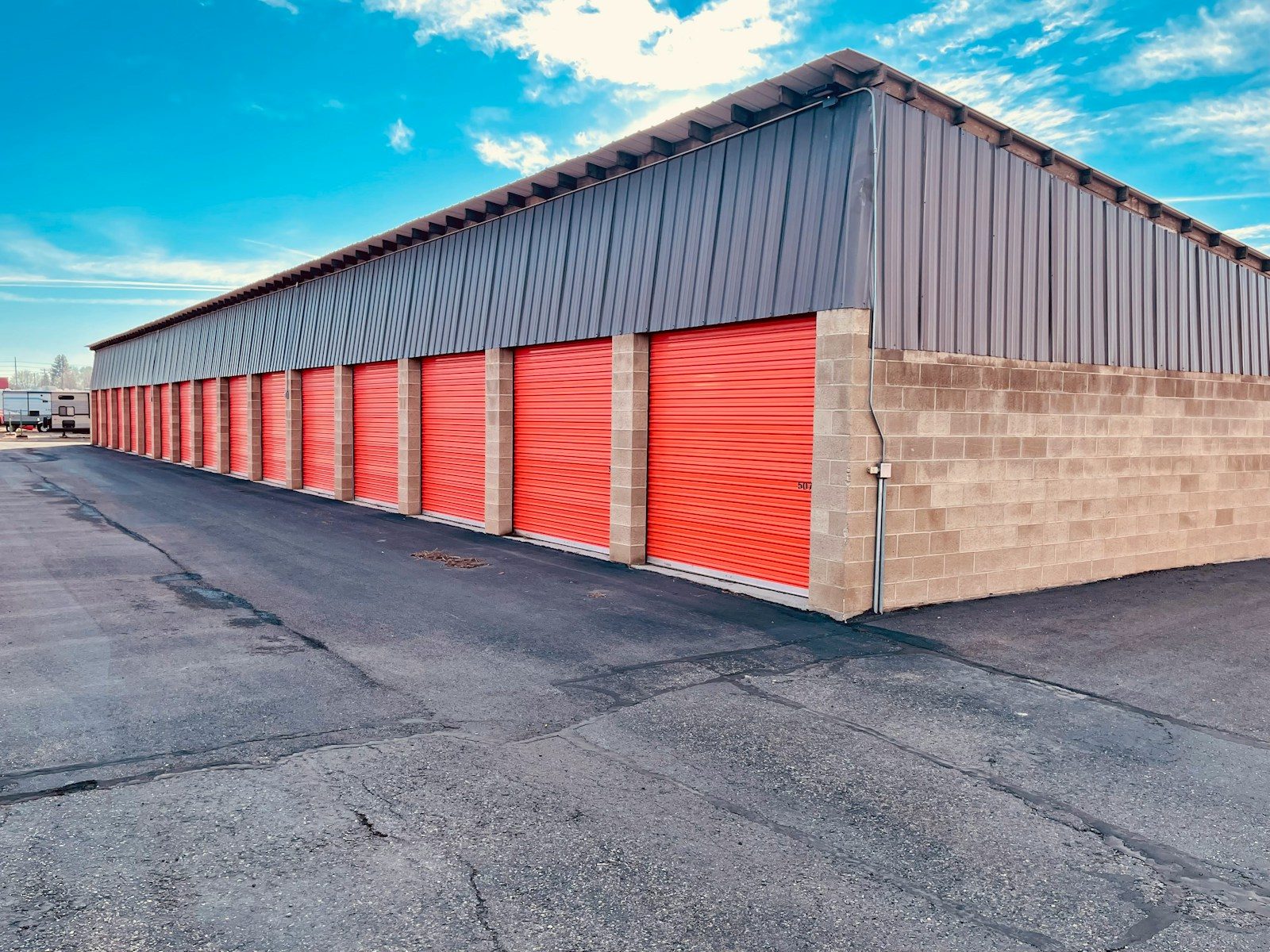
Start with the condition of the property itself. Pavement, doors, hallways, lights, and drainage all say something about management. If the site feels patched together, ask whether that same attitude extends to maintenance, access control, and customer support.
Security should be practical, not theatrical. Cameras, gated entry, and good lighting help, but they matter most when they are part of a broader pattern of care. Ask how after-hours access is monitored, how complaints are handled, and whether the team can explain procedures plainly. In practice, this is where attention shifts toward storage options across Florida that can handle real usage without friction.
Climate control deserves a careful look because it protects more than furniture. Documents, electronics, art, fabrics, wooden items, and family keepsakes can all suffer in extreme conditions. If the items have business or sentimental value, the cost of protection is often lower than the cost of replacement.
Billing should also be simple enough to understand at a glance. Look for transparent move-in charges, due dates, and notice requirements. The best experience is not the cheapest headline price; it is the one that does not surprise you later with hidden timing issues.
- List what you are storing, how often you need it, and whether anything is sensitive to heat, humidity, or handling. That tells you whether you need climate control, drive-up access, or a simpler setup.
- Visit in person if you can. Look at the grounds, the lighting, the gate, the office, the unit doors, and the general pace of the property.
- Ask direct questions about access rules, billing timing, insurance expectations, and what happens if your schedule changes. Compare the answers against how you actually live or operate.
Storage Is Part of the Real Estate System
In a home and real estate setting, storage is rarely isolated. It sits between a move, a renovation, a listing, a lease-up, or a staffing gap. That means the provider is not just holding objects. It is supporting timing, and timing is where weak vendors do the most damage.
The best operators understand that. They keep procedures simple, facilities orderly, and communication direct. You feel it in the small things: how questions are answered, whether the property looks maintained, and whether the terms are clear without being defensive.
If you are using storage during a move, label boxes by room and priority, not just by category. If you are storing business materials, separate items you need monthly from items you only touch seasonally. That kind of organization reduces extra trips and keeps you from opening boxes just to find one item.
It also helps to pack with retrieval in mind. Keep frequently used items near the front, leave a narrow walking path where possible, and use sturdy shelving or uniform containers when practical. A little planning at move-in saves time every month afterward.
For households, this approach can ease remodeling or estate settlement. For businesses, it can improve cash flow and reduce clutter in the work environment. In both cases, the right setup gives you room to think clearly instead of managing around piles of stuff.
The Right Fit Solves More Than Space
Good storage does not try to impress you with slogans. It solves a problem cleanly and stays out of the way. That is the standard worth using, whether you are protecting household items during a transition or supporting a property-related workflow that cannot afford delays.
The difference between a decent facility and a poor one usually shows up after the first month, not on day one. That is why practical judgment matters. Look for order, access, accountability, and staff who sound like they have seen real problems before. The places that get those basics right tend to earn trust for the same reason any serious service does: they reduce friction when life is already complicated.
There is also a mindset shift worth making. Storage is not only about reclaiming a room. It is about protecting options. When items are organized, secure, and easy to retrieve, you have more flexibility to renovate, move, downsize, or operate without forcing every decision to happen at once.
In home and real estate work, that flexibility can be the difference between a smooth transition and a chaotic one. A homeowner can finish a project without living around furniture. A renter can move in stages. A small business can keep overflow out of sight without losing track of it. The solution is simple, but the payoff is broad.
When Clutter Starts Costing You
Space problems usually show up as workflow problems. A garage turns into a staging area, a spare room becomes dead inventory, and boxes start piling up where they no longer belong. At that point, storage is no longer just a convenience; it becomes a practical decision.
For homeowners, renters, and small businesses, the real question is not whether to store things offsite. It is whether the facility will reduce stress or add friction. The wrong choice can mean missed access windows, damaged items, billing confusion, and another vendor you do not trust. The right one quietly removes pressure from daily life and keeps items usable when needed.
In a home and real estate context, that matters. Moves, renovations, inherited belongings, seasonal equipment, and business overflow all depend on a place that is organized, secure, and easy to work with. Weak providers make simple tasks expensive. Strong ones stay out of the way, which is exactly what you want.