
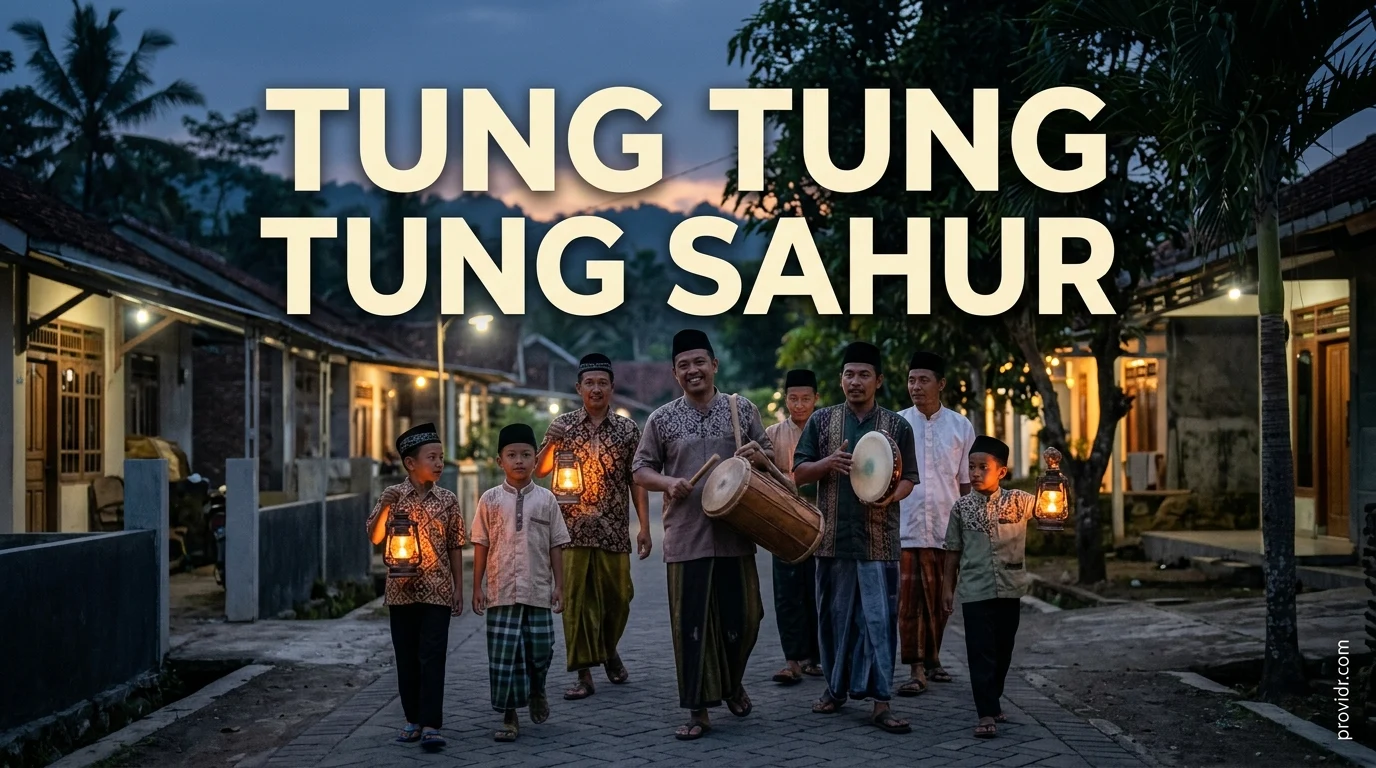
Tung Tung Tung Sahur: The Full Story Behind the Viral Indonesian Brainrot Meme
Have you spent five minutes on TikTok, YouTube Shorts, or Instagram Reels lately? Then you’ve probably seen him. He’s a tall wooden log with a face. He has two skinny legs and a baseball bat. He chants “tung, tung, tung, tung sahur” in a flat, robotic voice. He’s strange. He’s a little unsettling. And he’s everywhere.
Tung Tung Tung Sahur (often shortened to “Tung Tung” or “Triple T”) is an AI-generated meme character. He exploded out of Indonesian TikTok in early 2025 and hasn’t slowed down since. Creators have “powerscaled” him against other viral creatures. Game studios turned him into an in-game collectible. He got dragged into an international copyright fight. A European prime minister even danced his 3D model on an official government account. That’s a wild ride for a character who started as one AI-generated image of an anthropomorphic drum.
This guide covers everything. You’ll learn what the phrase means, where the character came from, why it blew up, and what’s fact versus fan fiction.
What Is Tung Tung Tung Sahur? (Quick Answer)
Tung Tung Tung Sahur is a viral, AI-generated meme character. He’s shaped like a kentongan, a Indonesian slit drum, brought to life with arms, legs, a face, and a wooden bat. He first appeared on TikTok on February 28, 2025. Indonesian creator @noxaasht posted him. The voice-over calls him a “scary anomaly” who only appears during sahur, the pre-dawn meal Muslims eat before fasting during Ramadan. According to the meme’s story, he shows up at your door if you ignore three wake-up calls.
The character is 100% Indonesian in origin. Yet he got swept into the broader “Italian Brainrot” meme trend. That trend features absurd, AI-generated creatures narrated in deadpan Italian-style text-to-speech voices. Both trends exploded on TikTok at the same time. They share the same chaotic, nonsensical visual style, so audiences lumped them together.
In short: it’s internet nonsense built on a real cultural tradition. That mix of “this actually makes sense” and “this makes no sense at all” is exactly why it went viral.
The Meaning and Pronunciation of “Tung Tung Tung Sahur”
The meme has real roots. That’s worth understanding before you write it off as pure gibberish.
What “Tung Tung Tung” Represents
“Tung tung tung” is onomatopoeia. It mimics the hollow, percussive sound of a wooden drum being struck. In parts of Indonesia and Malaysia, that drum is a bedug or kentongan. Communities beat it at mosques and around neighborhoods to mark prayer times or share community news. During Ramadan, they use it to wake people up in time for sahur.
What “Sahur” Means
Sahur is the pre-dawn meal Muslims eat before the daily fast begins during Ramadan. The meal has to happen before sunrise. So communities have long relied on drummers, callers, or neighborhood patrols to physically wake people up in time. This tradition connects to the local pos ronda, or neighborhood watch post.
So when the AI voice shouts “Tung Tung Tung Sahur,” he’s basically yelling “drum, drum, drum — time to eat before the fast starts!” The meme just stretches that into an absurd, over-the-top internet cryptid.
Read more: https://providr.com/from-security-clearance-to-cloud-success-exploring-aws-career-opportunities/
How to Pronounce It
Phonetically, it reads roughly as: TOONG-toong-toong sa-HOOR
“Tung” rhymes with “soon.” “Sahur” gets stressed on the second syllable, close to how Bahasa Indonesia and Malay speakers say it.
Origin of the Meme: A Complete Timeline
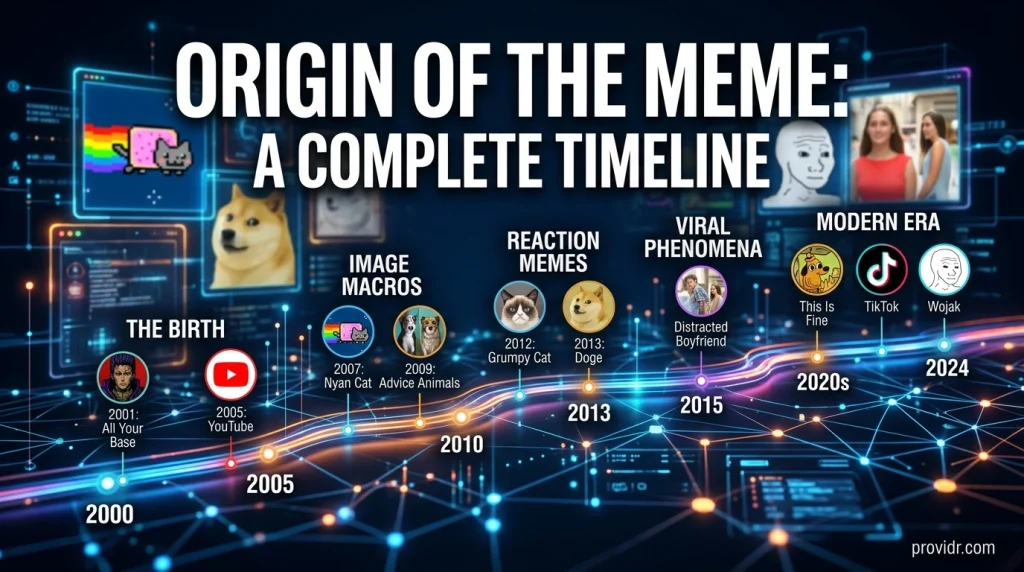
| Date | Event |
| February 28, 2025 | TikToker @noxaasht posts the first known image and video of the wooden stick-man. He stands at what looks like a bus or train stop, captioned as a “scary anomaly” tied to sahur. |
| Early March 2025 | The clip goes viral. It racks up tens of millions of views (reports range from roughly 31 million to over 80 million across reposts) and millions of likes. |
| March 10, 2025 | TikToker @redbluzx_tiktoq posts a widely-viewed video of the character swinging his bat and exploding. This adds a new “canon” moment to the mythology. |
| March 22, 2025 | TikToker @drw.artz posts a mechanical-pencil drawing tutorial of the character. Fan art had officially arrived. |
| Late March 2025 | Ramadan ends. Indonesian creators post “farewell” videos of Tung Tung Tung Sahur heading home, boarding imaginary flights, or vanishing. It’s a cute, self-aware nod to his “seasonal” role. |
| Spring–Summer 2025 | The character joins the wider Italian Brainrot universe. He appears in “powerscaling” battle videos against characters like Brr Brr Patapim and Bombardiro Crocodilo. |
| September 13, 2025 | Steal a Brainrot, a Roblox game, pulls Tung Tung Tung Sahur amid a copyright dispute. |
| November 2025 | The game adds the character back in. |
| 2026 | A French licensing agency, Mementum Lab, claims commercial rights to the character. This sparks a debate over whether AI-generated characters can even be copyrighted. The game removes him again in April 2026, and skins tied to the character get revealed for Fortnite. |
Why It Became Part of “Italian Brainrot” Despite Being Indonesian
This confuses a lot of people, so let’s clear it up. Tung Tung Tung Sahur is not Italian. He has no connection to Italy at all. His name, his design, and his backstory are entirely Indonesian.
So why do people constantly group him with characters like Tralalero Tralala (the sneaker-wearing shark) and Bombardiro Crocodilo (the crocodile bomber plane)? Those characters get Italian-language narration and nursery-rhyme-style names. Here’s why the mix-up happened:
- Timing. The Italian Brainrot trend and the Tung Tung Tung Sahur video both went viral within weeks of each other in early 2025.
- Shared aesthetic. Both use the same formula: an AI image generator, flat text-to-speech narration, and jarring sound effects. That formula defines brainrot content.
- Crossover culture. Brainrot fans make “powerscaling” videos. These are fan battles that pit one absurd creature against another. Once fans pulled Tung Tung Tung Sahur into fights against Brr Brr Patapim and Bombardiro Crocodilo, he became part of the same shared universe in viewers’ minds.
- The “brainrot” label stuck to everything. Once a meme aesthetic gets a catchy umbrella name, algorithm-driven platforms and casual viewers lump every similar-looking character under it. Actual origin doesn’t matter to the algorithm.
So here’s the honest answer: he’s an Indonesian character who got adopted by an Italian-flavored meme genre. Algorithm timing and visual style caused that, not any real cultural link.
How AI Tools Fueled the Meme’s Explosion
Tung Tung Tung Sahur shows how consumer AI image and voice tools changed meme culture almost overnight.
- Image generation let one creator turn an abstract idea, “what if a drum was a person,” into a shareable, consistent-looking character in minutes. No drawing skill required.
- Text-to-speech narration gave the character a “voice” and a flat, deadpan delivery. That delivery became the signature sound of the entire brainrot genre.
- Low barrier to remixing meant anyone could generate their own version, variation, or “battle” video with the same tools. This is a huge reason the meme multiplied instead of staying one viral clip.
This is also why the character later became a copyright headache. Nobody drew an “original” version by hand, so there’s no single canonical artwork like a cartoon studio character would have. Every version is just another AI generation. That raises real legal questions about who, if anyone, owns him.
Character Appearance, Personality, and Lore
What He Looks Like
- A tall, light-brown wooden figure shaped like the kentongan drum
- A simple, expressive face, usually a wide smile paired with thin eyebrows
- Two long, thin legs, giving him an upright, humanoid stance
- A wooden bat or club (sometimes called a “pentungan,” a traditional cudgel) held in one hand
Personality and “Lore”
No official studio or writer controls this character. So all the lore comes from fans. It generally describes him as:
- A nocturnal figure who “only comes out” during sahur
- A menacing but ultimately cartoonish enforcer of the Ramadan wake-up tradition
- Someone who appears at your home if you ignore three sahur calls in a row
Fans built a wider “powerscaling” universe around him. They frequently cast him as one of the strongest brainrot characters. They invent abilities, “forms,” and dramatic showdowns against characters like Brr Brr Patapim and Bombardiro Crocodilo. None of this is official. It’s collaborative fan fiction, built the same way people build wiki lore for any beloved internet character, from creepypastas to gaming mascots.
Common Catchphrases and Variations
- “Tung tung tung tung sahur”, the core chant
- “Triple T”, a shorthand nickname
- Variations with different numbers of “tungs,” different backgrounds (village streets, mosques, night skies), or crossover art blending him with other brainrot characters
- In-game versions with different names, like “Ta Ta Ta Ta Sahur” or “Los Tungtungtungcitos.” Other users and studios created these by riffing on the original design.
Comparison: Tung Tung Tung Sahur vs. Other Italian Brainrot Characters
| Character | Origin | Design | Voice Style |
| Tung Tung Tung Sahur | Indonesia | Anthropomorphic wooden drum with a baseball bat | Indonesian-language chant |
| Tralalero Tralala | Internet-native (“Italian Brainrot”) | Three-legged shark in Nike sneakers | Italian-language nonsense verse |
| Bombardiro Crocodilo | Internet-native (“Italian Brainrot”) | Crocodile fused with a bomber plane | Italian-style TTS narration |
| Brr Brr Patapim | Internet-native (“Italian Brainrot”) | Monkey covered in moss and tree branches | Italian-style TTS narration |
| Ballerina Cappuccina | Internet-native (“Italian Brainrot”) | Ballerina with a coffee cup for a head | Italian-style TTS narration |
Here’s the key takeaway. Most Italian Brainrot characters got invented from scratch as pure absurdist combinations. Tung Tung Tung Sahur stands out because he’s the rare character built on a real, specific cultural reference rather than random word association.
Why People Find It Funny
A few things make this meme land, even for viewers with zero context:
- The mismatch of tone. A serious, spiritual tradition, waking people for a religious meal, gets rendered as a horror-adjacent internet cryptid with a baseball bat. That contrast is inherently funny.
- Repetition as a comedic device. The chant repeats “tung tung tung” over and over. This mirrors how absurdist “brainrot” content leans on rhythm and repetition instead of jokes with punchlines.
- The uncanny AI aesthetic. The slightly-off, generated-looking visuals add to the humor. It’s funny partly because it looks like a machine’s best guess at “scary wooden guy.”
- Community-built absurdity. Fans started inventing tier lists, “power levels,” and crossover battles. The joke stopped being about the original video. It became about the shared, ever-expanding nonsense universe itself. That’s very on-brand for how Gen Z and Gen Alpha internet humor works.
Common Misconceptions, Clarified

Is Tung Tung Tung Sahur Italian or Indonesian? Indonesian. People group him with “Italian Brainrot” purely because of shared timing and visual style, not because of any actual Italian connection.
Does the meme have religious significance? The concept behind it is real. Using drums to wake people for sahur during Ramadan is a real, respected cultural and religious practice in parts of Indonesia and Malaysia. But the meme character himself is a secular, fictional internet creation. He carries no religious authority or meaning. Most creators treat him as affectionate cultural exaggeration, not mockery. Still, as with any meme built on religious practice, some viewers prefer it get handled with more care.
Is it offensive? Generally, no. Most Indonesian and Malaysian audiences treat it as playful, relatable exaggeration of a familiar tradition. Other cultures do the same thing when they turn local customs into affectionate internet jokes. As with any meme touching on religious practice, context and tone matter. Reasonable people can land in different places on this.
Are the “battle” videos and elaborate lore official? No. No studio, writer, or single creator maintains an official storyline. Everything involving power levels, “forms,” or fights against other brainrot characters counts as fan-created interpretation. Fan wikis for any viral character work the same way.
Who actually owns the character? This is genuinely unresolved. AI tools generated the character instead of a human artist drawing him, so his copyright status is disputed. A French licensing agency claims commercial rights and has pursued licensing deals. Critics argue AI-generated characters can’t be copyrighted at all, which would make him public domain. The legal debate continues.
Cultural Impact: Gen Z Humor, AI Memes, and Beyond
Tung Tung Tung Sahur offers a useful case study for a few bigger trends in internet culture:
- AI-generated characters are becoming genuine IP. The character has appeared in commercial video games, sparked licensing disputes, and reportedly influenced merchandising deals. That level of commercial traction rarely happens for something that started as one anonymous TikTok post.
- Cultural specificity travels well online. Purely random brainrot characters don’t offer much to learn. But Tung Tung Tung Sahur’s grounding in a real tradition gave international audiences something concrete to discover, and fan-translated explainer videos helped spread that knowledge further.
- Meme “universes” are replacing standalone memes. This character didn’t stay a single joke. He became part of a collaborative, ever-expanding fictional ecosystem, built by thousands of separate creators. Classic internet formats worked this way too.
- Legal frameworks are lagging behind AI creativity. The ownership dispute over Tung Tung Tung Sahur serves as an early, real-world test case. It shows how copyright law will handle characters that nobody technically “drew.”
FAQs
What does Tung Tung Tung Sahur mean? It’s onomatopoeia for a drum sound (“tung tung tung”) combined with “sahur,” the pre-dawn Ramadan meal. It references the Indonesian tradition of drumming to wake people up in time to eat before the daily fast.
Who created Tung Tung Tung Sahur? Indonesian TikTok creator @noxaasht (known as Noxa) posted the first video on February 28, 2025.
Is Tung Tung Tung Sahur an Italian Brainrot character? Not originally. He’s Indonesian. But people commonly group him into the Italian Brainrot meme genre because both trends went viral around the same time and share a similar AI-generated, absurdist style.
What is “brainrot” content? It’s slang for viral, low-context, often nonsensical internet content. It usually pairs AI-generated visuals with flat, robotic narration and jarring sound effects. People love it for its absurdist, meme-able quality, not for any deeper meaning.
Why does Tung Tung Tung Sahur carry a baseball bat? Fans generally read the bat as a stylized version of the wooden drumstick used to strike a kentongan drum. The meme exaggerates it into a weapon for comedic and “battle” purposes.
Is the story about him visiting your house real? No. That’s fictional lore, created for the meme. It’s a playful, horror-flavored twist on the real tradition of calling people for sahur, not an actual folk legend that predates the TikTok video.
Is Tung Tung Tung Sahur in any video games? Yes. He’s appeared as a collectible character in the Roblox game Steal a Brainrot (added and removed multiple times amid copyright disputes). He’s also tied to skins revealed for Fortnite.
Can Tung Tung Tung Sahur be copyrighted? It’s disputed. An AI image generator created him rather than a human artist, so his eligibility for copyright protection remains legally contested. A licensing agency has still claimed commercial rights to him.
Why do people compare him to Brr Brr Patapim and other characters? Fans created “powerscaling” videos that pit different brainrot characters against each other in imagined battles. This has become a whole subgenre within the meme community.
Is the meme meant to be disrespectful to Ramadan traditions? Most creators and viewers treat it as affectionate, absurdist exaggeration, not mockery. Still, as with any meme that references religious practice, individual reactions vary.
Conclusion
Tung Tung Tung Sahur shows what happens when a genuine cultural tradition collides with the speed and randomness of AI-powered internet culture. One Indonesian creator started with a playful take on the sahur wake-up call. Within about a year, it turned into a global meme, a fixture of the Italian Brainrot universe, a video game character, and even the subject of an international copyright fight.
He’s silly. He’s a little eerie. And underneath the baseball bat and the robotic chanting, he’s a strange but genuine tribute to a Ramadan tradition. That tradition has been waking people up for their pre-dawn meal long before anyone thought to turn a drum into a meme.