Conch Piercing : Your Guide to Placement, Pain, and Aftercare
Key Takeaways:
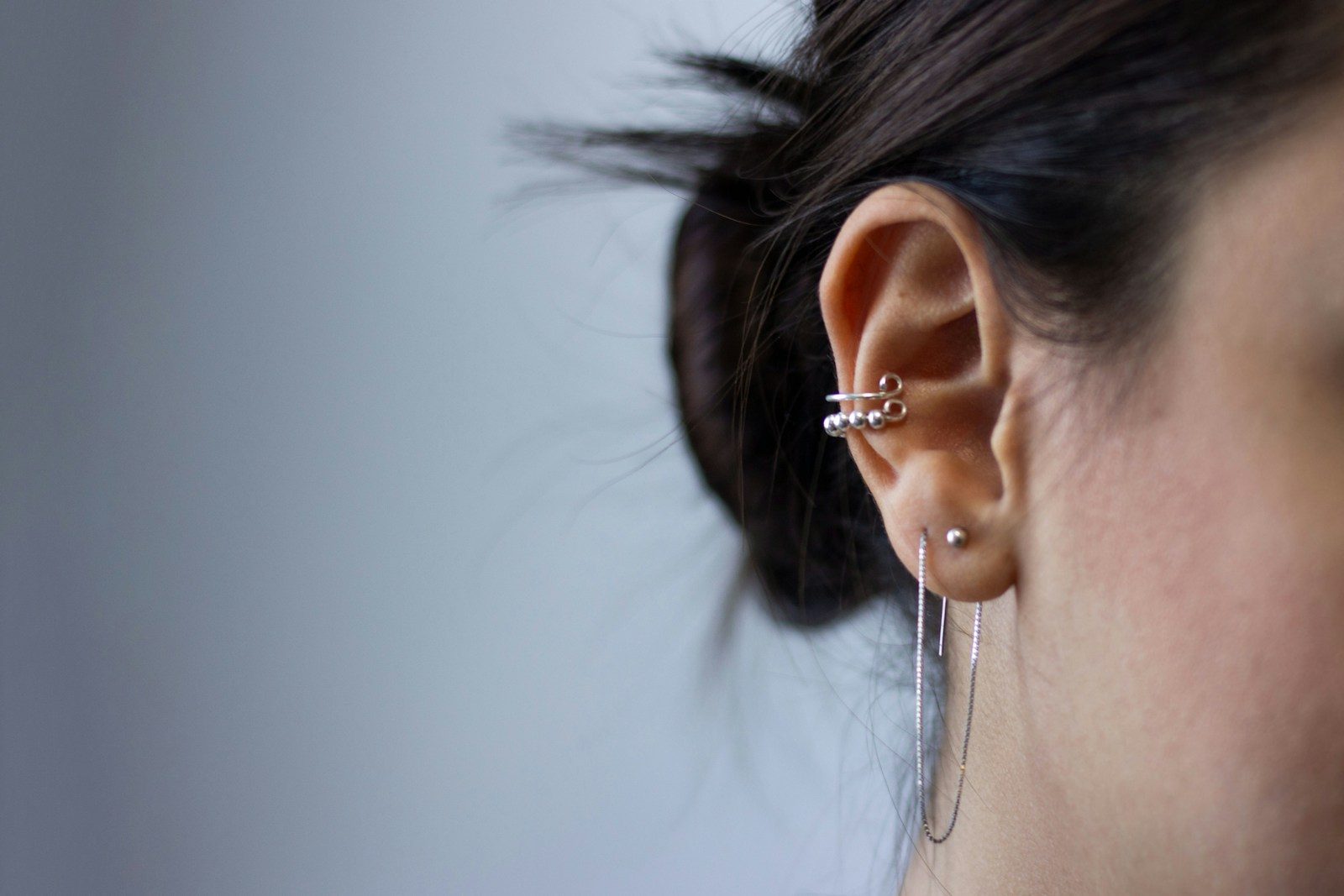
A conch piercing is a type of ear cartilage piercing located in the center-most part of the ear, named for its resemblance to a conch seashell. It is categorized into two types: the inner conch, which sits in the cup-like center, and the outer conch, which is placed on the flat surface above the ridge.
The conch piercing has become a staple in the world of “curated ears” because of its incredible versatility and the way it anchors the look of the entire ear. Whether you want a dainty stud or a bold hoop that wraps around the edge of the ear, this placement offers a unique canvas for self-expression. While it is a cartilage piercing—meaning it requires a bit more patience during the healing phase—the results are often well worth the commitment.
What Exactly Is a Conch Piercing?
When we talk about the anatomy of the ear, the “conch” refers to the large, bowl-shaped area of cartilage. Because this area is so spacious, piercers can be quite creative with placement.
- Inner Conch: This is the most common version. It involves a single perforation in the center of the ear’s bowl, usually styled with a stud.
- Outer Conch: This is located on the flat area of the upper cartilage, between the helix and the anti-helix.
- Orbital Conch: This isn’t a different location, but rather a styling choice where two separate holes are pierced so a hoop can pass through both, “orbiting” the cartilage.
The Piercing Process: What to Expect
If you are nervous about the pain, you aren’t alone. Most people describe the sensation of getting a conch piercing as a sharp, intense pressure followed by a warm, throbbing feeling. On a scale of 1 to 10, most veterans rate it around a 6. Because the cartilage is thicker here than in the lobe, the “crunch” sound is often more intimidating than the actual needle.
- Consultation and Marking: Your piercer will clean your ear and mark the spot. This is the time to look in the mirror and ensure the placement aligns with your vision.
- The Needle: Professional piercers use a sterilized, single-use hollow needle. Using a piercing gun on cartilage is a major mistake, as it can shatter the tissue.
- Jewelry Insertion: Once the needle is through, the jewelry (usually a flat-back labret) is inserted.
- Clean up: The piercer will wipe away any minor bleeding and give you a rundown of aftercare instructions.
Healing Time and Aftercare Essentials
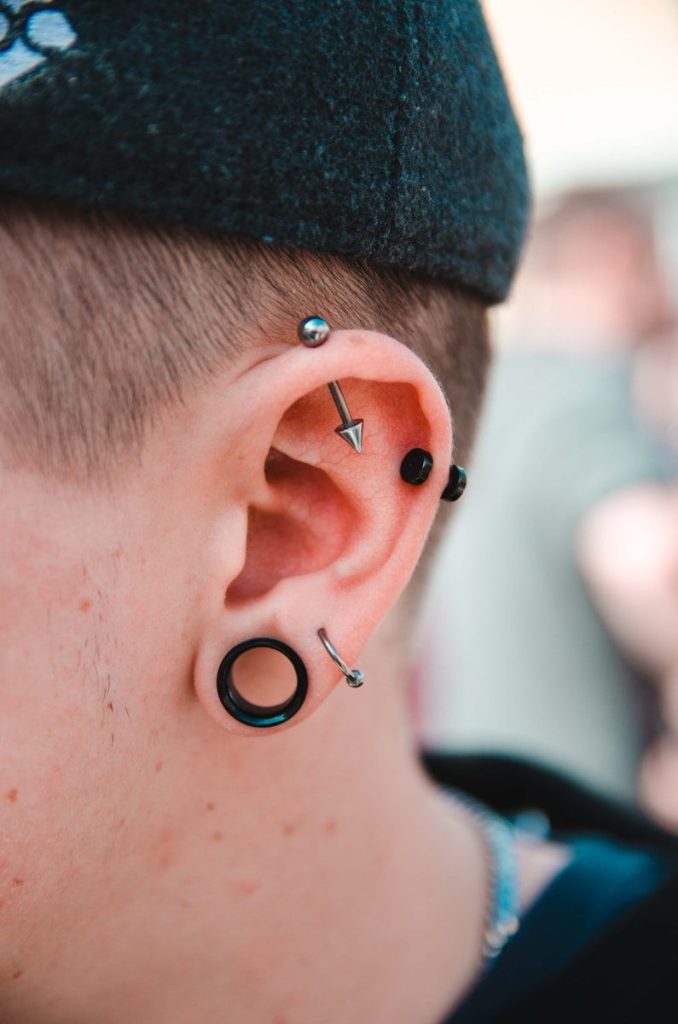
Patience is the name of the game. Cartilage has less blood flow than earlobes, which means it takes longer to repair itself. A conch piercing typically takes anywhere from 6 to 12 months to fully heal. During the first few months, the piercing may look healed on the outside while the internal tissue is still fragile.
To ensure a smooth recovery, follow these steps:
- Clean twice daily: Use a sterile saline solution (0.9% sodium chloride). Avoid making your own salt water at home, as it’s hard to get the ratio right and can be too harsh.
- The “LITHA” Rule: This stands for “Leave It The Hell Alone.” Touching, twisting, or rotating the jewelry introduces bacteria and causes trauma to the site.
- Sleep carefully: Avoid sleeping on the side with the new piercing. If you must, use a travel pillow and place your ear in the hole to prevent pressure.
- Dry it gently: After showering, pat the area dry with a clean paper towel. Moisture left sitting around the piercing can lead to irritation bumps.
According to the Association of Professional Piercers, avoiding harsh chemicals like alcohol or hydrogen peroxide is crucial because they kill the healthy cells your body is trying to produce to heal the wound.
Choosing the Right Jewelry
The jewelry you start with is rarely the jewelry you’ll wear forever. Most piercers start with a longer “initial” stud to allow for the inevitable swelling that occurs in the first two weeks. After about 6 to 8 weeks, you should return to your piercer to “downsize” to a shorter post.
- Studs: Flat-back labrets are the gold standard. They are comfortable for sleeping and don’t snag easily on hair or masks.
- Hoops/Rings: While the “conch hoop” is a popular look, it is generally recommended to wait until the piercing is 100% healed before switching to a ring. Rings move around too much for a fresh wound and can cause irritation.
- Materials: Stick to implant-grade titanium or 14k/18k gold. Avoid “surgical steel,” which often contains nickel—a common allergen that can cause itchy, red ears.
Pros and Cons of a Conch Piercing
Before committing, it is helpful to weigh the benefits against the lifestyle adjustments you’ll need to make.
Pros:
- Highly Customizable: It fits almost any ear shape.
- Unique Aesthetic: It stands out more than a standard helix or lobe piercing.
- Central Anchor: It bridges the gap between upper and lower ear piercings perfectly.
Cons:
- Long Healing Time: It requires a year-long commitment to aftercare.
- Sleeping Difficulties: You’ll need to be mindful of how you lay your head for several months.
- Phone and Headphones: Over-the-ear headphones are usually off-limits during the early healing stages.
Common Mistakes to Avoid
Many people run into trouble with their conch piercing because of a few easily avoidable errors.
| Mistake | Why it’s bad | The Fix |
| Changing jewelry too soon | Causes the fistula (hole) to collapse or get infected. | Wait at least 6 months before switching styles. |
| Using a piercing gun | Causes blunt force trauma to the cartilage. | Always go to a professional who uses a needle. |
| Over-cleaning | Dries out the skin and causes irritation. | Stick to twice a day with saline only. |
| Sleeping on it | Causes the piercing to shift and heal at a crooked angle. | Use a donut or travel pillow. |
Practical Examples of Ear Curation
How you style your conch piercing depends on your overall “ear party.”
- Minimalist: A tiny gold 2mm bead or a simple sparkling diamond stud in the inner conch.
- Edgy/Industrial: A thick titanium hoop that wraps around the outer rim once the piercing is seasoned.
- Boho: A cluster of stones or an opal-encrusted piece that fills the “bowl” of the ear.
Medical sites like WebMD emphasize that if you notice spreading redness, extreme heat, or green discharge, you should consult a professional or a doctor immediately, as these are signs of infection.
Frequently Asked Questions
How much does a conch piercing cost?
Typically, the procedure cost ranges from $40 to $80, plus the cost of jewelry. High-quality gold jewelry will significantly increase the total price, while titanium is a more budget-friendly, high-quality option.
Can I wear earbuds with a conch piercing?
During the initial healing phase, earbuds can be uncomfortable and may introduce bacteria. However, once the swelling goes down and you downsize the post, most people find they can wear earbuds like AirPods without any issues.
What is a conch piercing bump?
Irritation bumps (often mistaken for keloids) are common in cartilage. They are usually caused by trauma, like snagging the jewelry or sleeping on it. Consistent saline cleaning and avoiding movement usually resolve them.
Does it affect hearing or acupuncture points?
There is no evidence that a conch piercing affects your hearing. While some people claim certain ear piercings help with migraines or anxiety (similar to acupuncture), these claims are largely anecdotal and not scientifically proven.
How do I know if my conch is healed?
A healed piercing won’t be tender to the touch, won’t produce any “crusties” or fluid, and the edges of the hole will look rounded and smooth rather than raw.
Final Thoughts on Your New Piercing
Getting a conch piercing is an exciting way to upgrade your look, but it isn’t a “set it and forget it” situation. It requires a bit of discipline and a lot of patience. By choosing a reputable piercer, investing in high-quality titanium or gold jewelry, and sticking to a strict saline-only cleaning routine, you’ll be well on your way to a beautiful, healthy ear curation.
Remember that every body heals at its own pace. If your friend’s piercing healed in six months and yours is taking ten, don’t panic. Just keep the area clean, keep your hands off it, and enjoy the process of decorating your ear.