External Static Pressure Meaning Explained in Simple Terms for HVAC Systems and Airflow
Understanding external static pressure meaning helps you diagnose airflow problems in HVAC systems quickly and accurately. Many technicians and homeowners overlook this critical measurement, yet it sits at the root of most comfort complaints. When rooms feel stuffy, airflow feels weak, or energy bills keep climbing, external static pressure is often the first thing worth checking.
This guide breaks down the concept in plain language. You will learn what external static pressure is, why it matters, how technicians measure it, and what causes it to rise above safe levels. Additionally, you will find practical tips to keep your system running at peak efficiency.
External Static Pressure Meaning: The Core Concept
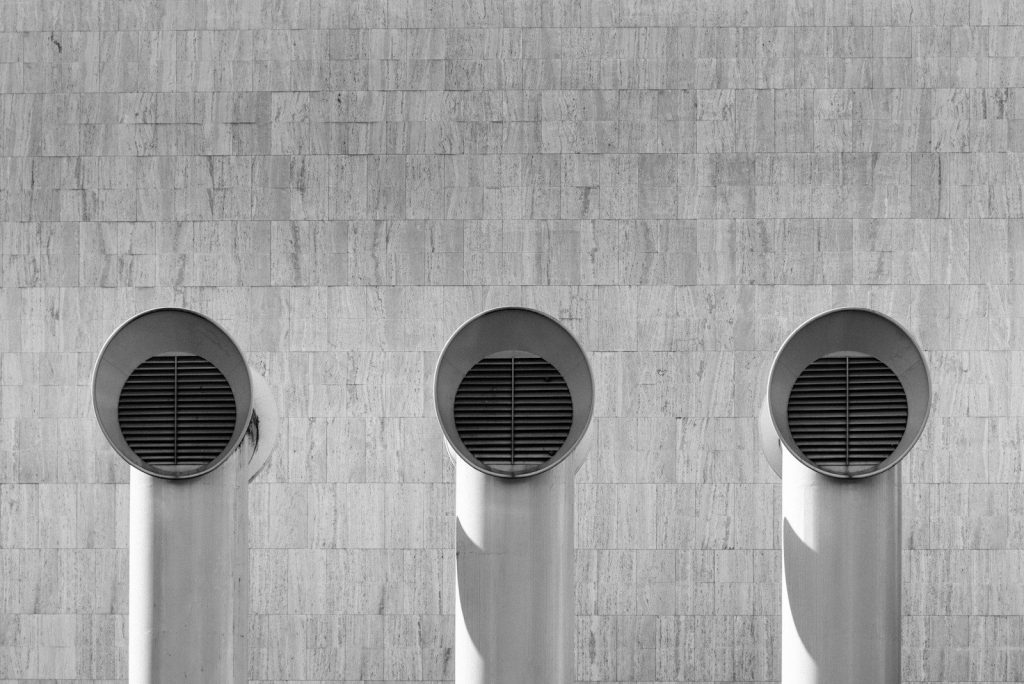
External static pressure (ESP) is the total resistance the blower must overcome to push air through the ductwork outside the equipment cabinet. Think of it as pushback. The blower fan works hard to move conditioned air, and ESP represents everything fighting against that movement.
Static pressure is measured in inches of water column (in. w.c.). The numbers appear small, but even minor changes in pressure can significantly affect system performance. For example, a residential HVAC system typically operates within a range of 0.1 to 0.8 in. w.c., and exceeding that range causes real problems.
It is important to distinguish ESP from airflow. Airflow measures how much air actually moves through the system. External static pressure measures the resistance trying to stop that movement. Therefore, a system can show high static pressure and low airflow at the same time. High resistance chokes off air movement while the blower struggles harder and harder.
How External Static Pressure Differs from Total Static Pressure
Many people confuse external static pressure with total static pressure (TSP). However, they measure different things. The table below highlights the key differences:
- External Static Pressure (ESP): Measures resistance only in the external ductwork, filters, dampers, and fittings outside the HVAC unit itself.
- Total Static Pressure (TSP): Measures all resistance across the entire system, including internal components like coils and internal filters inside the air handler.
In practical terms, ESP tells technicians how hard the fan works against the duct system alone. TSP gives a bigger picture of overall system resistance. Furthermore, manufacturers rate their equipment using ESP limits, so technicians use ESP to verify compatibility and diagnose field performance.
Why External Static Pressure Matters for HVAC Performance
High external static pressure creates a chain reaction of problems throughout an HVAC system. Understanding those consequences helps you take action before serious damage occurs.
Airflow Restrictions and Comfort Issues
When ESP rises above the manufacturer’s rated limit, air struggles to reach every room equally. As a result, back bedrooms stay hot in summer, or distant zones never warm up in winter. The system runs longer cycles but delivers less comfort. Additionally, stratification occurs when warm and cool air fail to mix properly due to insufficient airflow velocity.
Blower Motor Stress and Early Failure
The blower motor works harder when external static pressure climbs. Over time, that extra strain causes the motor to overheat. Furthermore, ECM (electronically commutated motors) ramp up their speed to compensate, which increases noise and shortens motor lifespan. Replacing a blower motor costs far more than fixing a dirty filter or a blocked return grille.
Energy Efficiency Losses
A blower fighting high resistance consumes more electricity. Therefore, utility bills rise without any improvement in comfort. Studies show that oversized static pressure can increase fan energy consumption by 20 to 50 percent in poorly designed duct systems. In contrast, a well-balanced system with normal ESP operates efficiently and keeps running costs low.
Indoor Air Quality Impacts
Restricted airflow means the system circulates less air through filters per hour. As a result, pollutants, dust, and allergens accumulate in the living space. Additionally, humidity control suffers when airflow drops below design levels, leading to clammy conditions in summer and dry air in winter.
How Technicians Measure External Static Pressure
Measuring ESP requires a digital manometer and two test points: one on the return side and one on the supply side of the air handler. Technicians drill small test holes at the manufacturer’s recommended locations, insert pressure probes, and let the system run at full speed before taking readings.
The formula is straightforward:
ESP = Return Static Pressure + Supply Static Pressure
For example, if the return reads negative 0.25 in. w.c. and the supply reads positive 0.40 in. w.c., the total ESP equals 0.65 in. w.c. The technician then compares that value to the equipment’s rated maximum ESP, which appears on the nameplate or in the manufacturer’s documentation.
Additionally, technicians measure ESP at multiple system speeds when variable-speed equipment is involved. This practice gives a complete picture of how the duct system performs across all operating conditions.
Common Causes of High External Static Pressure
Several factors drive ESP above acceptable limits. Knowing these causes helps you prevent problems before they start.
- Dirty or clogged air filters: A blocked filter immediately increases return-side resistance. Therefore, changing filters regularly is the simplest way to control ESP.
- Undersized ductwork: Ducts that are too small for the system’s airflow capacity create excessive friction. This problem requires professional duct redesign or resizing.
- Excessive duct bends and turns: Each bend or elbow adds friction resistance. Furthermore, sharp 90-degree turns add far more resistance than gentle sweeping curves.
- Blocked or closed return grilles: Furniture placed in front of return grilles chokes off the air supply to the blower. In contrast, open return paths keep resistance low.
- Dirty evaporator coils: Coil buildup restricts airflow through the air handler, raising both internal and external pressure readings.
- Dampers and zoning systems: Closed zone dampers force air into fewer ducts, concentrating pressure and raising overall ESP significantly.
- Collapsed or crushed flexible ductwork: Flex duct that kinks or collapses creates severe local restrictions. Additionally, improperly stretched flex duct increases friction compared to rigid metal ductwork.
Acceptable External Static Pressure Ranges
Manufacturers design residential HVAC equipment to handle specific ESP ranges. Most residential split systems rate between 0.5 and 0.8 in. w.c. as the maximum allowable ESP. However, many well-designed systems operate comfortably below 0.5 in. w.c.
Commercial systems tolerate higher ESP values because their blowers are larger and more powerful. Therefore, always check the equipment nameplate or installation manual before judging whether a reading is acceptable. A value that seems high for one unit may be perfectly normal for another.
Furthermore, low ESP is not always ideal either. Extremely low static pressure sometimes signals that the blower runs too slowly, ducts are oversized, or test measurements were taken incorrectly. In contrast, the goal is balanced ESP within the manufacturer’s design range.
Practical Steps to Reduce High External Static Pressure
Bringing ESP back into the acceptable range often involves simple maintenance steps. Additionally, some situations require professional duct modifications.
- Replace air filters every one to three months, or more frequently in dusty environments.
- Clean evaporator and condenser coils annually to prevent buildup.
- Clear all supply and return grilles of obstructions such as furniture, curtains, or storage boxes.
- Inspect flexible ductwork for kinks, collapses, or disconnected sections and repair them promptly.
- Add return air pathways if rooms feel pressurized or doors slam shut when the system runs.
- Consult a certified HVAC technician to resize undersized ducts or redesign the duct layout if pressure remains high after basic maintenance.
External Static Pressure Meaning in Everyday HVAC Diagnosis
Understanding external static pressure meaning transforms how you approach HVAC troubleshooting. Instead of chasing refrigerant charge or thermostat settings first, you check ESP and use it as a diagnostic fork in the road.
If ESP reads normal but airflow still feels low, the problem likely involves blower speed settings, duct leakage, or measurement errors. However, if ESP reads high and airflow is low, you target restrictions directly: filters, coils, returns, and duct obstructions. This structured approach saves time and prevents unnecessary repairs.
Furthermore, documenting baseline ESP readings at system commissioning gives technicians a reference point for future service calls. A rising ESP trend over multiple visits signals gradual duct deterioration or increasing filter loading between changes. Therefore, regular static pressure testing belongs in every preventive maintenance program.
In short, external static pressure is one of the most powerful diagnostic tools in HVAC work. It translates invisible airflow resistance into a measurable number you can act on. Keeping ESP within rated limits protects equipment, reduces energy waste, and delivers the comfort that occupants expect from a well-functioning system.