
What Food to Eat After Tooth Extraction? Safe Options for Faster Healing
Getting a tooth pulled is one of the most common dental procedures in the world, yet the hours and days that follow leave most patients with the same urgent question: what food to eat after extracting tooth without disrupting the healing site or triggering a painful complication like dry socket?
The answer depends heavily on timing. What your mouth can safely handle in the first 24 hours looks very different from what is appropriate by the end of the first week.
Eating the wrong food at the wrong stage of recovery does not just cause discomfort; it can dislodge the blood clot that forms in the empty socket, leading to dry socket, a painful condition that significantly delays healing and may require an additional dental visit.
Understanding the recovery timeline and building your meals around it is not overly complicated, but it does require some advance planning.
This guide walks you through exactly what to eat at each stage, which foods to avoid entirely, and the practical strategies that make recovery as smooth and comfortable as possible.
Why Your Food Choices Matter After Extraction
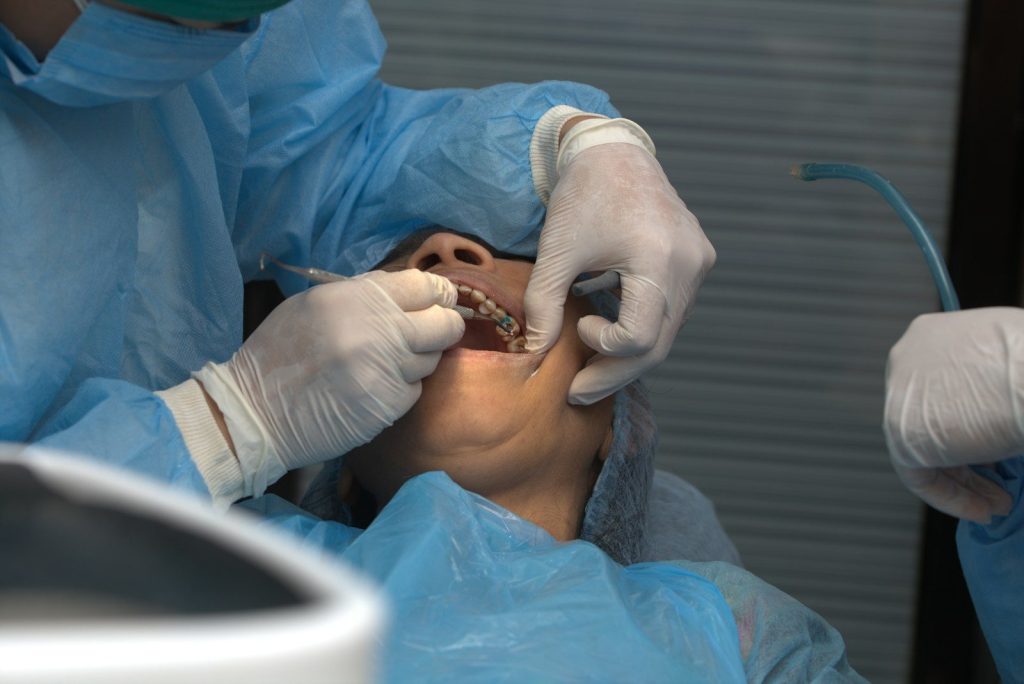
When a tooth is removed, the socket left behind begins forming a blood clot within the first few hours. That clot is the biological foundation of the entire healing process; it protects the exposed bone and nerve endings beneath it and provides the framework on which new tissue will grow.
Food choices that require significant chewing, involve hard or crunchy textures, or create suction in the mouth all pose a risk to that clot. Even temperature matters.
Hot foods and beverages can increase blood flow to the area and dissolve the clot before it has stabilized, which is why warm rather than hot is the standard recommendation for soups and broths in the early recovery phase.
Nutrition Still Matters During Recovery
A common mistake patients make after extraction is treating recovery as a reason to eat almost nothing. In reality, adequate nutrition is one of the most important factors in how quickly the extraction site heals.
Protein specifically plays a direct role in tissue repair. Zinc and vitamin C support wound healing at the cellular level. Staying properly hydrated keeps the surrounding gum tissue healthy and supports the immune response that protects the socket from infection.
The goal is not to starve through recovery but to find soft, nutrient-dense options that nourish healing without disturbing the site.
Food to Eat After Extracting Tooth: The First 24 to 48 Hours
The first two days after extraction are the most critical and the most restrictive. During this window, the blood clot is at its most fragile and the surrounding tissue is at peak inflammation and sensitivity.
Stick exclusively to liquids and foods so soft they require virtually no chewing at all. The following options are safe, nutritious, and easy on a tender mouth:
- Blended soups served warm, never hot, including chicken broth, miso soup, pureed tomato soup, and butternut squash soup
- Plain yogurt without fruit chunks, granola, or seeds, eaten with a spoon and never through a straw
- Pudding, custard, gelatin, and flan
- Mashed potatoes with butter or ghee, cooled to a comfortable warm temperature
- Unsweetened applesauce and pureed fruit including mashed banana and pureed mango
- Ice cream and sorbet without hard mix-ins, which also provide mild numbing relief
- Scrambled eggs cooked soft and served at room temperature
- Soft tofu and smooth hummus
One rule applies to every item on this list: never use a straw. The suction created by straw use can dislodge the blood clot with enough force to cause immediate dry socket.
Days 3 to 7: Gradually Expanding What You Eat
By day three, most patients notice meaningful improvement in swelling and soreness. The blood clot has had time to stabilize, and gum tissue around the socket has begun the early stages of closure.
This is the stage where the food to eat after extracting tooth can expand to include soft foods that require minimal chewing, while still avoiding anything that involves significant bite force or crunch.
Best Soft Protein Sources
Protein intake during the first week of recovery is particularly important because it directly supports the tissue regeneration occurring at the extraction site.
Safe protein options at this stage include scrambled eggs, finely shredded and well-moistened chicken, soft flaky fish like tilapia or salmon, egg salad, ricotta cheese, soft tofu, refried beans, and well-cooked lentils. Greek yogurt remains an excellent choice throughout this period; it is rich in protein, calcium, and zinc, all of which support wound healing.
Grains, Vegetables, and Comfort Foods
Beyond protein, this phase opens up a wider range of satisfying options that are still gentle on the healing socket.
Well-cooked pasta, soft macaroni and cheese, instant oatmeal, cream of wheat, grits, and soft rice are all suitable grain options. For vegetables, anything cooked until genuinely soft works well: steamed carrots, mashed sweet potato, pureed squash, mashed cauliflower, avocado, and soft-cooked beans all deliver solid nutritional value without requiring real chewing force.
Khichdi and curd rice are excellent choices that are both gentle on the gums and easy to flavor for palatability.
The one adjustment that remains important during this phase is the chewing side. Always chew on the opposite side of the mouth from where the extraction was performed, even when eating soft foods.
Week 2 and Beyond: Returning to Normal Foods
By the end of the first week and into the second, most patients can carefully begin reintroducing firmer textures into their diet.
This transition should be gradual and guided by how the site actually feels rather than by the calendar alone. Start with semi-soft foods such as soft bread, pasta with slightly more texture, cooked rice, and cheese.
If a food feels comfortable and causes no pulling sensation at the extraction site, it is likely safe to continue. If you notice any discomfort when chewing, return to the softer options for another two or three days before trying again.
Full return to a normal diet, including raw vegetables, tough meats, and crunchy snacks, generally happens between week two and week three for a standard extraction and may take longer following surgical removal of wisdom teeth or an impacted tooth.
What Food to Eat After Extracting Tooth: Foods to Avoid Entirely
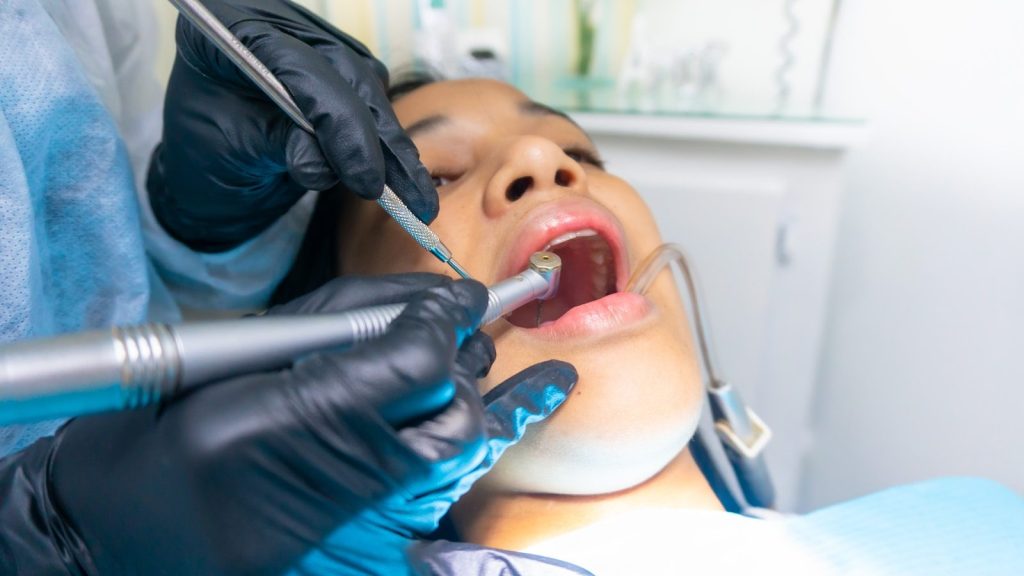
Understanding what not to eat is just as important as knowing what is safe. Certain food categories pose specific risks to the healing extraction site regardless of how careful you are while eating them.
Avoid the following for at least the first week:
- Hard, crunchy, or crumbly foods: popcorn, crackers, chips, nuts, raw carrots, hard candy, and crusty bread all create bite pressure that can disturb the clot or leave fragments in the socket
- Chewy foods: caramel, gum, jerky, and chewy bread products can pull at the healing tissue
- Spicy or acidic foods: citrus juice, hot sauces, and vinegar-heavy foods can inflame the socket and slow healing
- Alcohol: it interferes with the healing process and interacts poorly with post-extraction pain medications
- Seeds and grains: small particles like sesame seeds, rice, and quinoa can lodge directly in the socket and introduce bacteria
Temperature extremes deserve special mention. Both very hot and very cold foods and beverages can trigger sensitivity in the socket area. Warm and room temperature options are consistently the most comfortable and the least likely to cause setbacks.
Practical Tips for Eating Comfortably During Recovery
Knowing which foods are safe is helpful; knowing how to eat them without causing problems is equally important.
A few habits make a significant difference throughout the recovery period:
- Take small bites and eat slowly, giving yourself time to assess how each food feels before committing to a full meal
- Let all warm foods cool to a comfortable temperature before eating; test on your wrist the way you would test a baby’s food
- Rinse gently with warm salt water after eating from day two onward to keep the socket clean, but avoid vigorous swishing that could disturb the clot
- Eat on the unaffected side of your mouth consistently until you have received the all-clear from your dentist
- Drink plenty of water throughout the day, sipping rather than gulping, to stay hydrated without creating excessive pressure around the site
Conclusion
Knowing exactly what food to eat after extracting tooth at each stage of recovery takes most of the anxiety out of the post-procedure period and gives your body the nutritional support it needs to heal efficiently.
The first 48 hours call for liquids and barely-there textures: broths, yogurt, soft mashed foods, and cold treats. Days three through seven open the door to soft proteins, cooked vegetables, and gentle grains. By week two, most patients are well on their way back to their normal diet as long as they listen to how the site feels rather than rushing the process.
The food to eat after extracting tooth is not about deprivation; it is about making choices that protect the healing site so recovery is faster, more comfortable, and free from the complications that come from treating the extraction as just another meal occasion.