How to Remove Dog Hair From Clothes Once and for All
Key Takeaways: To effectively remove dog hair from clothes, use a combination of pre-wash loosening (like a 10-minute dryer cycle), high-tack physical removers like lint rollers or rubber squeegees, and laundry additives like white vinegar or specialized pet hair dissolvers. Consistency and preventative grooming are your best defenses.
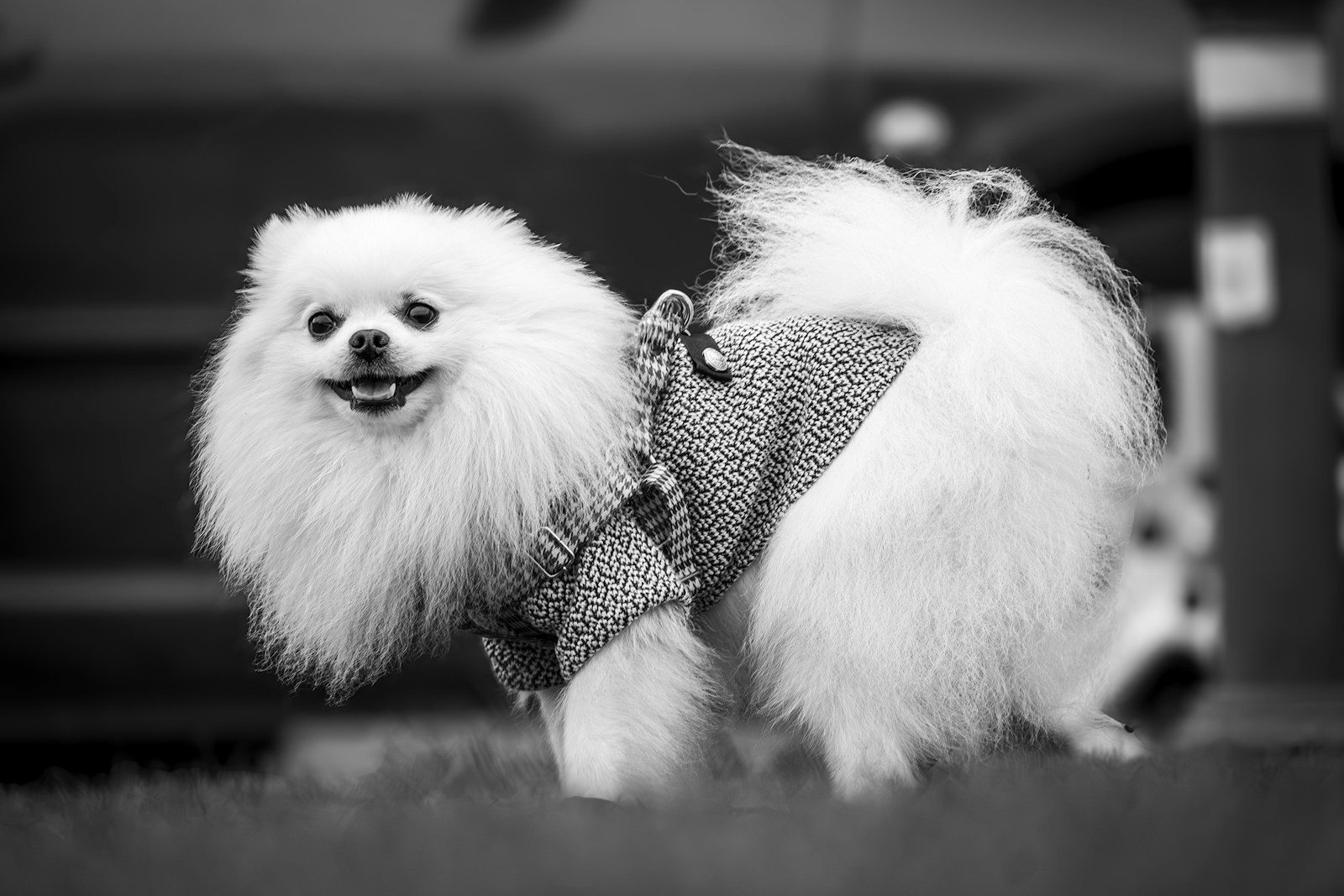
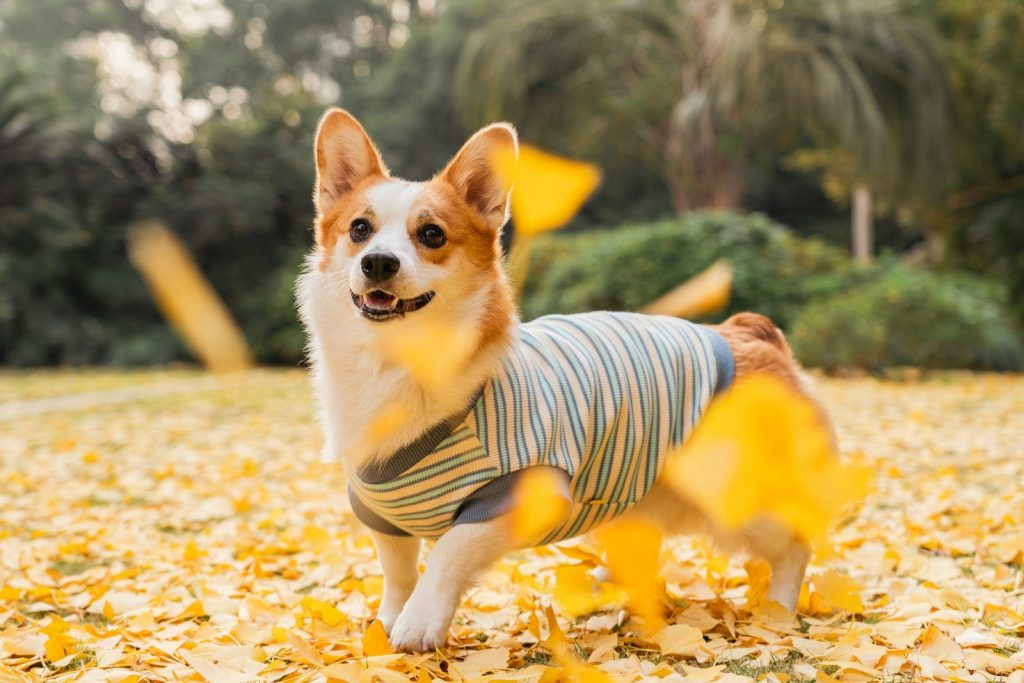
Dealing with how to remove dog hair from clothes is a rite of passage for every pet parent, whether you own a Golden Retriever who leaves a “glitter” trail or a short-haired Pug whose fur needles its way into every fabric fiber. It’s a frustrating battle that often feels like you’re losing, but with the right workflow, you can step out of the house without looking like you’re wearing your dog’s winter coat.
The struggle is real because dog hair isn’t just sitting on top of your clothes; it’s often woven into the threads or held there by stubborn static electricity. To win, you need to break that static bond and use tools that provide more “grip” than the fabric itself.
The Science of Why Dog Hair Sticks
Before we dive into the solutions, it helps to understand the enemy. Most dog hair carries a slight offset in its electrical charge compared to synthetic fabrics like polyester or nylon. This creates static cling, effectively turning your favorite black leggings into a giant magnet for fur. Furthermore, certain coat types—like the “guard hairs” of a German Shepherd—have microscopic barbs that hook into the weave of cotton and wool. This is why a simple shake of the shirt rarely does the trick.
Quick Fixes for When You’re Heading Out the Door
We’ve all been there: you’re two minutes away from leaving for a meeting and realize your blazer is covered in Husky glitter. When you don’t have time for a full laundry cycle, these high-impact methods work best.
- The Classic Lint Roller: It’s the gold standard for a reason. For maximum efficiency, roll in one direction rather than back and forth to prevent pushing the hair deeper into the fibers.
- Damp Rubber Gloves: Put on a yellow dishwashing glove, dampen it slightly with water, and run your hand over your clothes. The friction created by the rubber combined with the moisture creates a “pilling” effect, gathering the hair into easy-to-grab clumps.
- Packing Tape: If you’re caught without a lint roller, a loop of wide packing tape around your hand works in a pinch. Just be careful with delicate silks or knits.
- The Pumice Stone Trick: For heavy fabrics like wool coats or denim, a pumice stone (lightly brushed over the surface) can grab stubborn hairs that a sticky roller might miss.
How to Remove Dog Hair From Clothes in the Laundry
If your wardrobe is at the point of no return, the washing machine is your best friend—but only if you prepare the clothes correctly. Tossing fur-covered clothes straight into the wash often results in wet clumps of hair stuck to the drum or, worse, redistributed onto your “clean” clothes.
The Pre-Wash Dryer Secret
One of the most effective ways to handle how to remove dog hair from clothes is to start with the dryer, not the washer. Toss your dry, fur-covered clothes into the dryer on a “cool” or “air fluff” setting for 10 minutes with a couple of dryer sheets. The tumbling motion combined with the anti-static properties of the dryer sheets loosens the hair, pulling it off the fabric and into the lint trap before it ever gets wet.
Laundry Additives That Work
Once you move the clothes to the washer, you need to minimize static.
- White Vinegar: Adding half a cup of white distilled vinegar to the rinse cycle acts as a natural fabric softener. It relaxes the fibers, making it harder for pet hair to stay anchored.
- Pet Hair Dissolvers: There are specific laundry additives designed to break down the keratin in pet hair during the wash cycle. According to experts at The Spruce, using a liquid fabric softener is also crucial because it coats the fibers and reduces the static charge.
Comparing Professional Tools vs. DIY Methods
| Method | Best For | Pros | Cons |
| Lint Roller | Quick touch-ups | Portable and cheap | Generates waste |
| Rubber Squeegee | Large surface areas | Reusable and highly effective | Requires some elbow grease |
| Vinegar in Wash | Deep cleaning | Natural and softens clothes | Slight vinegar scent initially |
| Sticky Balls/Discs | During the wash | Hands-off | Effectiveness varies by load size |
Steps to Clean Your Washing Machine After a Fur Load
If you’ve just washed a particularly hairy load, your machine needs a quick detox to prevent the “fur transfer” to your next cycle.
- Leave the door open until the drum is completely dry.
- Use the vacuum cleaner’s brush attachment to suck out any visible hair clumps from the drum and the rubber seal.
- Wipe down the rubber gasket with a damp microfiber cloth.
- Run an empty “clean washer” cycle with a tablet or a cup of bleach to flush out the remaining debris.
Avoiding Common Mistakes
When learning how to remove dog hair from clothes, many people inadvertently make the problem worse. Here are the pitfalls to avoid:
- Mistake 1: Using too much detergent. Excess suds can actually trap hair against the fabric rather than helping it wash away.
- Mistake 2: Overloading the machine. If the clothes can’t move freely, the hair won’t have the space to be rinsed out of the fabric and into the drain.
- Mistake 3: Ignoring the lint trap. A full lint trap in the dryer means there’s nowhere for the newly loosened hair to go, so it stays on your clothes.
Fabric Choice Matters
If you’re tired of the constant battle, it might be time to look at your wardrobe choices. Some fabrics are simply more “pet-friendly” than others. Smooth, tightly woven fabrics like silk, satin, and high-quality synthetic blends tend to repel hair. On the other hand, porous materials like corduroy, velvet, and loose knits are essentially Velcro for Golden Retrievers.
As noted by the American Kennel Club, choosing materials like leather or treated microfiber can significantly reduce the amount of time you spend cleaning.
Practical Examples of Daily Habits
- The “Mudroom” Strategy: Keep a lint roller right by the front door. Give yourself a quick once-over every time you leave the house to catch any stray hairs before they settle in.
- Grooming at the Source: The best way to keep hair off your clothes is to keep it off the floor. Brushing your dog for five minutes a day can reduce shedding by up to 50%.
- The Laundry Sort: Never wash your “dog-contact” clothes (like your hoodies or loungewear) with your “work” clothes. Keep the loads separate to prevent cross-contamination.
Pros and Cons of Common Solutions
Chemical Hair Dissolvers
- Pros: Very effective for deep cleaning; prevents clogs in plumbing.
- Cons: Can be harsh on delicate fabrics; more expensive than vinegar.
Reusable Sticky Rollers
- Pros: Eco-friendly; no need to buy refills.
- Cons: Must be washed frequently with soap and water to regain stickiness.
Dryer Balls (Wool or Plastic)
- Pros: Reduces drying time; naturally knocks hair loose.
- Cons: Can be noisy in the dryer; wool balls can eventually shed their own fibers.
Frequently Asked Questions
Does washing clothes actually remove dog hair?
Not always. In fact, water can sometimes cause hair to clump and stick even more firmly to the fabric. The key is to loosen the hair in a dry cycle first and use fabric softeners to break the static bond during the wash.
Can I use a vacuum cleaner on my clothes?
Yes! Using the upholstery tool on a high-suction vacuum while your clothes are laid flat on an ironing board is an incredibly effective way to remove bulk hair before washing.
Is there a specific temperature that helps remove hair?
Warm water is generally better than cold for removing pet hair because it helps the fabric fibers expand and release trapped debris. However, always check the care label on your garment first.
How do I get dog hair out of my fleece jackets?
Fleece is notoriously difficult. The best method for fleece is a specialized “pet hair rake” or a rubber brush. These tools pull the hair out of the pile without damaging the soft texture of the fleece.
Will a fabric softener sheet really help?
Yes, dryer sheets are coated with anti-static chemicals. When they tumble with your clothes, they transfer a thin layer of these chemicals to the fabric, neutralizing the static charge that holds the hair in place.
Keeping your wardrobe fur-free doesn’t require a miracle; it just requires a system. By using a pre-wash dryer cycle, keeping the right tools by your door, and maintaining your appliances, you can enjoy the company of your four-legged friend without looking like you’ve been rolling around in the dog bed yourself.