
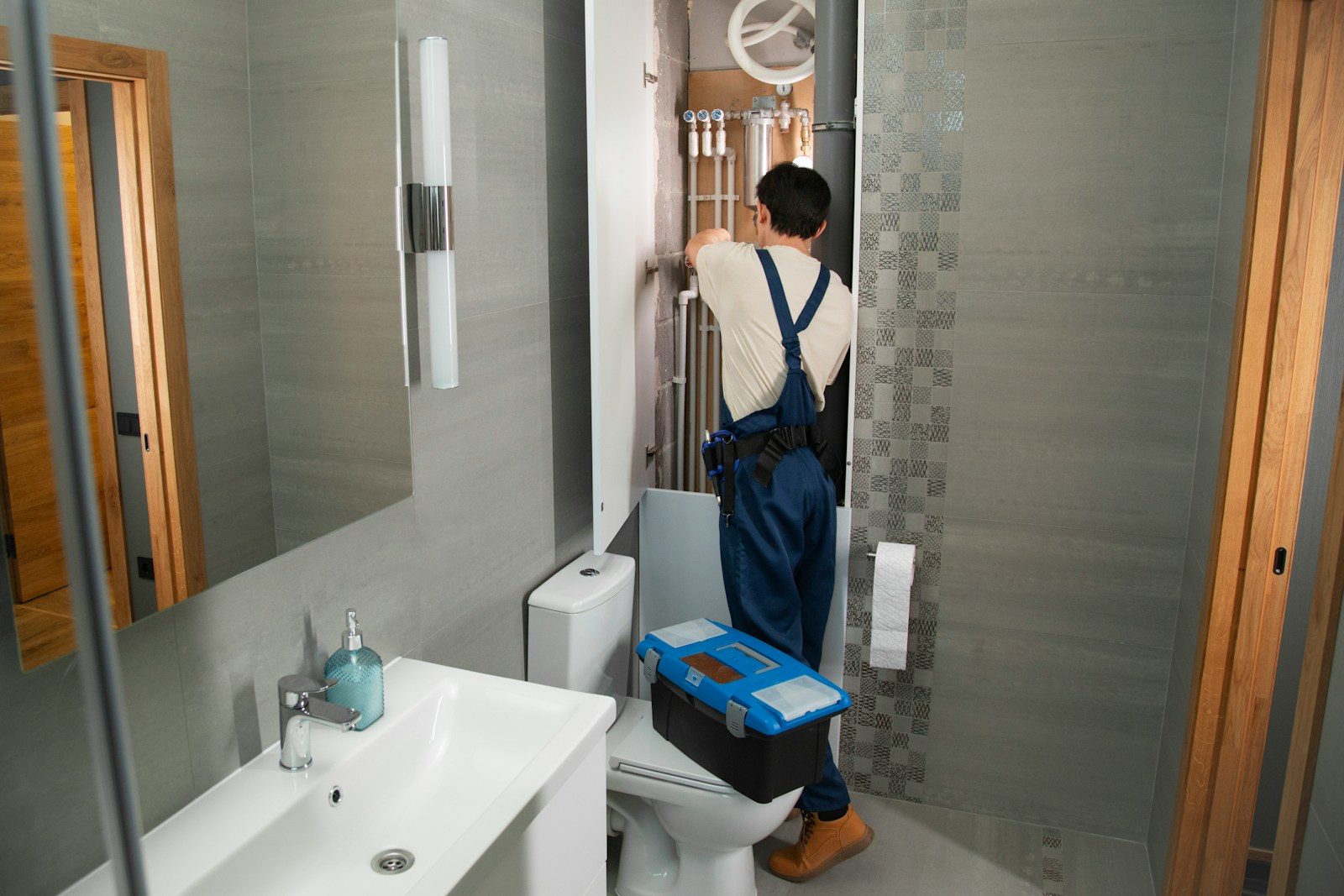
How to Repair Leaky Pipe: A Complete DIY Guide
Key Takeaways: To repair a leaky pipe, first shut off the main water supply and drain the lines. For a temporary fix, use pipe repair tape or a C-clamp with a rubber patch; for a permanent solution, replace the damaged section using a slip coupling or a SharkBite fitting.
The sinking feeling you get when you hear the steady drip-drip-drip under the sink is universal, but learning how to repair leaky pipe issues doesn’t have to be a nightmare. Whether it’s a pinhole leak in a copper line or a hairline crack in PVC, acting fast is the difference between a simple ten-minute fix and a massive flooring replacement bill. Most minor plumbing issues are well within the reach of a determined homeowner with a few basic tools.

Identify the Source of the Leak
Before grabbing the wrench, you need to know what you’re up against. Dry the exterior of the pipe with a rag and wait to see exactly where the moisture beads up.
- Joint Leaks: Usually caused by worn-out threading or a degraded seal.
- Pinhole Leaks: Often found in copper pipes due to internal corrosion.
- Cracks: Common in PVC or older galvanized steel pipes.
Essential Tools for the Job
You likely have half of these in your garage already. Having a dedicated “leak kit” saves precious minutes when water is actively spreading across your kitchen tile.
- Hacksaw or pipe cutter
- Plumber’s tape (Teflon tape)
- Epoxy putty or silicone repair tape
- C-clamps and rubber gaskets
- Pipe wrench or channel locks
- Replacement fittings (Slip couplings)
Step-by-Step Guide: How to Repair Leaky Pipe at Home
If you have a burst pipe, call a professional immediately. However, for those nagging drips, follow these steps to get your plumbing back in shape.
- Shut Off the Water: Locate your main water shut-off valve. If the leak is isolated to a sink or toilet, you can use the local shut-off valve behind the fixture.
- Drain the Lines: Turn on the lowest faucet in the house to let any remaining water out of the system. This prevents a messy “surprise” when you cut into the pipe.
- Clean the Area: Use a cloth or wire brush to remove rust, lime scale, or debris from the pipe’s surface. Repairs won’t stick to a dirty pipe.
- Apply the Patch or Fitting: Depending on your material (PVC vs. Copper), apply your chosen repair method.
- Test the Repair: Turn the water back on slowly. Keep a towel nearby and watch the area for at least ten minutes to ensure the seal holds under pressure.
Temporary vs. Permanent Fixes
Not every repair is meant to last a decade. It is vital to distinguish between a “get me through the night” fix and a “set it and forget it” solution.
Emergency Patches
If it’s 2 AM on a Sunday, you might just need to stop the bleeding. Pipe repair tape (self-fusing silicone) is a lifesaver. You wrap it tightly around the leak, stretching it as you go, and it bonds to itself to create a watertight seal. Another option is epoxy putty, which you knead until it turns a uniform color and then press over the hole. According to The Family Handyman, these are excellent for small pinholes but shouldn’t be trusted as long-term fixes.
Permanent Replacements
For a lasting result, you usually need to remove the damaged section of the pipe. For DIYers, push-fit fittings (like SharkBite) are the gold standard. They don’t require soldering or messy glues. You simply cut out the leaking section, deburr the edges, and push the fitting on.
Common Pipe Materials Comparison
| Material | Common Use | Repair Difficulty | Best Repair Method |
| PVC | Drainage/Waste | Low | Replacement with primer/solvent |
| Copper | Main Water Lines | Medium | Soldering or Push-fit couplings |
| PEX | Modern Supply | Low | Crimp rings or Push-fit |
| Galvanized | Older Homes | High | Threaded unions or Pipe clamps |
Practical Examples and Common Mistakes
A common mistake is over-tightening threaded joints. Many people think “tighter is better,” but with plastic PVC threads, this often causes the fitting to crack, creating a second leak. Another frequent error is failing to deburr the pipe. When you cut a pipe with a hacksaw, it leaves tiny plastic or metal shards. If you don’t scrape these off, they can damage the O-ring inside a new fitting, leading to a slow weep.
For instance, if you’re dealing with a copper pinhole, don’t just slap tape on it and walk away. Copper often corrodes from the inside out; a pinhole is a sign that the rest of the pipe wall is thinning. Plan to replace that entire run of pipe sooner rather than later.
Pros and Cons of DIY Pipe Repair
Pros:
- Cost Savings: You avoid the $150–$300 “truck fee” just for a plumber to show up.
- Immediacy: You can stop water damage the moment it starts.
- Skill Building: You gain a better understanding of your home’s infrastructure.
Cons:
- Risk of Failure: An improper fix can fail while you’re at work, leading to massive flooding.
- Tool Costs: If you don’t own a pipe cutter or specialized wrenches, the initial investment adds up.
- Code Compliance: Some major repairs require permits or must meet specific local codes that a DIYer might not know.
When to Call a Professional
Knowing how to repair leaky pipe setups is great, but knowing when you’re out of your league is better. The HomeAdvisor guide on plumbing costs suggests that if a leak is behind a wall, under a concrete slab, or involves the main sewer line, it is time to call in a pro. Dealing with “slab leaks” requires specialized sonar equipment that most homeowners don’t have sitting in their junk drawer.
FAQ
Can I use duct tape to stop a leak?
No. Duct tape is not designed to handle water pressure or constant moisture. The adhesive will eventually break down, and the leak will resume, often more aggressively than before. Use specialized silicone “rescue tape” instead.
How long does epoxy putty take to cure?
Most plumbing epoxies harden within 5 to 10 minutes, but they usually require about an hour to fully cure before you should turn the water pressure back on. Always check the specific manufacturer’s instructions on the tube.
Why is my pipe leaking at the joint?
Joint leaks are often caused by the vibration of “water hammer,” which loosens fittings over time. It could also be due to dried-out plumber’s putty or threads that weren’t properly wrapped with Teflon tape during the original installation.
Is a pinhole leak a big deal?
Yes. While it looks small, a pinhole leak can release hundreds of gallons of water over a month. More importantly, it is often a symptom of “pitting corrosion,” suggesting the entire pipe is nearing the end of its lifespan.
Does homeowners insurance cover leaky pipes?
Generally, insurance covers the damage caused by a sudden pipe burst (like ruined drywall), but they rarely pay for the actual repair of the pipe itself. If the leak was caused by a lack of maintenance, they may deny the claim entirely.
Taking the time to learn the basics of home maintenance keeps your sanctuary dry and your wallet full. Start with the small stuff, keep your tools handy, and always know where that shut-off valve is located.