
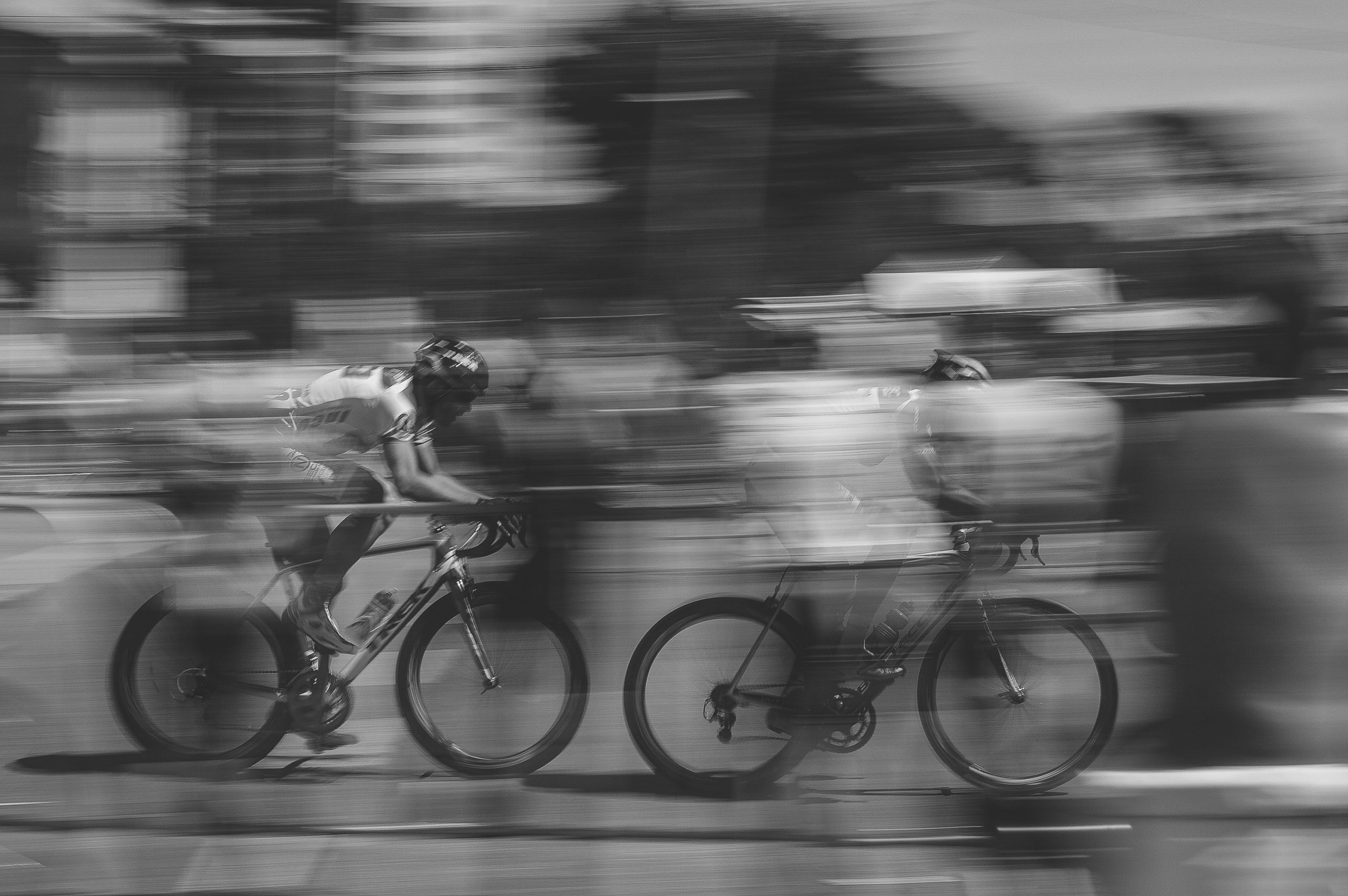
How to Stay Safe on the Road as a Cyclist
Regular bicycle checks, visible clothing, predictable movements, and awareness of surrounding traffic can help riders make safer decisions on shared roads.
Cycling provides transportation, exercise, and recreation, but riders are not the only people on the road. They share roads with motor vehicles and pedestrians. And while knowing how to safely cycle on the roads is important, understanding road safety also means knowing where to find reliable legal information, including resources such as 770GoodLaw legal team, when questions arise after an incident.
No precaution can remove every risk, but consistent safety habits can give riders more time to respond to changing conditions.
1. Wear the Right Bicycle Safety Equipment
A properly fitted helmet can help protect a cyclist’s head during a fall or collision. It should sit level and low on the forehead, with secure straps forming a V beneath the ears. The National Highway Traffic Safety Administration’s bicycle guidance also recommends bright clothing, reflective materials in low light, and visible reflectors or bicycle lights.
Clothing should allow for comfortable movement without becoming caught in the bicycle. Closed-toe footwear can provide stable pedal contact, while gloves may improve grip. Equipment can reduce certain risks, but cannot prevent every injury.
2. Follow Traffic Rules on Public Roads
Cyclists should generally travel in the same direction as motor vehicles and obey traffic lights, stop signs, and road markings. Predictable riding helps others anticipate their movements.
Before turning, a cyclist should check surrounding traffic and use an appropriate hand signal. At an intersection, the rider can slow down, observe the signal, and look for turning vehicles. Bicycle lanes can provide useful space, although riders must still watch for vehicles crossing them.
Local cycling regulations should also be reviewed.
3. Stay Visible and Aware in Traffic
Bright colors, reflective details, and working front and rear lights can improve visibility, especially at dawn, dusk, at night, or in poor weather.
Parked vehicles create a concern because a door may open into a cyclist’s path. Riders should leave reasonable space and watch for occupants. This guide to parallel parking and checking surrounding traffic reminds drivers to check for cyclists and pedestrians before reversing, illustrating why awareness matters for everyone on the road.
Cyclists should avoid lingering beside trucks or buses, whose drivers may have limited visibility. Additional space gives larger vehicles room to turn and riders more time to react.
4. Inspect the Bicycle Before Every Ride
A brief inspection of one’s bicycle can reveal mechanical problems before they develop in traffic. Riders should check tire pressure and look for visible wear or debris. Both brakes should respond properly, while the chain and gears should move without unusual resistance.
The seat and handlebars should remain secure, and lights and reflectors should function. A commuter who notices a soft tire before leaving can correct it before entering traffic.
On longer trips, a pump, patch kit, and spare tube may help with minor repairs.
5. Choose Safer Routes and Watch for Hazards
When practical, riders can choose established cycling routes, bicycle lanes, or roads with lower traffic volumes. A slightly longer route may offer better visibility and fewer difficult intersections.
Potholes, gravel, standing water, drainage grates, debris, and construction materials may require a cyclist to slow down or change position. Before moving around a hazard, the rider should check behind and signal.
Rain can reduce traction and visibility, making slower speeds and additional stopping distance useful for cyclists. Phones and headphones that block surrounding sounds can interfere with awareness.
6. Know What to Do After a Bicycle Accident
After an incident, the cyclist should move away from immediate traffic danger if physically able. Emergency services should be contacted when someone is injured, and medical evaluation may be appropriate even when symptoms initially seem minor.
When safe, anyone involved in the incident can exchange contact and relevant insurance information. Photographs of the bicycle, vehicles, road conditions, and damage may preserve useful details. Witness information and report numbers should also be retained.
Cyclists should avoid making assumptions about responsibility. Questions involving documentation, insurance, or legal options may require guidance based on the circumstances.
Making Bicycle Safety Part of Every Journey
Safer cycling begins before the wheels ever start moving. Equipment checks, visible clothing, route selection, traffic awareness, and predictable positioning can become part of every ride, helping cyclists remain prepared for changing conditions.
Frequently Asked Questions About Bicycle Road Safety
Should cyclists always wear helmets?
A properly fitted helmet offers head protection. Cyclists should also check helmet requirements that apply in their state or local area.
What should cyclists wear to improve visibility?
Bright clothing, reflective materials, and working front and rear lights can make cyclists easier for other road users to see.
Should cyclists ride with or against traffic?
Cyclists should generally ride in the same direction as motor vehicles and follow applicable traffic signs, signals, markings, and regulations.
How often should a bicycle be inspected?
Basic checks should occur before every ride, particularly for the tires, brakes, lights, chain, handlebars, and seat.
What should someone do after a bicycle accident?
They should prioritize safety, request emergency help when necessary, seek appropriate medical care, exchange information, and document relevant details when possible.