
Overlooked Design Moves That Strengthen Perimeter Protection
Reliable perimeter performance depends on design that connects movement, maintenance, and monitoring into a single framework. Coordinating access points, barriers, and lighting with verified usage data produces stable circulation patterns that reduce maintenance overlap and operational uncertainty. When layouts follow clear spatial hierarchy, inspection tasks become more consistent and downtime across entry areas decreases.
Integrating physical elements with maintenance schedules and documentation supports predictable upkeep and clear accountability. Consistent organization of gates, fences, and lighting creates uniform reference points for service teams. Standardized placement also improves access for inspections, minimizes site disruption, and establishes repeatable protection quality across multiple operating conditions.
Smart Access Planning
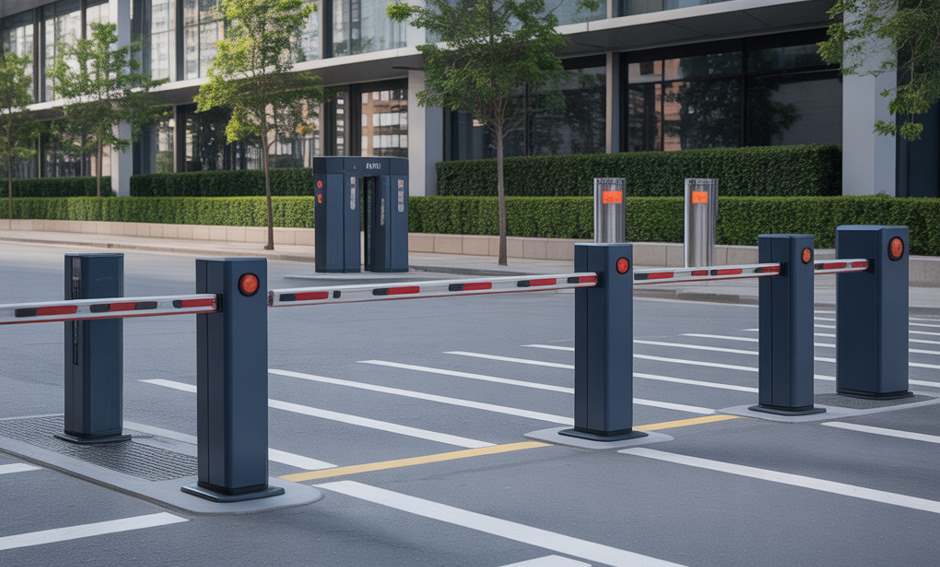
Access systems function most effectively when aligned with real usage patterns and daily activity cycles. Configuring retractable bollards or gates according to measured traffic volumes maintains steady movement and limits mechanical stress. Device timing linked to known entry frequencies reduces congestion and sustains consistent throughput for both pedestrian and vehicle operations.
Reliable coordination depends on full connection between access controls, emergency power, and building management systems. Linking these networks allows controlled failover when outages occur. Including diagrams, override instructions, and maintenance records within design documentation supports accurate training and quick problem resolution. Early collaboration among facility, security, and electrical teams confirms compatibility and reduces adjustment work during commissioning.
Consistent Look and Material Standards
Visual consistency improves recognition and simplifies maintenance planning. Matching finishes, hardware, and color schemes across all perimeter components reduces confusion during inspection and procurement. Selecting materials that account for corrosion, temperature variation, and local environmental exposure improved durability and stabilizes performance outcomes across maintenance cycles.
Systematic documentation of finish specifications, surface alignment tolerances, and installation patterns creates a verifiable baseline for later service evaluations. Maintaining reference panels and digital finish libraries supports quality checks during repairs. Recording lifespans, inspection intervals, and supplier data allows maintenance teams to schedule replacements efficiently and maintain uniform appearance over long operational periods.
People-Centered Layouts
Layouts that correspond to actual circulation patterns maintain clear routes and stable observation lines. Aligning barriers and curbs with predictable pedestrian or vehicle paths reduces accidental conflicts and keeps access predictable. Physical guidance through consistent paving materials, edge treatments, or contrasting textures directs movement without creating unnecessary restriction.
Defined waiting areas, loading points, and transition zones near entry gates support steady flow during varied activity levels. Clear signage placement and uniform lighting reinforce visibility for both staff and visitors. Periodic reviews using occupancy and flow data identify areas of congestion or unclear routing. Updating layout documentation and maintenance records after adjustments keeps field conditions consistent with operational planning. These layout adjustments directly support occupational safety objectives by reducing conflict zones and improving hazard visibility.
Transparent and Reliable Operation
Visible system states improve trust and speed up user response significantly. Access equipment that includes labeled controls, indicator lights, and clear operating positions helps staff verify function without technical reference or additional guidance. Backup releases and manual overrides limit disruption during automation faults or power interruptions that might otherwise delay operations. Redundant communication between local devices and centralized control panels preserves data accuracy, response timing, and overall operational visibility.
Standardized servicing procedures improve continuity between teams and contractors throughout service cycles. Central logs that capture service dates, parts replacements, and technician notes create shared awareness of condition trends across locations. Scheduled reviews of these records help identify emerging issues before functional failure or data loss. Integrating maintenance data with inspection reporting also supports performance audits and long-term budgeting accuracy within established facility management frameworks.
Clean, Calm Presentation
Organized presentation supports clear wayfinding and faster inspection. Consistent placement of barriers, lighting, and signage keeps access points visible while limiting visual noise. Coordinated surface finishes and uniform lighting levels provide a steady reference environment that aids both monitoring and maintenance work. Defined reflectance and illumination ranges help maintain reliable identification conditions under different light settings.
Maintenance plans that include presentation standards preserve this clarity over time. Photo documentation, inspection checklists, and alignment logs form a verifiable record of visual condition. Tracking vegetation growth, surface wear, and fixture movement reduces inconsistencies between maintenance cycles. When visual data are integrated with work orders, teams can prioritize cleaning and adjustment tasks based on measurable presentation performance.
Coordinated perimeter design integrates access control, material selection, layout consistency, and visual management into a unified operational model. Aligning equipment schedules, inspection intervals, and maintenance documentation enhances predictability and reduces procedural variation. Uniform finishes, synchronized control responses, and well-defined presentation standards sustain measurable reliability across long service cycles. Facilities teams applying these structured coordination practices maintain durable, verifiable perimeter performance that remains stable through ongoing operation, multi-shift scheduling, and varied occupancy conditions.