
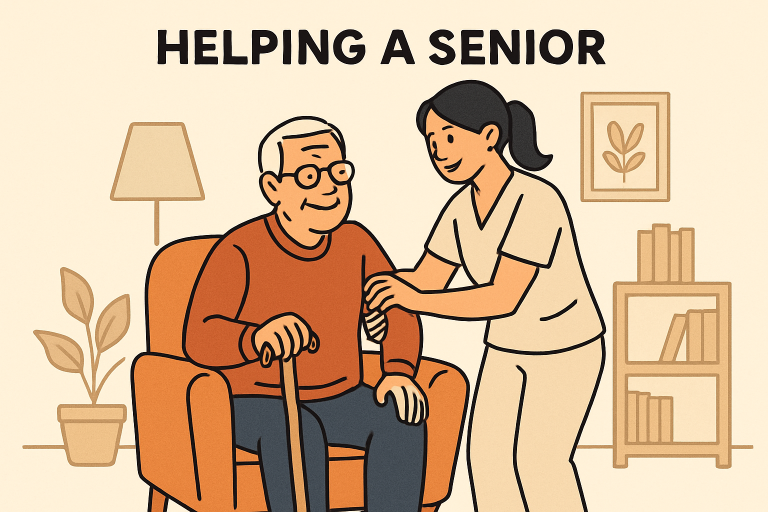
Supporting Seniors at Home with Compassionate Care
Key Takeaways:
- Personalized care matters: Tailored plans support seniors’ unique needs and independence.
- Emotional well-being is essential: Compassionate care fosters dignity, comfort, and quality of life.
- Safety is a priority: Thoughtful planning helps create a secure home environment.
- Aging in place is empowering: In-home care allows seniors to remain in familiar, supportive surroundings.
- Growing support and access: Expanding home care options make compassionate services more widely available.
As America’s population ages, families are exploring thoughtful ways to help loved ones remain comfortable and independent in their own homes. Compassionate home care is not just a practical solution but also a deeply personal one, enhancing seniors’ quality of life and bringing peace of mind to their families. For those beginning the journey of aging-in-place support, a wealth of options exist— read more to discover some effective approaches for supporting seniors with dignity.
The right blend of at-home assistance is essential for helping older adults maintain routines and independence, ensuring a graceful aging process. Empathetic, personalized support allows seniors to stay in familiar environments while addressing safety concerns and day-to-day challenges. As the population of Americans aged 65 and older is projected to exceed 73 million by 2030, sustainable in-home care solutions are increasingly necessary. Many seniors prefer to age in place despite facing mobility, cognitive, or health challenges that may require additional support, sometimes on a continuous basis. This growing demand is fueling rapid development in home care services, offering diverse, specialized options for physical, emotional, and social needs. Some organizations are integrating innovations, including telehealth and smart-home technology, to enhance safety and support for the elderly.
Understanding the Need for In-Home Senior Care
Staying at home remains a preferred choice for many older adults, aligning closely with their desire for autonomy, familiarity, and comfort. The ability to carry on treasured daily routines, enjoy favorite surroundings, and remain connected to the community can have profound emotional and mental health benefits. However, as health issues or physical limitations arise, professional support becomes essential to ensure that seniors remain safe, supported, and engaged.
Recent studies highlight that home-based care often outperforms institutional care in terms of quality of life and even health outcomes. According to the AARP, in-home care promotes happiness, supports cognitive health, and can ease the strain on family caregivers. It can also allow seniors to receive individualized attention and specialized services tailored to their unique requirements.
Key Components of Compassionate Home Care
Personalized care plans for seniors are tailored to their specific preferences and health needs, encompassing assistance with hygiene, mobility, medication, meal prep, and nursing care. Caregivers also provide emotional support through companionship, meaningful conversations, and activities that alleviate loneliness and enhance well-being. Additionally, implementing safety measures, such as home modifications and risk assessments, minimizes injury risks, promoting a safe and confident living environment for seniors.
Benefits of In-Home Care Services
Investing in at-home care provides significant benefits for seniors and their families. Firstly, it helps maintain independence by allowing seniors to manage their daily lives with professional support while preserving their autonomy. Secondly, remaining in a familiar home environment can be particularly advantageous for seniors facing memory challenges or cognitive decline, as it alleviates confusion and anxiety. Lastly, although home care requires a financial commitment, it is generally more cost-effective than full-time residential care, as it can be customized and adjusted to individual needs.
Challenges in the Home Care Industry
The expansion of home care is accompanied by industry-wide hurdles. Chief among these are persistent caregiver shortages and rising operational costs, which can make services less accessible for some families. To tackle these challenges, the industry is innovating. Peer-to-peer support programs, for example, encourage active older adults to become caregivers for their peers. This model addresses staffing gaps while sparking enriching relationships and a genuine sense of community belonging.
Creative programs led by organizations and local governments are also leveraging technology, training, and flexible care models to address coverage gaps. Some agencies now use wearable devices and remote monitoring to help families feel secure about their loved one’s well-being from afar, as detailed in recent articles from The New York Times.
Government Initiatives and Support
Recognizing the growing demand for senior care and its role in public health, recent policy discussions include expanding Medicare funding to support in-home services. Initiatives aim to ease the burden on the “sandwich generation” of adults who juggle raising children and caring for aging parents. Proposed changes include federal aid for in-home aides, meal delivery, and help with personal care. Well-structured support allows more families to care for their loved ones at home while protecting their financial health and overall well-being.
Choosing the Right Home Care Provider
Making the best choice for a home care provider is crucial to a senior’s success and comfort at home. Families are encouraged to consider a provider’s reputation, the depth of caregiver training, the variety and flexibility of available services, and the agency’s overall philosophy of care. Transparent communication, thorough background checks, and clear care plans are essential when selecting a reputable, trustworthy home care partner.
Conclusion
Uplifting seniors with compassionate home care is an ongoing commitment that hinges on respect, personalization, and careful planning. By focusing on tailored care plans, emotional well-being, and safety, families can help loved ones age independently and gracefully. As the home care industry evolves and public support grows, more seniors will have access to nurturing in-home solutions that let them thrive in familiar surroundings and with love.