Why Chew-Proof Dog Beds Are Worth the Investment
Every dog owner knows the frustration of finding a shredded dog bed after a long day. Those fluffy cushions that seemed perfect at the store often stand no chance against a determined chewer. Many pet parents simply accept this cycle of purchase and destruction as a normal part of dog ownership.
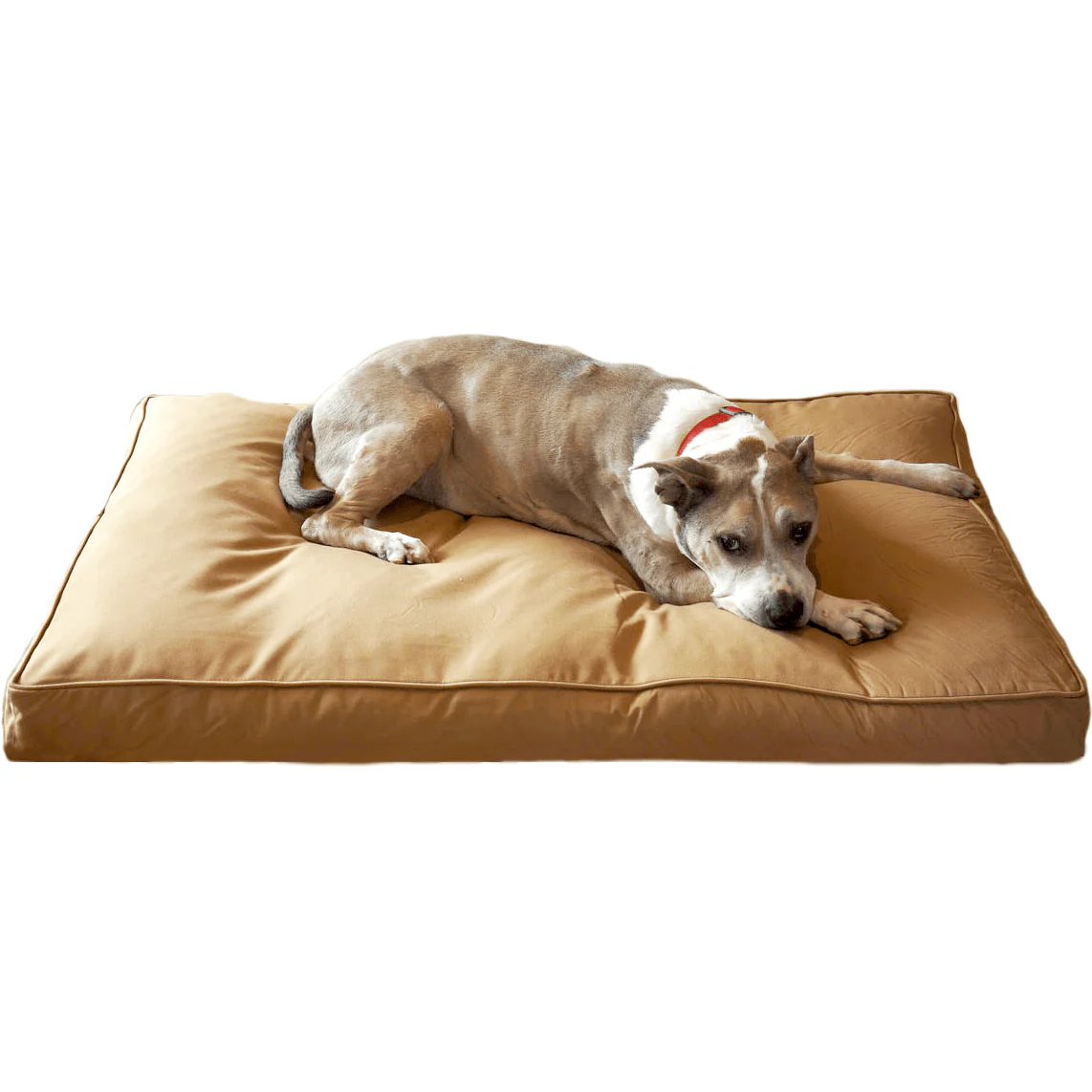
However, there is a smarter way to handle this common problem. A chew proof dog bed offers a real solution that saves time, money, and stress. This article explains why these durable beds deserve a place in any home with a power chewer.
The Cost of Cheap Beds Adds Up Fast
A standard dog bed might cost forty or fifty dollars at a local pet store. That seems reasonable until the dog destroys it within a week. Replacing that bed four or five times per year quickly reaches two hundred dollars or more. Some dogs can ruin a new bed in a single afternoon. In contrast, a quality chew-proof bed costs more upfront but lasts for years. Many owners find that one hundred fifty dollars for a durable bed is far cheaper than repeated purchases of cheap ones. The savings become clear after just one year of use.
Safety Matters More Than Comfort
Cheap beds create serious health risks when dogs tear them apart. Ingested foam, fabric, or stuffing can cause dangerous intestinal blockages. A blocked intestine often requires emergency surgery that costs thousands of dollars. Some dogs choke on loose threads or zippers while playing with destroyed bedding. Chew-proof beds remove these hazards through reinforced seams and durable materials. The beds contain no loose fill that a dog can swallow. A safe sleeping surface gives owners peace of mind during work hours or overnight.
These Beds Handle Real World Wear
Manufacturers make chew-proof beds from industrial-grade materials like ballistic nylon or ripstop fabric. These materials resist puncture from sharp teeth and claws. Seams receive double or triple stitching to prevent easy tearing. Some designs use a raised frame that keeps the sleeping surface away from gnawing mouths. Many models feature waterproof liners that protect against accidents or spills. For instance, a dog that digs and chews out of anxiety will face a bed that refuses to fall apart. The construction simply does not allow the same failure points as standard bedding.
Dogs Adjust Well to Durable Surfaces
A common concern is that dogs will reject a firmer chew-proof bed. The truth is that most dogs adapt quickly to any clean, supportive surface. Many chew-proof beds use high-density foam that provides excellent joint support for older dogs. The materials stay cool in summer and retain warmth during the winter months. Dogs with arthritis or hip problems actually benefit from the firm, even surface. Owners often report that their dogs sleep more soundly once the bed stops changing every few weeks. A dog cares far more about routine and security than about pillow softness.
The Long-Term Benefits Are Clear
A single chew-proof bed can last through multiple dogs or through many years with one heavy chewer. Owners spend less time shopping for replacements and cleaning up shredded foam. The household becomes calmer without daily battles over destroyed property. Veterinary visits for intestinal blockages drop to zero. Furthermore, a quality bed retains its resale value if the owner no longer needs it. Some manufacturers offer warranties that cover accidental damage from chewing. That guarantee shows real confidence in the product’s durability.
Investing in a chew proof dog bed makes sense for any owner of a strong chewer. The upfront cost feels high, but the long-term savings prove worthwhile. For anyone tired of sweeping up fluff and buying bed after bed, a chew proof option is the final answer.