Wisdom Teeth Recovery Timeline: What to Expect in the First 24 Hours
The wisdom teeth recovery timeline follows a predictable progression that most patients complete within one to two weeks. Understanding exactly what happens at each stage removes the anxiety of wondering whether your symptoms are normal, and helps you take the right protective actions at the right time to avoid painful complications like dry socket.
Recovery speed varies based on several factors including how many teeth were removed, whether any were impacted, your age, and how closely you follow post-operative instructions.
However, the broad sequence of healing milestones is consistent enough across patients to serve as a reliable roadmap from surgery day through complete tissue closure.
First 24 Hours: The Most Critical Window
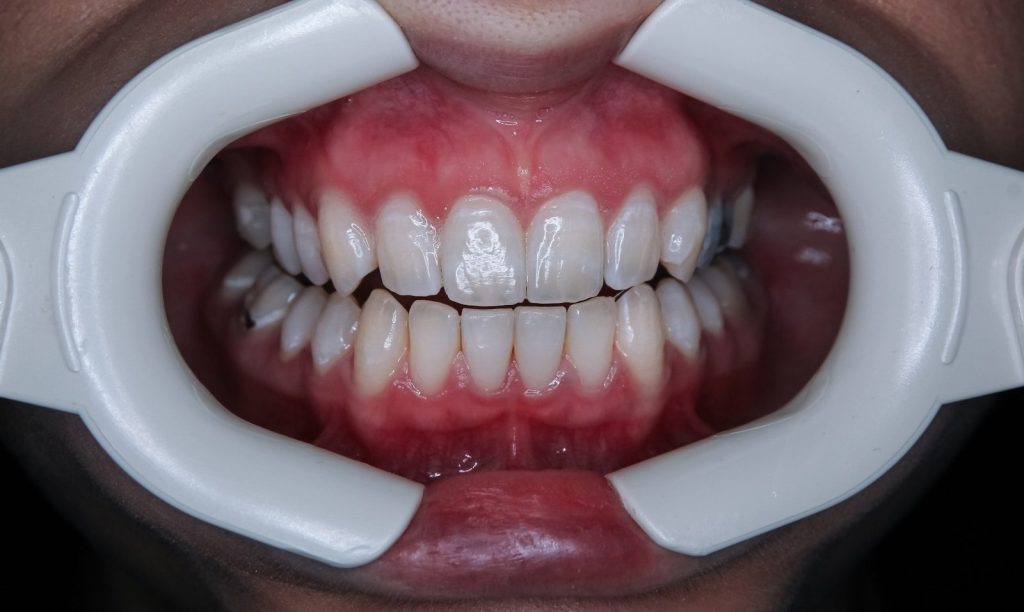
The first day after wisdom tooth extraction is both the most uncomfortable and the most important for setting the foundation of good healing. Blood clots form inside the empty sockets during this period, and protecting those clots is the single most important task during the initial 24 hours. A dislodged clot leads to dry socket, one of the most painful post-extraction complications, which delays recovery significantly.
Expect steady bleeding or oozing for the first several hours. Biting gently on gauze pads and replacing them as instructed helps control this. Swelling begins building during this window and typically continues increasing through the end of day two. Most oral surgeons advise applying an ice pack to the outside of the cheek in cycles of 20 minutes on and 20 minutes off during the first 24 hours to limit swelling progression.
Do not brush your teeth, rinse your mouth aggressively, spit forcefully, use a straw, smoke, or consume hot liquids during the first 24 hours. All of these actions generate suction or pressure that can dislodge the forming blood clot. Stick to cool soft foods such as yogurt, applesauce, pudding, and ice cream during this period, and rest with your head elevated above heart level to reduce blood pressure in the surgical area.
Day 2 and Day 3: Peak Discomfort Phase
Days two and three are typically the most painful phase of wisdom teeth recovery. The local anesthetic has fully worn off, inflammation peaks, and swelling reaches its maximum level, often making the cheeks visibly puffy or chipmunk-like. Additionally, jaw stiffness frequently becomes most pronounced during this window, limiting how far you can open your mouth comfortably.
Pain medication prescribed by your oral surgeon should be taken on schedule during these days rather than waiting for pain to become severe. Staying ahead of pain is far more effective than trying to recover from a pain spike. Furthermore, continuing to apply ice packs through day two and transitioning to warm compresses from day three onward helps manage swelling and ease jaw stiffness simultaneously.
Begin gentle saltwater rinses 24 hours after surgery, swishing softly without spitting forcefully. This keeps the extraction sites clean without disrupting the clot. Continue avoiding straws, smoking, alcohol, and carbonated drinks through at least day three, as these remain significant dry socket risks throughout the first week of healing.
Days 4 to 7: Steady Improvement Returns
By day four, the majority of patients notice a meaningful reduction in both pain and swelling. Energy levels return, jaw mobility improves gradually, and most people feel comfortable resuming school, sedentary work, or light daily activities during this period. Many patients are able to reduce their reliance on prescription pain medication and transition to over-the-counter options like ibuprofen as inflammation continues resolving.
Diet can expand cautiously during days four through seven. Soft but more substantial foods such as scrambled eggs, pasta, mashed potatoes, soft fish, and smoothies are generally well tolerated. However, avoid anything hard, crunchy, chewy, or small enough to lodge in the extraction site, such as nuts, seeds, popcorn, chips, and rice. These items can disrupt healing tissue or cause infection if they become trapped in the socket.
Most patients are approximately 70 to 80 percent healed by the end of the first week. If stitches were placed, many dissolve naturally during this window.
Any stitches that do not dissolve are typically removed at a follow-up appointment scheduled around day seven. Bruising on the cheeks or jaw may appear or become more visible during this phase but fades progressively through the second week.
Week 2: Near-Normal Function Returns
During the second week, most visible signs of surgery resolve. Swelling and bruising fade away, jaw stiffness loosens significantly, and most patients return to their full daily routine including work and light exercise. Physical activity should be reintroduced gradually, starting with walking before resuming more strenuous exercise to avoid increasing blood pressure at the surgical sites prematurely.
Diet can expand further during week two, though it remains wise to chew on the opposite side of any remaining sensitive areas and to avoid extremely hard or sticky foods until the sites feel fully comfortable. Continue rinsing with warm saltwater after meals to keep the healing sockets clean.
Any persistent pain, unusual swelling, or foul taste during week two warrants a call to your oral surgeon, as these may signal infection or delayed healing requiring treatment.
Weeks 3 to 6 and Beyond: Deep Tissue Healing
Surface tissue and soft gum closure typically complete by the end of the third week for most straightforward extractions. However, the deeper bone and tissue layers within the socket continue remodeling for considerably longer.
According to the American Association of Oral and Maxillofacial Surgeons, complete internal healing of the bone socket takes approximately six weeks, though patients generally feel no discomfort during this final stage.
For impacted wisdom teeth (those that were embedded in the jawbone and required more extensive surgical removal), the full healing timeline extends longer.
Soft tissue closure may take three to four weeks, bone remodeling may continue for three to six months, and some mild intermittent sensitivity in the area can persist for several months without indicating any problem.
Patients who had all four wisdom teeth removed simultaneously or experienced surgical complications naturally fall toward the longer end of recovery timelines.
Wisdom Teeth Recovery at a Glance
- Day 1: Blood clot formation, peak bleeding, begin icing, full activity restrictions, anesthetic wearing off
- Days 2 to 3: Peak swelling and pain, maximum jaw stiffness, continue medication schedule and cold compresses
- Days 4 to 7: Noticeable improvement in pain and swelling, most return to school or desk work, soft diet continues, stitches begin dissolving
- Days 8 to 14: Swelling and bruising fade, jaw mobility nearly normal, return to full routine including light exercise, follow-up appointment
- Weeks 3 to 6: Surface tissue fully closed, deep bone remodeling continues, all dietary restrictions lifted, full activity resumed
Warning Signs That Require Immediate Medical Attention
Most wisdom tooth recoveries proceed without serious complications. However, certain symptoms indicate a problem that needs prompt professional evaluation rather than watchful waiting at home.
Dry socket: Severe, throbbing pain radiating toward the ear beginning two to four days after extraction, often accompanied by a visible empty socket rather than a dark clot; requires treatment at your oral surgeon’s office
Signs of infection: Increasing rather than decreasing pain after day three, persistent swelling beyond a week, pus or discharge from the extraction site, fever above 38°C (100.4°F), or a foul taste that worsens over time
Excessive or renewed bleeding: Heavy bleeding that soaks through multiple gauze pads without slowing after the first few hours, or renewed significant bleeding after the first day
Numbness that does not resolve: Persistent numbness in the lip, chin, or tongue beyond 24 hours after anesthetic effects should have cleared, which may indicate nerve involvement requiring evaluation
Difficulty swallowing or breathing: Severe swelling that affects swallowing or airway requires emergency care immediately
Tips That Accelerate a Smooth Recovery
- Rest fully on day one and take the first two to three days off work or school if possible; premature activity extends healing time
- Stay hydrated by drinking plenty of water, always without a straw, to support tissue repair and medication tolerance
- Eat nutritious soft foods including protein-rich options like scrambled eggs, soft tofu, yogurt, and blended soups to give your body the building blocks for tissue repair
- Sleep with your head elevated on two pillows for the first three nights to reduce overnight swelling accumulation
- Avoid alcohol during the first week as it interferes with clot stability, increases bleeding risk, and interacts with prescription pain medications
- Follow up with your oral surgeon as scheduled even if you feel fine, since hidden healing issues are often caught and addressed at the one-week review before they become serious problems