
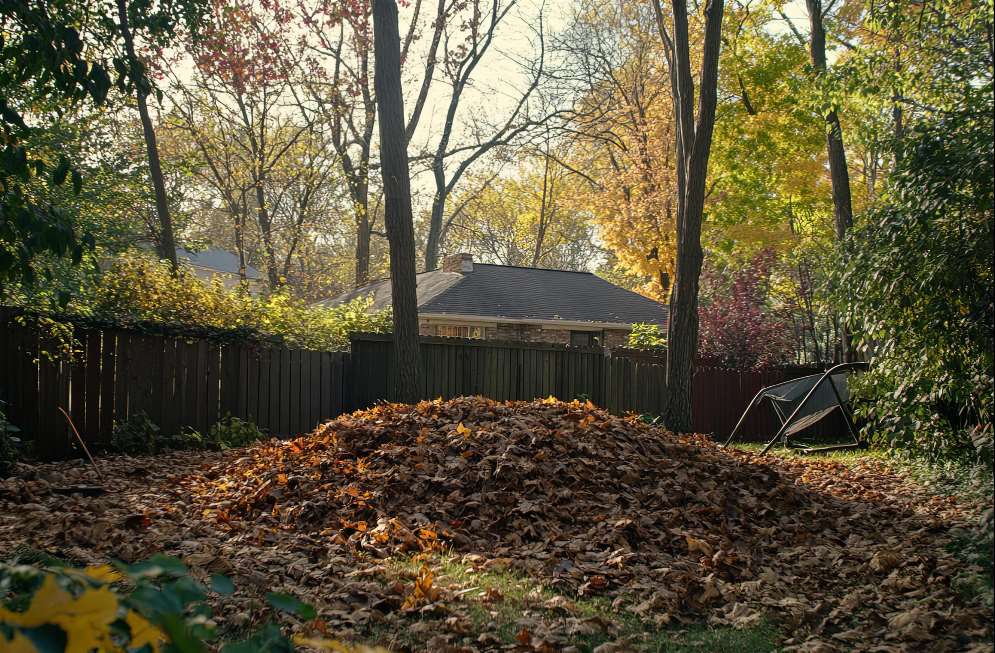
Is Your Yard Overcrowded With Trees? When Density Becomes a Problem
Urban canopies can turn from sanctuary to struggle when trees crowd one another. Branches that once offered shade may now compete for light, moisture, and root space, leaving lawns patchy and homes vulnerable. Recognizing when growth has outpaced space protects not just trees but the balance of your outdoor environment, where sunlight, air, and soil all share delicate boundaries.
Seattle’s rain and dense vegetation make overcrowding more than an aesthetic issue—it becomes a question of safety, access, and longevity. Identifying early warning signs, recognizing species habits, adjusting soil conditions, and spacing for future growth all help your yard thrive in harmony with its setting while preserving long-term beauty and resilience.
Everyday Clues That Trees Are Competing for Space
Subtle changes in your yard reveal when trees begin to crowd. Moss creeping across shaded lawns, rain pooling around trunk bases, or roots lifting pathways all signal congestion below. Bark rubbed smooth where branches touch shows hidden stress, and uneven crowns reaching for sunlight mark silent battles for air and nutrients.
As competition intensifies, lower limbs thin and fresh shoots cluster around stressed trunks. Leaning stems and patchy foliage reveal trees fighting imbalance and reduced stability during storms. Detailed evaluations used by a Seattle tree service highlight these stress points, helping plan selective pruning and spacing that restore balance over time.
Why Seattle’s Conditions Intensify Overcrowding
Long, wet seasons in Seattle push roots outward, often hugging the surface and weakening anchors beneath trunks. Steady rainfall feeds fast canopy growth, which masks internal decay until storms strip leaves and expose brittle grafts. Mixed stands—shallow-rooted conifers beside thirsty maples, for example—heighten contest for water and nutrients, accelerating crowding.
Frequent foot traffic compacts soil, cutting oxygen and forcing roots nearer the top. Surface roots then choke turf, block drainage and make uprooting likelier during high winds. Spotting species that monopolize moisture, removing volunteer saplings, and scheduling periodic aeration help shift root profiles over time; spacing replacements 20–30 feet apart softens future competition.
Choosing Which Trees to Keep and Which to Remove
Evaluating your trees begins with structure and placement. Cracked bark, narrow crotches, and fungal conks at the base warn of weakening cores. Favor those that hold balanced crowns and cast light evenly across open spaces, avoiding species that lean toward buildings, roofs, or power lines and create hazards during winter storms.
Selection blends science and foresight. Trees that complement architecture, allow air movement, and frame sunlight enhance long-term comfort and curb appeal. Remove those that crowd foundations or block natural drainage. An ISA-certified arborist can clarify borderline cases, turning uncertainty into confidence and leaving a yard that feels safer, brighter, and better aligned with its surroundings.
Planning for Healthy Spacing and New Growth
Thoughtful replanting starts with scale and proportion. Match new species to your yard’s mature canopy height and width, allowing natural light to return and air to circulate freely. Pair taller specimens with smaller understory plants and groundcovers to preserve soil structure and add visual rhythm without repeating the crowding cycle.
Regular care nurtures trees that thrive for decades. Seasonal pruning defines structure and reduces crossing branches before they harden. Keep mulch slightly away from trunks and water deeply during dry weeks to encourage strong, steady roots. Healthy spacing turns each tree into a lasting source of balance, stability, and quiet beauty throughout your outdoor space.
Keeping the Balance After the Work Is Done
Seasonal attention keeps post-thinning progress steady. Map canopy outlines, root exposure, and rubbing branches to spot new stress points early. A brief yearly inspection under open skies helps guide trimming, aeration, and soil care while maintaining shape. Prune lightly, clear overlapping limbs, and remove unwanted saplings before they reclaim open ground.
Consistency protects the gains made through earlier work. Refresh mulch evenly, check storm-affected areas for soil compaction, and restore oxygen with gentle aeration where turf thins. Deep watering every week or two strengthens root systems that now have room to expand. Each small routine reinforces balance and keeps trees stable, vigorous, and adaptable through changing seasons.
Balanced tree spacing restores both beauty and safety to outdoor spaces. When sunlight filters evenly through canopies and roots expand without conflict, lawns flourish and nearby structures remain secure. Over time, steady attention builds a natural rhythm between soil, air, and architecture, making ordinary upkeep an act of lasting stewardship. Regular observation, seasonal pruning, and thoughtful planning sustain harmony through storms, wind, and shifting seasons. Healthy trees, arranged with foresight, create surroundings that feel open, strong, and alive—reflecting the calm resilience of Seattle’s green and rainy environment, where every branch contributes to both shelter and lasting character.