

How Future Healthcare Technology Is Transforming At Home Care in 2026 and Beyond
The way healthcare is delivered is undergoing its most significant structural shift in generations. How future healthcare technology is elevating at home care is no longer a speculative question but an observable reality, with the global home healthcare market projected to reach $747.70 billion by 2030.
The shift is being driven by a perfect convergence of forces: an aging population, rising hospital costs, strong patient preference for home-based care, and the rapid maturation of digital health tools that can now deliver clinical-grade monitoring outside of hospital walls.
What was once limited to post-surgical recovery and palliative support is becoming a comprehensive care model capable of managing chronic disease, facilitating post-operative recovery, and delivering specialist consultations entirely within a patient’s home.
Remote Patient Monitoring: Real-Time Health Visibility
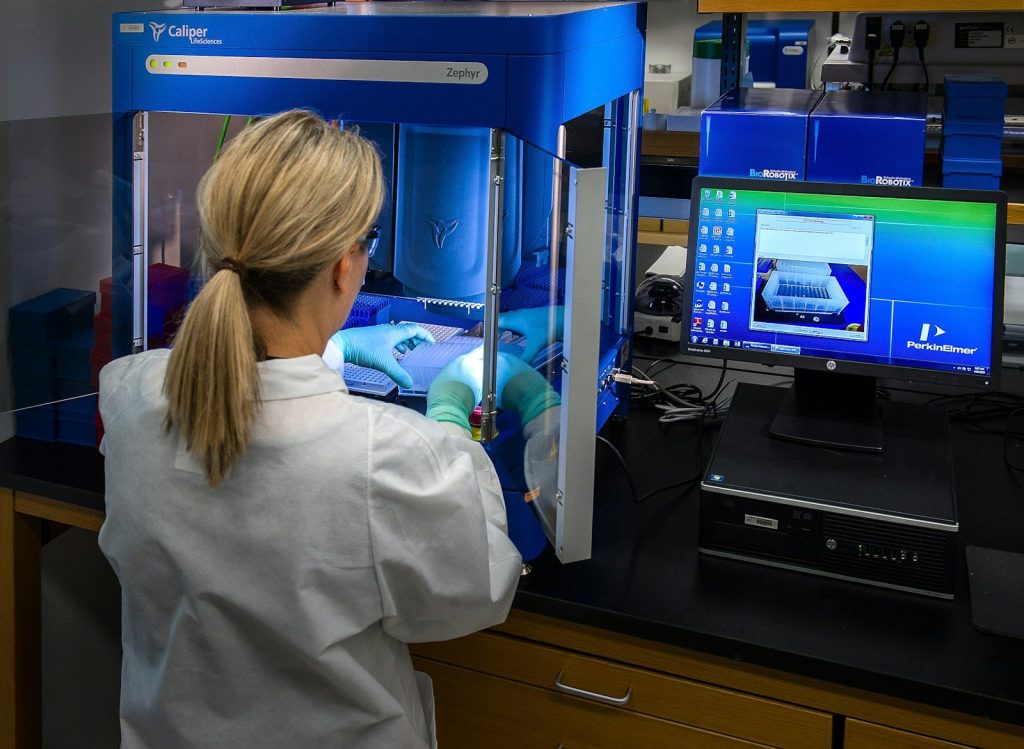
Remote patient monitoring (RPM) is the cornerstone technology enabling the shift to home-based care. Devices now track vital signs including blood pressure, oxygen saturation, heart rhythm, blood glucose, and respiratory rate in real time, transmitting the data continuously to clinical care teams.
When a reading begins trending in a concerning direction, an alert reaches the care team before the patient develops symptoms severe enough to require emergency intervention. This predictive capability fundamentally changes the economics and outcomes of chronic disease management, reducing hospitalizations and emergency department visits that drive the majority of healthcare spending.
For patients managing conditions like heart failure, COPD, diabetes, and hypertension, RPM replaces the passive approach of waiting for the next scheduled appointment with continuous, responsive oversight that catches deterioration early.
Wearable Devices and the Internet of Medical Things
Wearable health technology has crossed from consumer wellness gadget into genuine clinical tool territory. The latest generation of medical-grade wearables monitors ECG, blood oxygen, sleep quality, activity levels, and even early signs of atrial fibrillation with accuracy sufficient to support clinical decision-making.
For elderly patients specifically, wearables now include features that extend well beyond vital sign tracking:
- Continuous fall detection with automatic emergency alerts to caregivers and response services
- GPS tracking that locates patients with dementia or cognitive decline who may wander
- Medication adherence monitoring that detects whether doses have been taken on schedule
- Gait analysis that identifies early signs of balance deterioration before a fall occurs
The Internet of Medical Things (IoMT) expands this further by connecting wearables, smart home sensors, and medical devices into a unified data ecosystem. A single patient’s home can simultaneously monitor their cardiac rhythm, track their sleep patterns, remind them to take medication, and alert a family member if they have not moved from a particular room within an expected timeframe.
Artificial Intelligence in Home Healthcare
AI is transforming how future healthcare technology elevates at home care by moving the entire system from reactive to predictive. Rather than responding to health events after they occur, AI-powered platforms analyze streams of patient data to identify patterns that precede clinical deterioration.
Machine learning algorithms trained on population-level health data can predict which patients are at elevated risk of a fall, a hospitalization, or a medication interaction days before any clinical indicator becomes obvious to human observers.
AI-Powered Clinical Documentation
One of the most practically impactful applications of AI in home care is clinical documentation. AI ambient documentation tools listen to patient-caregiver interactions and automatically generate structured clinical notes, reducing documentation time by up to 75%.
This efficiency gain is not trivial. Documentation burden is one of the primary contributors to caregiver burnout in home health settings. Automating it returns significant time to direct patient care and reduces the administrative error rate that generates compliance problems across home care agencies.
Telehealth: Eliminating the Need for Physical Travel
Telehealth matured from a pandemic-era convenience into a permanent structural component of home care delivery. Physicians, nurses, specialists, and therapists can now conduct virtual consultations that deliver clinically equivalent outcomes for a wide range of conditions that previously required in-person visits.
For patients with mobility limitations, chronic illness, or geographic distance from specialist services, telehealth eliminates the physical and financial burden of travel while maintaining care continuity. Specialist consultations that previously required weeks-long waits and hours of travel are now accessible on the same day through a smartphone or tablet.
AI-assisted virtual health agents extend this further by providing 24/7 availability for symptom checking, medication guidance, and triage support between scheduled provider visits. Patients who previously called emergency services for questions that could be safely managed at home now have an immediate intelligent alternative.
How Future Healthcare Technology Is Elevating At Home Care Through Smart Environments
The home itself is becoming a healthcare setting through smart technology integration. Voice-activated assistants such as Amazon Alexa and Google Home now serve clinical functions alongside their consumer uses: reminding patients about medication schedules, guiding them through prescribed exercises, and enabling emergency contact via voice command for patients who cannot easily access a phone.
Smart home automation addresses the specific safety challenges that make home-based care for elderly and mobility-impaired patients risky:
- Automated lighting eliminates the fall risk of navigating dark spaces at night
- Smart thermostats maintain recovery-optimized room temperatures without patient intervention
- Environmental sensors detect smoke, carbon monoxide, gas leaks, and dangerously low temperatures automatically
- Connected security systems provide real-time family access to home safety status
For families caring for aging relatives from a distance, these technologies transform the anxiety of remote caregiving into manageable oversight, providing continuous passive monitoring without requiring constant physical presence.
Robotics and Assistive Devices
Robotics has moved from factory floors into home care environments with technology specifically engineered for the needs of elderly and chronically ill patients.
Socially interactive robots now perform a genuine clinical function: combating loneliness and social isolation, which research consistently links to accelerated cognitive decline and increased mortality risk in elderly populations. These robots engage patients in conversation, administer cognitive stimulation exercises, provide medication reminders, and alert care teams if a patient appears distressed or non-responsive.
AI-powered mobility aids including smart walkers, wheelchairs, and balance assistance devices help patients maintain independence by automatically adjusting support levels based on real-time gait analysis. GPS integration allows caregivers to track location discreetly, providing safety for cognitively impaired patients while preserving as much independence as possible.
How Future Healthcare Technology Is Elevating At Home Care Through Better Outcomes Data

The financial model of home care is shifting alongside the technology. Value-based care models, which tie provider reimbursement to patient outcomes rather than service volume, are driving rapid adoption of the monitoring and AI tools that make outcome measurement possible.
For home care agencies, this shift creates powerful incentives to invest in technology. Agencies that can demonstrate measurably better outcomes through data, including reduced hospitalizations, higher medication adherence, and improved chronic disease control, command better reimbursement rates under value-based contracts.
The ability to collect, analyze, and act on patient data at scale is therefore not just a clinical advantage but a direct financial one. Home care providers that build data-driven care models in 2026 are positioning themselves for the contracts and reimbursement structures that will dominate the market within five years.
The Hospital-at-Home Movement
The most ambitious expression of how future healthcare technology is elevating at home care is the hospital-at-home model, which replicates acute care delivery in a patient’s residence for conditions that previously required inpatient admission.
Patients recovering from surgery, managing exacerbations of chronic conditions, or receiving intravenous medications that previously required hospitalization can now receive that care at home with continuous RPM, daily nurse or physician visits, and immediate telehealth escalation capability if their condition changes.
Studies consistently show that hospital-at-home patients experience fewer complications, lower infection rates, greater patient satisfaction, and faster recovery times than matched patients treated in conventional hospital settings. The cost savings are significant enough that major health systems and payers are actively expanding these programs in 2026.
Ethical Considerations and Data Privacy
The expansion of home-based healthcare technology raises important ethical questions that the industry is actively working to address.
Continuous monitoring generates vast quantities of sensitive personal health data. Ensuring that this data is stored securely, shared only with authorized parties, used only for the patient’s benefit, and governed by clear consent frameworks is not optional but a fundamental requirement of maintaining patient trust.
As AI plays an increasing role in clinical decisions, maintaining transparency about how algorithms reach their recommendations and ensuring human clinical oversight remains in the loop are equally important safeguards.
Conclusion
How future healthcare technology is elevating at home care is a story about the convergence of AI, remote monitoring, wearables, telehealth, smart home integration, and value-based care models into a unified system capable of delivering hospital-quality care within a patient’s own home.
For patients, this means more personalized, proactive, and convenient healthcare. For providers, it means bette