
How to Get Rid of Aphids and Save Your Garden
Key Takeaways: To get rid of aphids quickly, blast them off plants with a strong stream of water or apply an insecticidal soap or neem oil spray. For long-term control, encourage natural predators like ladybugs and plant repellent herbs like garlic or chives.
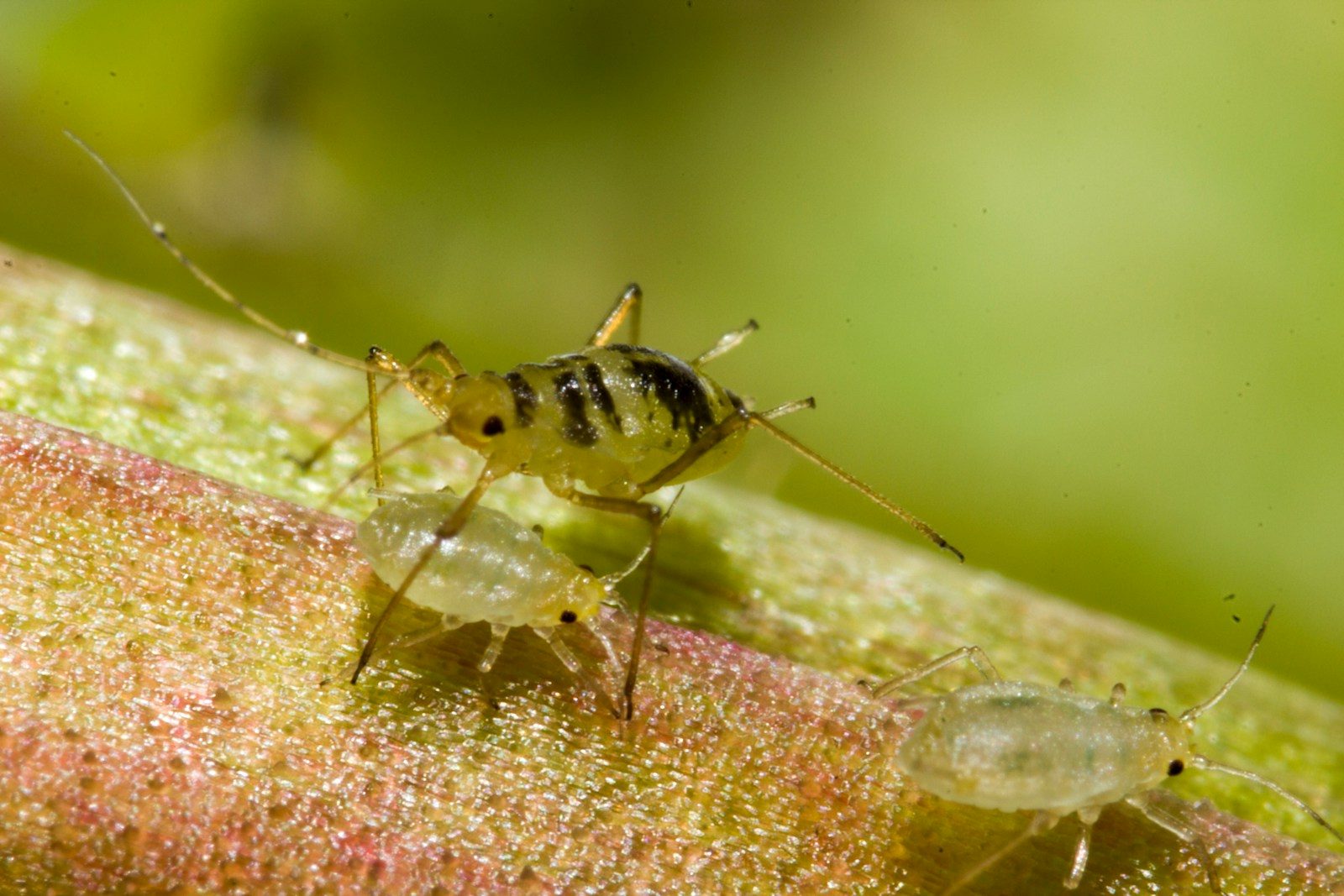
Learning how to get rid of aphids is a rite of passage for almost every gardener, whether you are tending to a few balcony succulents or a sprawling backyard vegetable patch. These tiny, pear-shaped insects might look harmless individually, but they are the “Borg” of the insect world. They multiply at a staggering rate and can drain the life out of your favorite roses or tomato plants before you even realize they’ve moved in.
The good news is that while aphids are persistent, they are also quite fragile. You don’t need to resort to harsh, scorched-earth chemical warfare to reclaim your garden. By understanding their lifestyle and using a mix of physical, biological, and organic methods, you can keep your plants lush and pest-free.
Identifying the Tiny Invaders
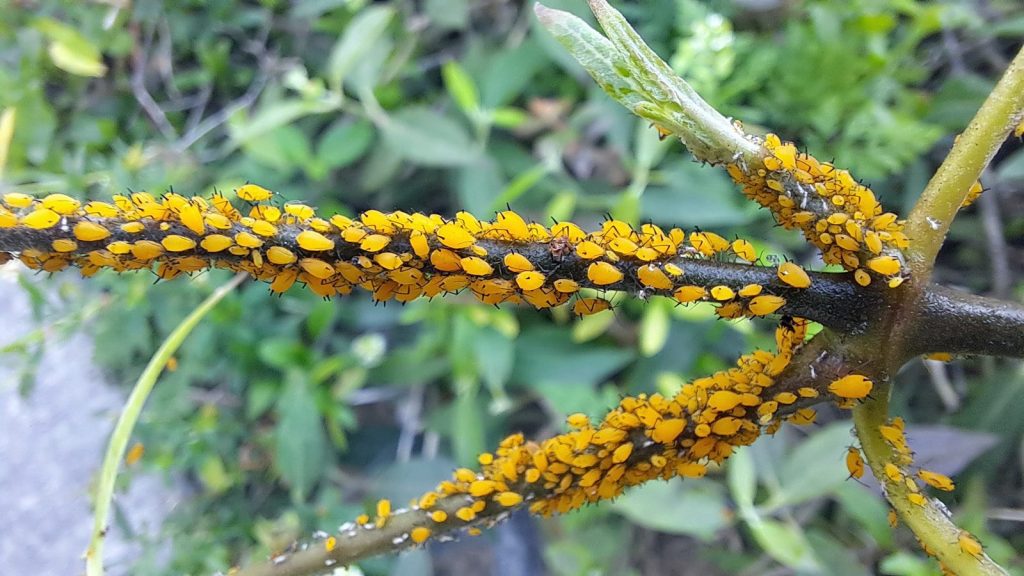
Before you start mixing up sprays, you need to be sure you’re actually dealing with aphids. They come in a rainbow of colors—green, black, brown, yellow, and even woolly white. They tend to cluster on the undersides of leaves or on succulent new growth.
One of the most obvious signs of an infestation isn’t the bug itself, but the “honeydew” they leave behind. This is a sticky, sugary substance that coats leaves and often leads to the growth of black sooty mold. If you see ants marching up and down your plant stems, they are likely “farming” the aphids for that sweet honeydew, even protecting them from predators.
Physical Methods: The First Line of Defense
If you catch the problem early, you might not need any special products at all. Here are the most effective manual ways to handle the situation:
- The Water Blast: This is the simplest method. Use a garden hose with a spray nozzle set to a firm—but not damaging—stream. Aim at the undersides of the leaves to knock the aphids off. Most of them won’t be able to find their way back to the plant.
- Pruning: If the infestation is localized to just one or two stems, simply snip those off and drop them into a bucket of soapy water.
- Hand Picking: If you aren’t squeamish, you can simply wipe them off with a gloved hand or a damp cloth.
Organic Sprays: How to Get Rid of Aphids Safely
When the population is too high for a simple water hose, it’s time to level up to organic sprays. These are effective because they work on contact, breaking down the aphid’s soft outer shell.
DIY Insecticidal Soap
You can make a very effective spray at home using items from your kitchen. Mix one tablespoon of liquid castile soap (avoid detergents or those with degreasers) into a quart of water. Spray this directly onto the aphids. According to the University of California Integrated Pest Management Program, these soaps are highly effective but must touch the insect to work, as they have no residual effect once dry.
Neem Oil
Neem oil is a botanical insecticide that not only kills aphids on contact but also acts as a repellent. It is generally safe for beneficial insects like bees once it has dried, making it a favorite for organic gardeners.
Essential Oils
A mixture of peppermint, thyme, rosemary, and clove oils can be a potent deterrent. Mix a few drops of each in a spray bottle with water and a tiny bit of dish soap to help it emulsify.
Biological Controls: Nature’s Hitmen
The most sustainable way to manage pests is to let nature do the heavy lifting. A garden that is too “clean” often lacks the predators needed to keep aphid populations in check.
- Ladybugs: Both the adults and the larvae (which look like tiny black alligators) eat hundreds of aphids a day.
- Lacewings: Often called “aphid lions,” these are perhaps even more effective than ladybugs.
- Hoverflies: Their larvae are voracious aphid hunters.
- Parasitic Wasps: These tiny wasps lay eggs inside aphids. While it sounds like a horror movie, it is incredibly effective at thinning the herd.
To attract these helpers, plant flowers like dill, fennel, yarrow, and sweet alyssum.
Companion Planting as a Shield
You can use the layout of your garden to confuse or repel pests. This strategy is known as companion planting.
| Plant Type | Role | Example Plants |
| Repellents | Strong scents that drive aphids away | Garlic, Chives, Onions, Leeks |
| Trap Crops | Plants that aphids love more than your veggies | Nasturtiums, Calendula |
| Attractors | Plants that bring in the “good bugs” | Marigolds, Cosmos, Sunflower |
Using a “trap crop” like nasturtiums is a clever trick. The aphids will flock to the nasturtiums, leaving your peppers or tomatoes alone. Once the nasturtiums are covered, you can pull them out or treat just those plants.
Step-by-Step Guide to Clearing an Infestation
If you walk out today and see your roses covered in green bugs, follow this sequence:
- Survey the damage: Check every plant nearby. Aphids have wings when they need to migrate, so they spread fast.
- Blast with water: Use the hose to clear the majority of the population immediately.
- Apply treatment: Once the leaves dry, apply your neem oil or soap mixture late in the evening to avoid leaf burn from the sun.
- Repeat: Aphid eggs can hatch every few days. You’ll need to repeat the spray every 2-3 days for about two weeks to break the life cycle.
- Fertilize carefully: Avoid high-nitrogen fertilizers. As noted by the Old Farmer’s Almanac, aphids love the tender, succulent growth produced by nitrogen, so over-fertilizing actually invites them to dinner.
Common Mistakes and Practical Examples
Mistake: Spraying in the midday sun.
Result: The oil or soap acts like a magnifying glass, scorching your plant’s leaves. Always spray at dusk or dawn.
Mistake: Forgetting the undersides of leaves.
Result: You kill 50% of the colony, and the remaining 50% repopulates the plant within 48 hours.
Practical Example: The “Ant Problem”
If you treat your plants for aphids but ignore the ants crawling on them, the ants will actually move aphid eggs to new plants and fend off ladybugs. To truly solve the aphid issue, you may need to place ant baits or sticky traps at the base of the plant to break the alliance.
Pros and Cons of Different Treatments
Chemical Pesticides
- Pros: Fast-acting, kills on contact.
- Cons: Kills bees and butterflies, can lead to pesticide-resistant “super aphids,” and can be toxic to pets/children.
Organic Soaps/Oils
- Pros: Safe for the environment, low toxicity, breaks down quickly.
- Cons: Requires frequent reapplication, only works on contact.
Beneficial Insects
- Pros: Set it and forget it, creates a balanced ecosystem.
- Cons: Insects may fly away to your neighbor’s garden if there isn’t enough food, takes time to establish.
[Image showing ladybug larva eating an aphid]
Summary of Maintenance
Keeping aphids away is more about garden health than constant spraying. Healthy plants have natural defenses. Ensure your plants have the right amount of sunlight, don’t over-water them, and keep the soil rich with compost rather than synthetic fertilizers. By creating a diverse, flower-filled environment, you invite the natural predators that make “how to get rid of aphids” a question you rarely have to ask.
FAQ
Can aphids live on indoor plants?
Yes, they often hitch a ride inside on new plants or even on your clothes. Because there are no natural predators indoors, they can take over a houseplant very quickly. The soapy water method is usually the safest and most effective for indoor use.
Do coffee grounds get rid of aphids?
While some gardeners swear by it, there is little scientific evidence that coffee grounds kill aphids. They may act as a mild repellent or help the soil, but they aren’t a reliable primary treatment for a heavy infestation.
Will vinegar kill aphids?
Vinegar is an acetic acid and can kill aphids, but it is also a potent herbicide. If the concentration is high enough to kill the bugs, it will likely kill or severely damage your plant leaves as well. It is generally better to stick with insecticidal soaps.
What is the fastest way to kill aphids?
The fastest immediate reduction comes from a high-pressure water spray. The fastest chemical-free “kill” is using an insecticidal soap or a 70% isopropyl alcohol wipe-down, which dehydrates them instantly.
Are aphids harmful to humans?
No, aphids do not bite or sting humans, and they don’t carry diseases that affect us. They are strictly plant-juice enthusiasts. However, the mold that grows on their honeydew can be an irritant for people with severe allergies.