How to Become a Sports Journalist in 2026
Sports journalism in 2026 looks very different from even a few years ago. It’s no longer just about writing game recaps, it’s about storytelling across platforms: articles, video, social media, and live coverage. Whether you want to cover local teams or work for a global outlet, the path is more flexible than ever, but also more competitive.
Here’s what it actually takes to break into the field today.
1. Choose the Right Education (or Build an Equivalent)
A traditional degree still helps, but it’s no longer the only route. Most aspiring sports journalists study:
- Journalism
- Communications
- Media studies
- Sports management (with media focus)
Well-known programs, like those at Columbia Journalism School or Ryerson School of Journalism, offer strong industry connections, but smaller or local programs can be just as valuable if they provide hands-on experience.
If you skip a formal degree, you’ll need to replace it with a strong portfolio and consistent publishing.
2. Take Relevant Courses (Formal or Online)
Beyond a degree, specific skills matter more than credentials. Focus on courses in:
- Sports reporting and media ethics
- Interviewing and storytelling
- Video editing and production
- Data journalism and analytics
- Social media strategy
Platforms like Coursera and Udemy offer affordable courses that can help you build these skills quickly.
3. Master Core Journalism Skills
At minimum, you need to be strong in:
- Writing clearly and quickly (deadlines are constant)
- Research and fact-checking
- Interviewing athletes, coaches, and staff
- Understanding sports rules and context
You should also be comfortable adapting your tone—from analytical breakdowns to quick match summaries.
4. Learn Multimedia Storytelling
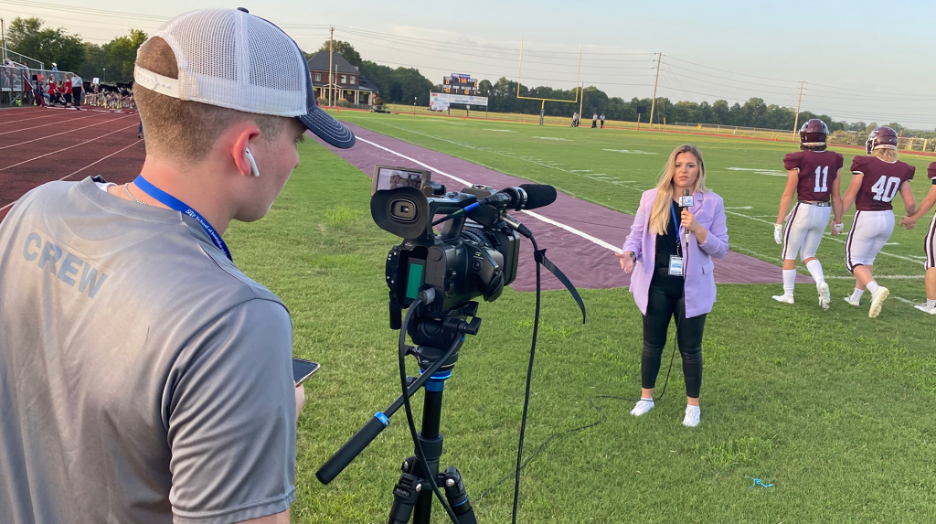
Modern sports journalism is visual and interactive. You’re expected to:
- Shoot and edit short videos
- Record and edit audio (podcasts, interviews)
- Create social media clips and highlights
This is where finding photos and footage becomes critical. You’ll need to know how to source images legally from stock platforms (Sports section at Vecteezy or Reuters), leagues, or your own content. Understanding licensing (editorial vs commercial use) is essential to avoid legal issues, especially when covering real teams and events.
5. Build a Portfolio Early
Employers care far more about what you’ve published than where you studied.
Start by:
- Launching a personal blog or site
- Covering local games or school teams
- Writing opinion pieces and analysis
- Posting clips on platforms like YouTube or TikTok
Consistency matters more than perfection. A steady stream of content shows commitment.
6. Get Real Experience (Even If It’s Unpaid at First)
Your first opportunities might include:
- Student media outlets
- Local newspapers or radio stations
- Freelance writing gigs
- Internships with sports organizations
Even volunteering to cover games can help you build contacts and credibility.
7. Develop a Niche
Generalists still exist, but specialization can help you stand out. Examples include:
- A specific sport (e.g., hockey, basketball)
- Data-driven analysis
- Player profiles and storytelling
- Local or regional coverage
Having a recognizable angle makes you easier to hire, and to follow.
8. Network in the Industry
Connections still matter. Follow and engage with journalists, editors, and media outlets on platforms like LinkedIn and X.
Attending games, press events, or media conferences can also open doors. Many jobs come through relationships rather than job boards.
9. Stay Adaptable
The biggest shift in 2026 is how fast the industry evolves. AI tools, real-time analytics, and fan-driven media are changing expectations. Successful sports journalists:
- Learn new tools quickly
- Adapt to new platforms
- Stay updated on media trends
Getting Started Today
Becoming a sports journalist today isn’t about following one fixed path, it’s about building skills, creating content, and staying visible. A degree can help, but a strong portfolio, multimedia ability, and consistent output matter more.
If you can report accurately, tell compelling stories, and deliver content across multiple formats, including sourcing the right photos and footage, you’ll be in a strong position to break into the field.