5 Everyday Emergencies You Never Expect (And How to Handle Them)
First aid is the essential skill of stabilizing an injured person until professional medical help arrives. Getting your CPR Certification Ottawa ensures you have the practical knowledge to manage choking, cardiac arrest, or severe bleeding effectively, turning a potential tragedy into a manageable situation.
Why does first aid matter in daily life?
Life has a funny way of throwing curveballs when you least expect them. You’re at a nice dinner, and suddenly the person at the next table stops breathing. Or maybe you’re at the park and a child falls hard. Most people want to help, but they freeze because they don’t know what to do.
The gap between “someone should do something” and “I know what to do” is where lives are saved. It’s not just for doctors or nurses. It’s for parents, coaches, and office workers. Knowing the basics gives you a sense of calm that is contagious in a crisis.
What should you do if someone is choking?
Choking is silent and terrifying. It doesn’t look like the movies where people scream for help. Usually, they just clutch their throat. If they can cough, let them keep coughing. That’s a good sign.
If they can’t make a sound, you need to act. Stand behind them and give five sharp back blows between the shoulder blades. If that doesn’t work, perform five abdominal thrusts. Repeat this until the object comes out or they pass out. It’s a workout, but it’s the most direct way to clear an airway.
How do you handle a sudden cardiac arrest?
This is the big one. If someone collapses and isn’t breathing, every second is a countdown. Call 911 immediately—or better yet, point at someone and tell them to call.
Start chest compressions right away. Push hard and fast in the center of the chest. You’re looking for a rhythm of about 100 to 120 beats per minute. If there is an AED (Automated External Defibrillator) nearby, use it. These machines are designed to talk you through the whole process. You can’t really mess it up, but you can definitely help.
Is a minor burn actually a big deal?
We’ve all touched a hot pan. Most of the time, it’s just a sting. But burns can get nasty fast if they aren’t treated right. Forget the old wives’ tales—don’t put butter or ice on it.
The best thing you can do is run cool (not cold) water over the area for at least 10 to 20 minutes. This stops the “cooking” process of the skin. If the burn is larger than your palm or looks charred, skip the home remedies and head to the clinic.
What’s the secret to a great home first aid kit?
Most store-bought kits are okay, but they often lack the stuff you actually need. A good kit should have variety. Think beyond just Band-Aids.
- Nitrile gloves: To protect yourself and the victim.
- A pocket mask: For safe rescue breaths.
- Sturdy shears: To cut through clothing if needed.
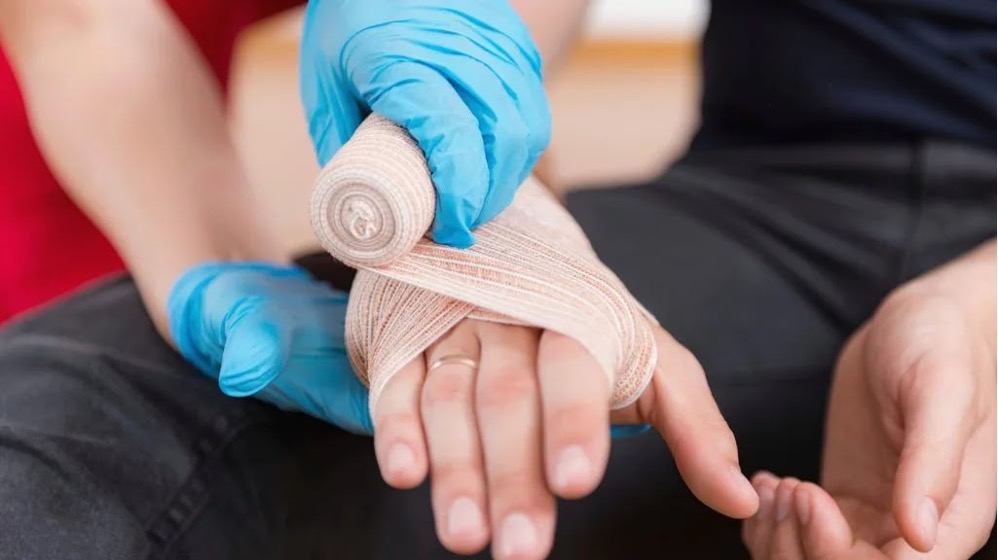
- Pressure bandages: For those deeper cuts that won’t stop bleeding.
Keep it somewhere everyone can find it. There’s no point in having a kit if it’s buried under old shoes in the back of a closet.
If you are looking for first aid training near Lowertown, Sandy Hill, or other areas close to the Rideau Centre, then you may reach out to Coast2Coast First Aid/CPR – Ottawa in that area. For more info and articles like this visit our website.
Frequently Asked Questions
1. How long does a CPR certificate last? In Canada, most certificates are valid for three years, but many employers require a yearly recertification to keep skills fresh.
2. Is online-only first aid training enough? While online theory is great for learning the “why,” you really need an in-class component to practice the “how” on manikins. Blended learning offers the best of both worlds.
3. Can I get in legal trouble for helping someone? In most places, “Good Samaritan” laws protect you as long as you act rationally and stay within the scope of your training.
4. What is the difference between CPR Level C and BLS? Level C is for the general public (infants, children, adults), while BLS (Basic Life Support) is specifically for healthcare professionals and first responders.
5. Do I need to be “in shape” to do CPR? Compressions are tiring, but anyone can do them. The goal is to keep blood moving until the pros arrive, and even “imperfect” CPR is better than none at all.