Best Places to Snorkel in Hawaii: The Complete Island-by-Island Guide
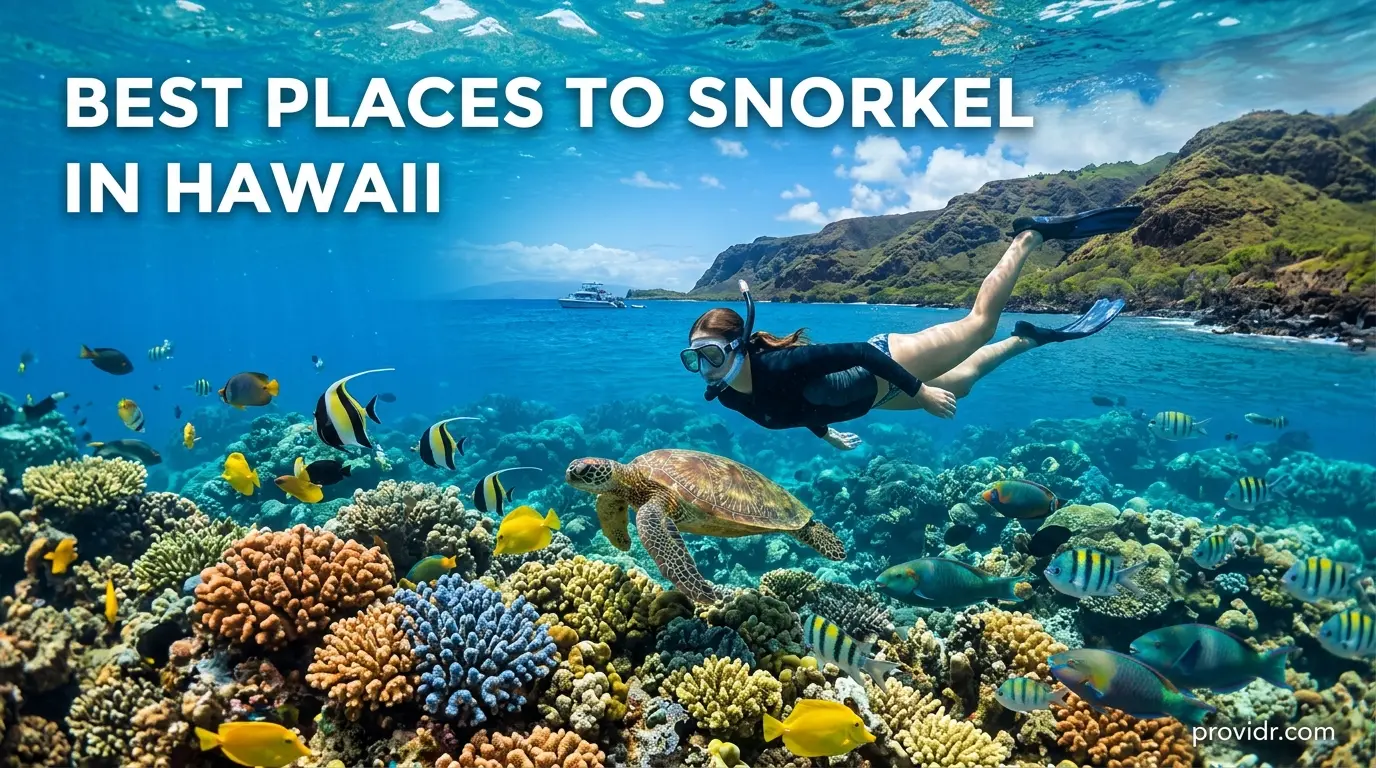
Hawaii is one of the best snorkeling destinations on Earth. Its islands sit on volcanic reefs that took millions of years to form. More than 25% of Hawaii’s reef fish live nowhere else on the planet. The water stays warm all year, between 75-82°F. Protected bays offer calm water and clear visibility. You’ll also find green sea turtles, spinner dolphins, and reef sharks in many spots. The short answer of Best Places to Snorkel in Hawaii: The Complete Island-by-Island Guide: Molokini Crater and Honolua Bay on Maui are two of the best spots. Hanauma Bay on Oahu is another top pick. So is the Kealakekua Bay and Two Step area on the Big Island. These spots share three things. They have great visibility, often 50-150 feet. They have healthy coral. And they have calm, protected water. Molokini even offers occasional manta ray sightings. Kauai’s snorkeling is more seasonal. Spots like Ke’e Beach and Tunnels Reef shine in summer, but rough winter surf can shut them down.
Below, we break down each spot. You’ll learn which one fits your skill level, budget, and travel style.
Quick Answer: Best Snorkeling by Island
| Island | Best Overall Spot | Best for Beginners | Best for Advanced Snorkelers | Best for Turtles |
| Maui | Molokini Crater | Kapalua Bay | Honolua Bay | Turtle Town (Maluaka) |
| Oahu | Hanauma Bay | Hanauma Bay | Shark’s Cove | Electric Beach |
| Big Island | Kealakekua Bay | Kahalu’u Beach Park | Two Step | Honaunau Bay |
| Kauai | Ke’e Beach | Poipu Beach Park | Tunnels Reef | Ke’e Beach |
Why Hawaii Is a World-Class Snorkeling Destination
A few things set Hawaii apart from other snorkeling destinations.
- Volcanic reef structure. You won’t just find flat coral gardens. You’ll find lava tubes, arches, and underwater caves. These shapes shelter marine life and add drama to every dive.
- High endemism. Hawaii is the most isolated island chain in the world. Many fish species evolved here and nowhere else. Look for the Hawaiian sergeant, the milletseed butterflyfish, and the state fish, the humuhumunukunukuapua’a.
- Warm water all year. You won’t need a wetsuit most months. Still, pack a rash guard for sun protection and light warmth.
- Protected marine reserves. Hanauma Bay, Molokini, and Honolua Bay are Marine Life Conservation Districts. These rules limit fishing and boating. That keeps coral and fish populations strong.
- Sea turtles almost everywhere. Most visitors spot a green sea turtle on their first or second outing. Look near “cleaning stations.” That’s where turtles gather so fish can pick algae off their shells.
Read more: https://providr.com/why-the-worlds-biggest-industries-refuse-to-move-on-from-legacy-tech/
Maui: The Gold Standard for Variety
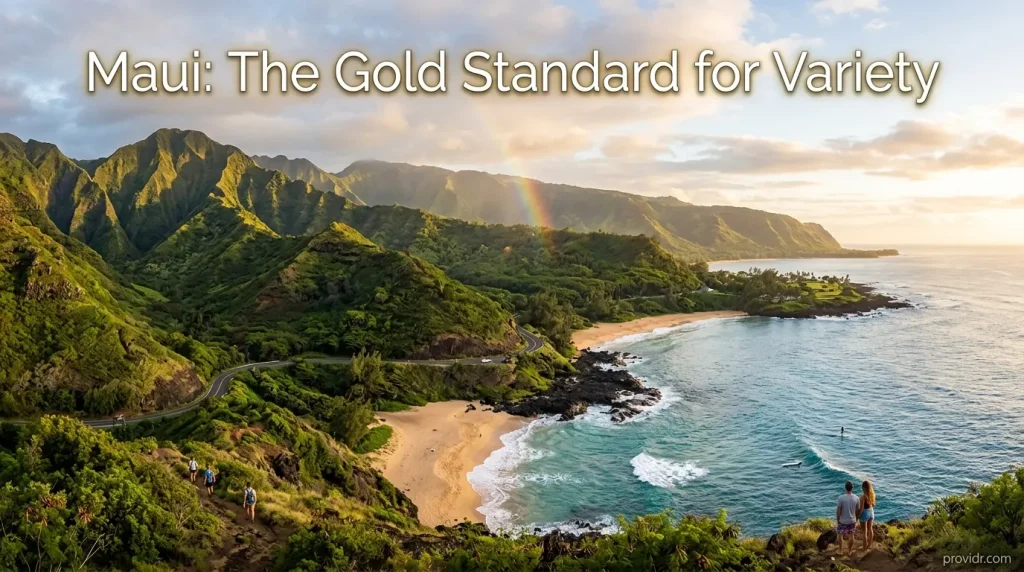
Maui offers the widest range of snorkeling in the state. You can pick a calm beginner bay or a boat trip to a volcanic crater.
Molokini Crater
Molokini is a partly submerged volcanic crater. It sits about 3 miles off Maui’s south shore. Experienced divers and photographers often call it Hawaii’s best snorkel spot.
- Why it’s worth it: Visibility often tops 100 feet. There’s no runoff or sand to cloud the water. The crater’s back wall drops off sharply. You get a shallow reef and a view into deep blue water, where reef sharks sometimes appear.
- Access: Boat only. Tours leave from Ma’alaea Harbor and Kihei. Most run as a morning snorkel-sail combo.
- Difficulty: Easy inside the crater. The back wall suits stronger swimmers.
- Best time: Book an early trip, between 7-9 AM. You’ll beat the wind and the crowds.
- Insider tip: Choose the earliest trip you can find. Trade winds pick up by late morning. They can churn the water and cancel afternoon sailings.
Read more: https://providr.com/moving-home-without-losing-your-mind/
Honolua Bay
Honolua Bay sits on Maui’s northwest coast. It’s a Marine Life Conservation District with some of Maui’s healthiest coral.
- Why it’s worth it: The coral gardens here are wide and colorful. You’ll see many tropical fish, and sometimes dolphin pods.
- Access: Shore entry. The path is rocky and can be slippery. There’s no sandy beach.
- Difficulty: Intermediate. Currents can run strong outside calm summer months. No lifeguards patrol this spot.
- Best time: Summer, from May through September, when north swells settle down.
- Insider tip: Skip this spot in winter. Large north shore swells make it unsafe, and sometimes unswimmable.
Kapalua Bay
This crescent-shaped bay stays calm nearly all year. Rock outcroppings block most swells.
- Why it’s worth it: The bay’s natural barrier keeps the water gentle, which suits nervous swimmers.
- Access: Shore entry from a sandy beach. Public parking, showers, and restrooms sit nearby.
- Difficulty: Beginner.
- Best for: Families with young kids, or anyone trying snorkeling for the first time.
Turtle Town (Maluaka Beach)
This south Maui spot near Makena lives up to its name. You’ll often see green sea turtles feeding and resting on the reef.
- Access: Shore entry from Maluaka Beach, or boat tours.
- Difficulty: Beginner to intermediate, depending on your entry point.
- Insider tip: Stay at least 10 feet from turtles. Hawaii law bans touching or crowding them, and it disrupts their natural behavior.
Oahu: Convenience Meets Quality
Best Places to Snorkel in Hawaii: The Complete Island-by-Island Guide
Oahu’s top spots sit close to Waikiki and Honolulu. That makes this island a smart pick if you don’t want to rent a car or book a boat.
Hanauma Bay Nature Preserve
This is Hawaii’s most famous snorkeling spot, and it earns that title.
- Why it’s worth it: This former volcanic crater is a protected sanctuary. Its shallow reef holds hundreds of fish species, right off the beach.
- Access: Shore entry from a sandy beach. Walk down from the visitor center, or take the shuttle for a fee.
- Difficulty: Beginner. The water stays calm and shallow, which makes this one of the safest spots for kids and first-timers.
- Facilities: Restrooms, showers, lockers, and snorkel gear rental. You’ll also watch a short safety video before you enter.
- Crowd levels: High. You need a reservation, and daily visitor counts are capped. The preserve closes Mondays and Tuesdays.
- Insider tip: Book your timed entry online at least a week ahead, especially in summer or during holidays. Arrive right at opening for the calmest water and the smallest crowds.
Shark’s Cove (North Shore)
The name sounds scary, but don’t worry. Shark’s Cove suits advanced snorkelers and underwater photographers well. Its lava rock formations, caves, and swim-throughs make for great photos.
- Access: Shore entry over rocky ground. Wear reef shoes.
- Difficulty: Intermediate to advanced. This spot only works in summer. Winter’s huge North Shore swells make it dangerous.
- Best time: May through September only.
- Insider tip: Go on a weekday morning. You’ll beat both the surf and the tour groups.
Electric Beach (Kahe Point)
This west Oahu spot sits next to a power plant. Warm water discharge draws in fish, and you’ll often spot spinner dolphins and turtles too.
- Access: Shore entry over moderately rocky ground.
- Difficulty: Intermediate.
Big Island (Hawaii Island): Best for Marine Biodiversity
The Big Island’s young, dramatic coastline builds some of the state’s most biodiverse reefs.
Kealakekua Bay
This Marine Life Conservation District doubles as a National Historic Landmark. Many call it the Big Island’s top snorkel site.
- Why it’s worth it: The water runs crystal clear. A dramatic drop-off and frequent spinner dolphin visits make this bay stand out. Coral here ranks among the island’s healthiest.
- Access: Mostly boat tours. Kayaking to the bay needs a permit and means a strenuous 4-mile round trip. A few shore-access spots exist, but they require a long, steep hike.
- Difficulty: Beginner to intermediate by boat.
- Insider tip: Pick a smaller boat operator, one that carries 6-14 passengers. You’ll get a less crowded trip.
Two Step (Honaunau Bay)
Natural lava steps make entry easy here, which gives this spot its name. It sits right next to Pu’uhonua o Honaunau National Historical Park.
- Why it’s worth it: Visibility runs high, and coral cover and fish diversity rank among the island’s best. Turtles show up often too.
- Access: Shore entry over the natural lava steps.
- Difficulty: Beginner to intermediate. No sandy beach and no lifeguard sit here, so weaker swimmers should stay cautious.
- Insider tip: Arrive early. The small parking lot fills up by mid-morning.
Kahalu’u Beach Park
This is the Big Island’s most beginner-friendly spot. A shallow bay, partly protected by reef, keeps things calm.
- Access: Easy shore entry from a sandy beach. Parking, restrooms, and lifeguards are all on-site.
- Difficulty: Beginner. Great for kids and nervous first-timers.
- Note: Volunteer “Reef Teach” guardians often stand by. Ask them questions, and they’ll help enforce turtle-viewing distance rules.
Kauai: Seasonal but Spectacular
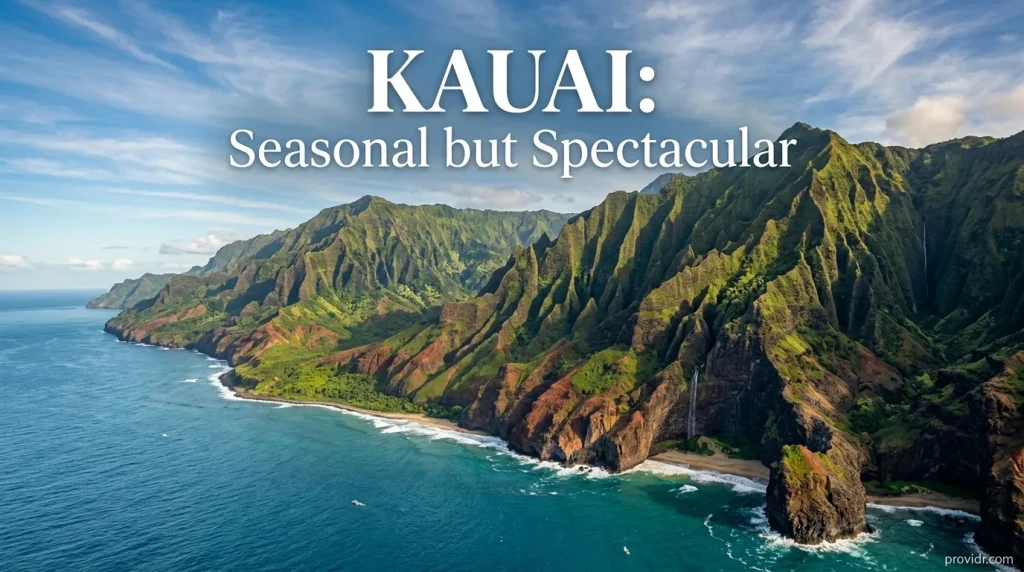
Kauai’s snorkeling depends on the weather more than any other island. Winter swells can shut down popular north shore spots, so timing matters here.
Ke’e Beach
This beach sits at the end of the road on the Na Pali Coast. A shallow, reef-protected lagoon keeps the water calm.
- Why it’s worth it: You’ll enjoy clear water, dramatic cliffs, and regular turtle sightings.
- Access: Shore entry from a sandy beach. Parking is limited, so book a shuttle or reservation during peak season.
- Difficulty: Beginner, but only safe roughly May through September.
Tunnels Reef (Makua Beach)
This is one of Kauai’s most photographed reefs. Lava tube formations create tunnel-like swim-throughs.
- Access: Shore entry, with a moderate walk over sand and rock.
- Difficulty: Intermediate to advanced. Strong currents are common outside summer.
Poipu Beach Park
This south shore spot gives Kauai its most reliable, year-round, family-friendly option.
- Access: Easy shore entry. Full facilities and lifeguards are on duty.
- Difficulty: Beginner.
Choosing a Spot by Travel Style
Beginners and nervous swimmers: Try Hanauma Bay (Oahu), Kapalua Bay (Maui), Kahalu’u Beach Park (Big Island), or Poipu Beach Park (Kauai). Each offers calm, shallow, reef-protected water, along with lifeguards or easy shore access.
Families with kids: Pick from the same list above. Look for facilities like restrooms, showers, parking, and lifeguards.
Couples and honeymooners: Book a Molokini Crater boat tour, or a Kealakekua Bay dolphin-and-snorkel cruise. Both make for a memorable half-day trip, often with breakfast or lunch on board.
Underwater photographers: Head to Shark’s Cove or Two Step. Both offer dramatic lava rock, swim-throughs, and dense fish life that photograph beautifully in good light.
Experienced snorkelers wanting a challenge: Try Honolua Bay, Tunnels Reef, or the back wall of Molokini. All three offer deeper water, occasional currents, and a chance to see reef sharks.
Budget travelers: Stick to shore-access spots like Hanauma Bay, Kapalua Bay, Kahalu’u, or Ke’e Beach. You’ll pay nothing beyond parking or an entry fee. Boat tours to Molokini or Kealakekua Bay run $100-180 per person.
Best Time of Year to Snorkel in Hawaii
| Season | Conditions | Best Islands/Spots |
| Summer (May-Sept) | Calmest overall water, especially on north-facing shores | Honolua Bay, Shark’s Cove, Ke’e Beach, Tunnels Reef |
| Winter (Oct-April) | Big north shore swells; south-facing shores stay calmer | Molokini, Hanauma Bay, Kealakekua Bay, Poipu Beach |
| Year-round safe bets | Protected bays with reef or crater barriers | Hanauma Bay, Kapalua Bay, Kahalu’u Beach Park, Molokini |
Here’s a simple rule to remember. North-facing and west-facing shores work best in summer. South-facing shores stay calmer in winter. Always check the local surf report the morning of your snorkel. Conditions can change fast.
What to Pack for Snorkeling in Hawaii
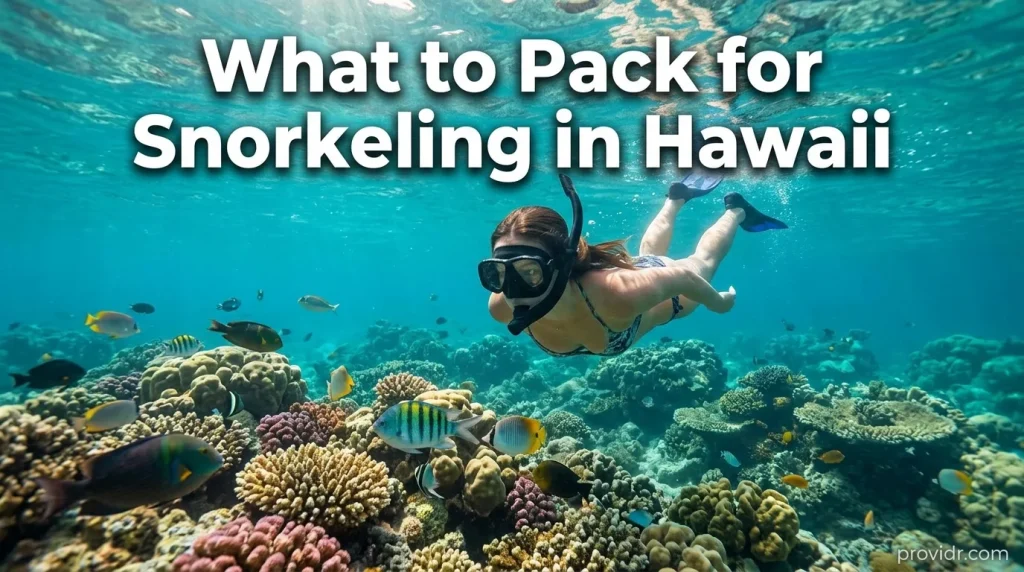
- Reef-safe sunscreen. Hawaii bans the sale of sunscreens with oxybenzone and octinoxate. Both chemicals harm coral. Look for mineral-based formulas with zinc oxide or titanium dioxide instead.
- A rash guard or thin wetsuit top. This protects your back from sunburn, which is the spot people forget most. It also adds light warmth.
- Reef shoes or water socks. These are a must for lava rock entries like Shark’s Cove, Two Step, and Honolua Bay.
- Your own mask and snorkel. A well-fitting mask stops the leaks and fog that ruin many rental gear experiences.
- A dry bag. Use it to protect your phone, keys, and car essentials during a shore entry.
- An underwater camera or phone housing. Most of these sites run shallow enough for great photos, even with basic gear.
Common Mistakes to Avoid
- Touching or chasing sea turtles. Hawaii law bans touching, feeding, or coming within 10 feet of a honu. Harassed turtles often leave the area, which ruins the experience for everyone.
- Snorkeling alone in remote spots. Always bring a buddy, especially at shore-access sites without lifeguards.
- Ignoring posted ocean safety flags. Yellow and red flags mark dangerous conditions. Take them seriously, even if the water looks calm from shore.
- Standing on coral. Coral is alive, and it takes decades to grow back. Keep your distance, and use reef-safe fin kicks.
- Snorkeling right after a big rainstorm. Runoff clouds the water. It can also carry bacteria, especially near river mouths and harbors.
- Skipping the swim test. If you’re new to snorkeling, practice first in calm, shallow water, like a hotel pool or a beginner bay. Save current-prone sites for later.
Safety Tips Every Snorkeler Should Know
- Check surf and wind reports before you head out. NOAA and local lifeguard accounts post daily conditions.
- Wear a bright rash guard. It helps boats and other swimmers spot you.
- Use a snorkel vest or pool noodle if you’re not a strong swimmer. Extra flotation is nothing to feel bad about.
- Learn the signs of a rip current: a channel of choppy, discolored water moving away from shore. Swim parallel to shore to escape one. Don’t fight it head-on.
- Stay within your comfort zone. Some of Hawaii’s most scenic spots, like Honolua Bay and Tunnels Reef, turn genuinely unsafe for weak swimmers in winter.
FAQs
What is the single best place to snorkel in Hawaii? Molokini Crater on Maui usually takes the top spot. It offers great visibility, sanctuary protection, and a healthy reef. Prefer shore access instead of a boat? Choose Hanauma Bay on Oahu.
Which island has the best snorkeling overall? Maui offers the best mix of variety, access, and marine life. You’ll find everything from beginner bays to boat trips out to a volcanic crater.
Do I need a boat to snorkel in Hawaii? No. Many top spots sit right off the shore, including Hanauma Bay, Kapalua Bay, Two Step, and Kahalu’u Beach Park. Boats work best for Molokini and Kealakekua Bay, since both sit offshore or are hard to reach on foot.
When is the best time of year to snorkel in Hawaii? Summer, from May through September, suits north and west-facing shores best. Winter, from October through April, favors south-facing shores. Protected spots like Hanauma Bay and Molokini stay reliable all year.
Is it safe to snorkel with sea turtles? Yes, as long as you keep a respectful distance of at least 10 feet. Don’t touch or chase them. Hawaii law bans harassing sea turtles, and breaking that law can bring fines.
Do I need to be a strong swimmer to snorkel in Hawaii? No, but you should feel comfortable in water over your head. Beginner spots like Hanauma Bay, Kapalua Bay, and Kahalu’u Beach Park offer calm, shallow water that suits average swimmers and older kids.
What should I bring snorkeling in Hawaii? Pack reef-safe sunscreen, a rash guard, and reef shoes for rocky entries. Bring your own mask and snorkel if you can, plus a dry bag for valuables.
Can beginners see coral reefs and fish without a boat tour? Yes. Hanauma Bay, Kapalua Bay, and Kahalu’u Beach Park all offer great reef and fish viewing right from shore.
Final Recommendations
Only have time for one snorkel trip in Hawaii? Book a morning boat trip to Molokini Crater. It offers the best visibility and marine life diversity in the state. Want to skip the boat? Head to Hanauma Bay on Oahu instead. It delivers nearly as much reef and fish life right from the sand, plus it suits beginners and families well.
Heading to the Big Island? Don’t miss Two Step, or book a dolphin-focused tour of Kealakekua Bay. Planning a Kauai trip? Stick to summer months for safe access to Ke’e Beach and Tunnels Reef.
No matter which island you pick, the formula for a great Hawaii snorkeling trip stays the same. Check conditions before you go. Respect the marine life and the reef. Use reef-safe sunscreen. And match each site to your real swimming ability, not just its photos online. Follow these steps, and you’ll see why Hawaii remains one of the best snorkeling destinations in the world.