
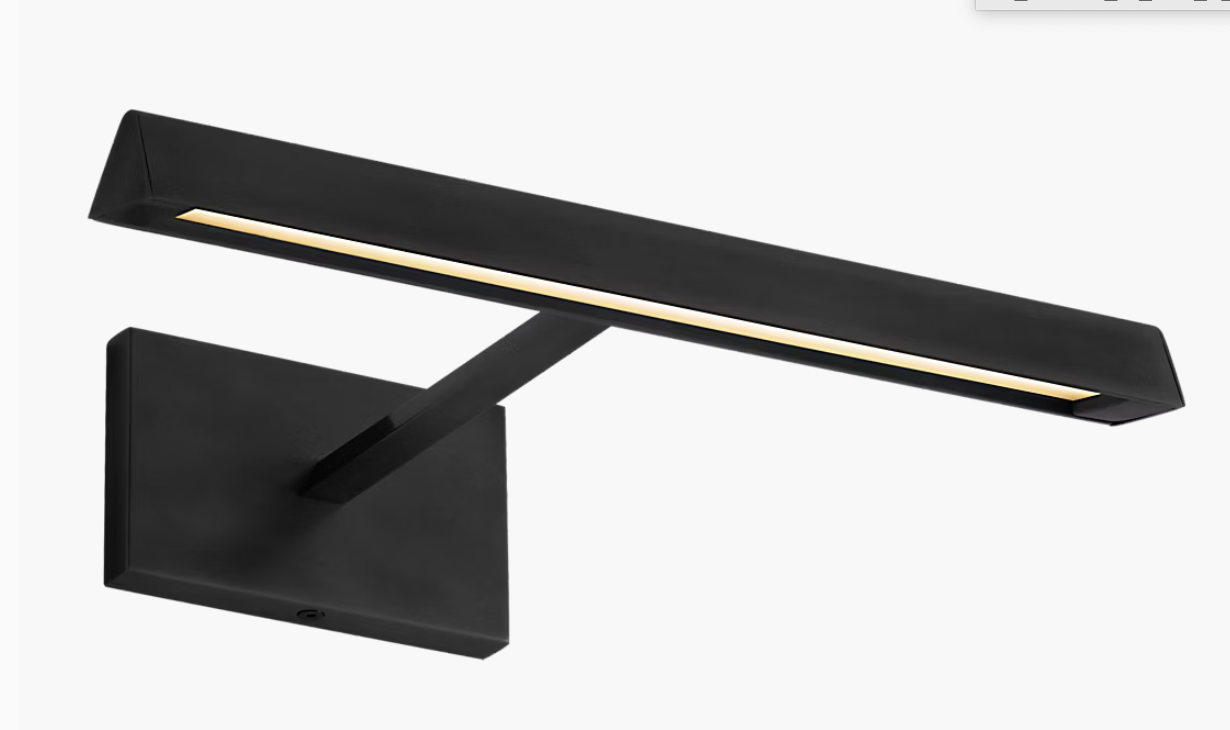
How to Place Picture Lights on the Wall for the Best Effects
Lighting can completely change how an artwork feels inside a space. A well-placed picture light highlights details, enhances colors, and adds depth to a wall. It creates a focused glow that draws attention without overpowering the rest of the room. When done right, it brings balance between design and function.
Many homeowners explore options like Visual Comfort picture lights to achieve a refined and polished display. The right placement plays a key role in getting the desired result. This article explains how to position picture lights correctly, choose the right size, and create a visually pleasing arrangement that feels natural and well thought out.
Finding the Ideal Height for Placement
The height of a picture light decides how evenly the artwork is illuminated. A light placed too high can create shadows, while a low position may produce glare. A balanced height ensures the surface receives soft and even brightness across its entire area.
Most professionals recommend placing the fixture slightly above the frame. A common guideline is to keep the light around 6 to 8 inches above the top edge. This distance allows the beam to spread smoothly without creating harsh contrasts. It also helps maintain a clean and structured look on the wall.
Choosing the Right Size for the Artwork
The size of the light should match the dimensions of the artwork. A small fixture on a large piece may fail to cover the surface properly. On the other hand, a large fixture on a small frame can look out of place.
A simple approach is to choose a light that spans about half to two-thirds of the frame width. This proportion ensures balanced coverage while maintaining visual harmony. When the size feels right, the entire display appears more intentional and complete.
Positioning for Even Light Distribution
The angle of the light affects how the artwork appears under illumination. A well-placed fixture spreads light evenly, without creating bright spots or dark patches. This helps maintain the natural look of the piece.
Placing the light at a slight downward angle allows it to cover the surface properly. The goal is to direct light across the artwork without pointing it directly at eye level. This approach reduces glare and keeps the viewing experience comfortable.
Wall Type and Surface Considerations
Different wall materials can affect how light behaves in a space. A matte surface absorbs light, while a glossy surface reflects it. These factors influence how bright or soft the display looks.
For textured or darker walls, a slightly stronger light output can help highlight details. For lighter or reflective surfaces, a softer beam works better. Adjusting the placement based on wall type ensures the final effect feels balanced and visually pleasing.
Creating Balance with Multiple Frames
When several frames share the same wall, the placement of picture lights requires careful planning. Each piece should receive equal attention without overpowering the overall layout. Consistency plays a key role in achieving a clean look.
Spacing between fixtures should remain even, and their height should align across the display. This creates a sense of order and symmetry. A well-arranged setup allows each piece to stand out while still feeling connected to the rest of the collection.
Matching Style with Interior Design
Picture lights should complement the overall style of the room. A modern space may benefit from clean lines and minimal designs, while a classic setting may suit more detailed fixtures. The finish and shape should blend with other elements in the room.
Choosing the right style creates a seamless connection between the artwork and its surroundings. Many homeowners consider options like Visual Comfort picture lights when aiming for a refined look that fits well within different interior styles. This thoughtful selection enhances both the artwork and the room as a whole.
Key Placement Tips for Better Results
- Keep the light centered above the artwork to maintain alignment
- Maintain equal spacing when working with multiple frames
- Avoid placing lights too close together to prevent harsh brightness
- Ensure the beam covers the entire surface evenly
- Match the fixture finish with the surrounding decor
These simple adjustments can make a noticeable difference in how the artwork appears on the wall.
A well-placed picture light does more than brighten a frame. It enhances the visual impact of the artwork and adds depth to the wall. Careful placement, proper sizing, and balanced positioning all contribute to a polished result. When each detail is considered, the final display feels natural and visually satisfying, making the artwork stand out in a subtle yet effective way.