
9 Tips On How To Spot Fake Gadgets
Cell phones have evolved quite a lot since they were initially created. The transition included going from large walkie-talkie-sized phones that allowed only making and receiving calls to flip phones sending messages and snapping pictures to the smartphone age, where cell phones are handheld computers.
We use our cell phones to do a variety of things these days, from:
- Looking up a recipe
- Getting directions
- Video calling
All of these features can make cell phones pretty expensive, and people tend to pick a favorite brand. Whether it be an iPhone, a Microsoft phone, or a Samsung—each one is handy and unique, and there are several apps and functions that make these smartphones desirable.
Because of their demand, non-brand manufacturers attempt to cash in on the smartphone craze by creating and selling knock-off products. These gadgets will be designed to look exactly like your favorite Apple or Samsung product, but they might be completely fake!
Here are 9 tips on how to spot a fake gadget and avoid getting tricked:
1. Packaging: One thing you may not pay much attention to is the packaging of your products. If you’re ordering online, it’s important to pay attention to the details and check for any signs of neglect. The real product will be in pristine condition without any flaws.
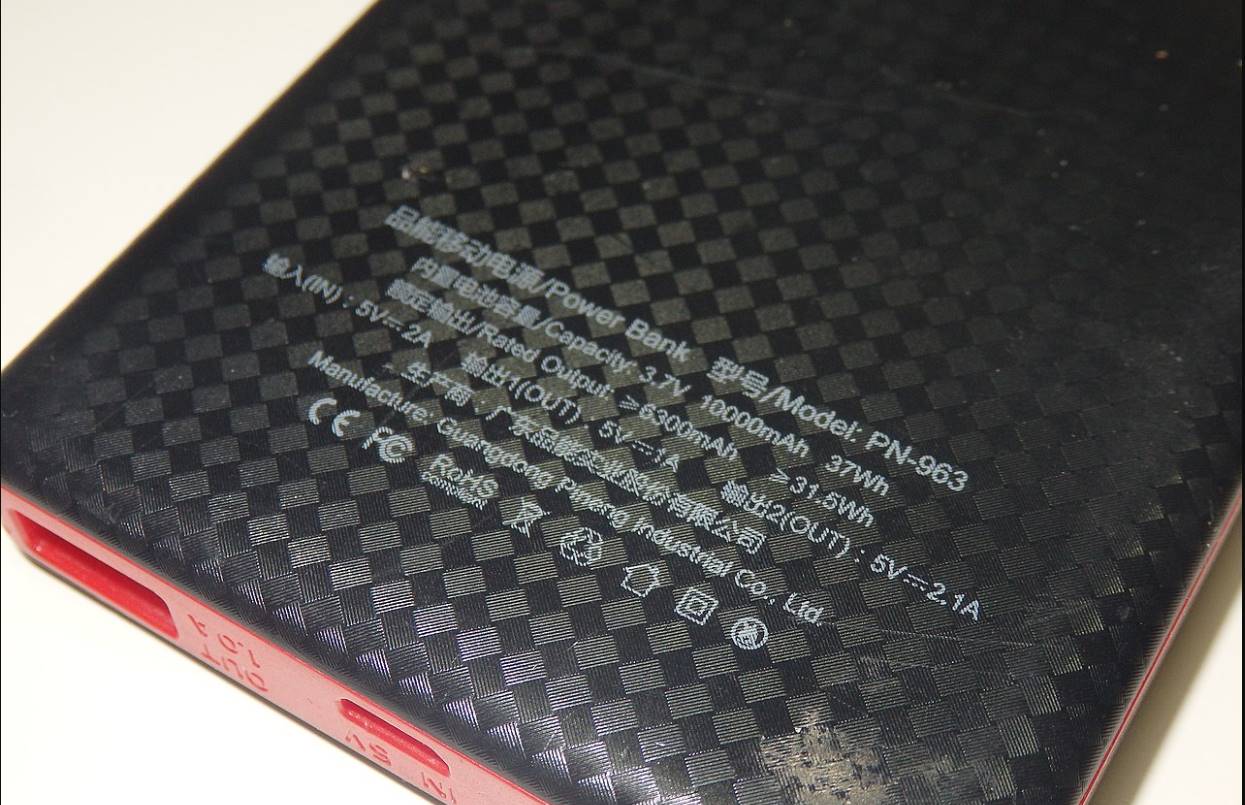
Fonts on the back of the product are also something to look out for. Look for legibility and consistency. You should also double-check to make sure nothing is loose or tampered with.
2. Unboxing: Fake products may be stored in boxes that appear very much like the original. One thing to check for is the text written in a language that is foreign to the country of purchase.
One clue that a product—especially an iPhone—could be fake is if it comes in a plastic casing. iPhones never come this way, so it would be a clear sign that this product has been tampered with and isn’t the real deal.
3. User Manual: The user manual is a good way to get proof that the gadget you have is legitimate. It should be written in the language of the country in which it was purchased. If it doesn’t, then you could be dealing with a stolen device or a knock-off product. The instruction manual is pretty much your gadget’s ticket to authenticity.
4. Product Material: Top brands are known for their attention to detail, and the products are usually smooth and flawless. It’s a good idea to pay attention to things like this when ordering products online or buying second-hand.
Ridges and seams can be a sign that your product is not actually a brand name. A fake product may have a matte surface compared to the smooth, shiny surface of brand-name items.
5. Fonts: You may not have realized this, but product names are typed in very specific font styles and colors. If anything is different about the brand name or logo, you might be dealing with a fake.
Small changes like coloring and sizing should